Satellites alone are not enough: the ‘field verification’ dilemma facing agricultural technology
Fundamental limitations of supply chain management that remain unresolved even in the golden age of earth observation technology
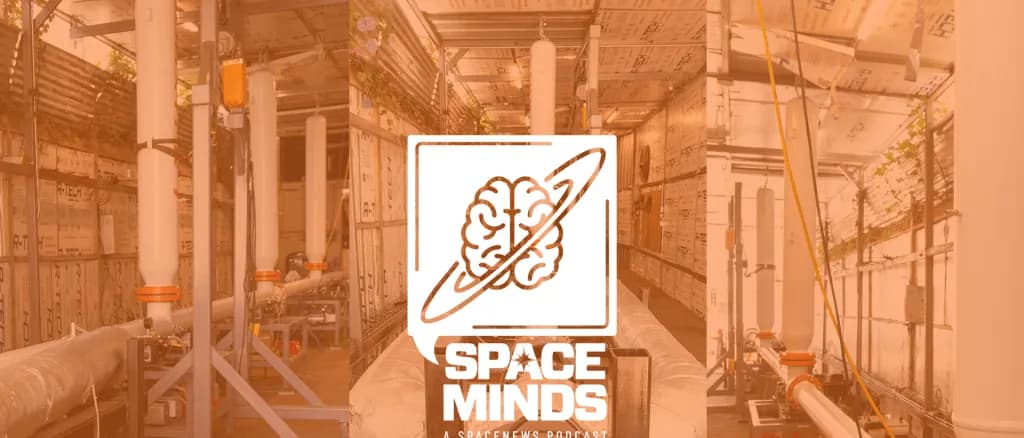
- •Precision agriculture is growing rapidly due to falling satellite technology costs and AI advancements.
- •However, there are limits to supply chain management using only satellite data without on-site verification.
- •A hybrid approach that integrates drones, sensors, and field data is emerging as a solution.
Golden age of satellite technology, but gaps exist
The field of Earth Observation is experiencing unprecedented growth. Satellite hardware and launch costs have fallen dramatically, and advances in artificial intelligence (AI) and data analytics are revolutionizing precision agriculture and automated supply chain monitoring.
Crop tracking and supply chain management using satellite technology is seen as an attractive solution for agricultural companies, investors and regulators alike. However, industry experts point out that there are fundamental problems that cannot be solved with satellite data alone. It is the absence of ‘ground truth’, or on-site verification.
Why satellites alone are not enough
Satellite images can quickly scan a large area, but they have limitations in accurately understanding the quality of actual crops, the status of pests and diseases, and even minute changes in the soil. The data provided by satellites is only a ‘view from the sky’ and cannot completely replace the complex reality that occurs on land.
In the field of agricultural technology (AgTech), this ‘ground truth gap’ directly leads to reliability issues in supply chain management. Even if satellite data shows good crops, unexpected losses may occur in the actual field. Conversely, local problems that are not captured by satellites may affect the overall harvest.
Evolutionary process of precision agriculture technology
The concept of precision agriculture began with the commercialization of GPS technology in the 1990s. In the 2010s, the advent of drones and low-cost satellites greatly improved accessibility to agricultural monitoring, and in the 2020s, real-time crop prediction became possible with the combination of AI analysis technology.
However, despite all these technological advancements, integration between field data collection and satellite data remains a challenge. The need for a ‘hybrid approach’ that combines sensor technology, IoT (Internet of Things) devices, and field sampling with satellite data has been consistently raised.
Future outlook [AI analysis]
The agricultural technology field is likely to establish a multi-layered data collection system to complement the limitations of satellite data. Platforms that integrate data from drones, ground sensors, and field personnel with satellite information are expected to become the core of competitiveness.
Investors and agricultural companies need to focus on solutions with field verification capabilities, rather than simply relying on satellite technology. Regulators are also likely to include 'ground truth' elements when establishing supply chain transparency standards.
Ultimately, the complete digitalization of the agricultural supply chain depends on technological convergence that connects 'sky and earth'. Satellites are powerful tools, but the industry is beginning to recognize that they alone cannot fully capture the complex reality of agriculture.
댓글 (3)
기사 잘 봤습니다. 다른 시각의 분석도 읽어보고 싶네요.
alone에 대해 더 알고 싶어졌습니다. 후속 기사 부탁드립니다.
흥미로운 주제입니다. 주변에도 공유해야겠어요.
More in Life

The identity of the 'tentacled alien creature' revealed by a NASA astronaut was a potato

Dogs already existed alongside humans 16,000 years ago... Oldest dog DNA discovered

American man sets Guinness record for visiting 28 Michelin restaurants in 24 hours

Dakota County, USA, holds donation event where mayors are locked in 'escape room'

‘Chesney’, the escaped kangaroo, returns safely after a three-day chase.
A white-haired son taking care of his elderly mother, a ‘non-care’ family story shared by four generations.
Latest News

Oh Se-hoon: "I Would Choose 5th Term as Seoul Mayor Over Presidency"
Seoul Mayor Oh Se-hoon states he would choose 5th mayoral term over presidency

BTS' 'Arirang' Tops Billboard 200 Chart—Seventh No. 1 Album
BTS's new song 'Arirang' achieves No. 1 on U.S. Billboard 200 chart

Three Arrested in Paris After Attempted Bomb Attack Near Bank of America
Three suspects arrested after attempted bomb attack near Bank of America branch in Paris

Three Journalists Killed in Israeli Strike on Southern Lebanon, Hundreds Mourn in Beirut
Three journalists killed in Israeli targeted attack on southern Lebanon
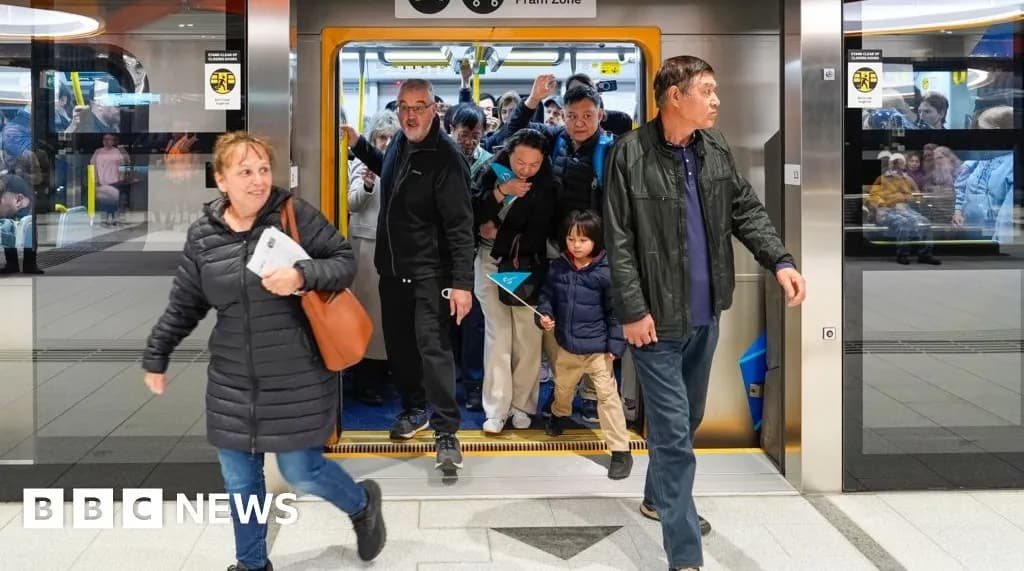
Two Australian States Offer Free Public Transport as Iran War Drives Up Fuel Prices
Victoria and Tasmania implement free public transport in response to fuel price surge from Iran war fallout
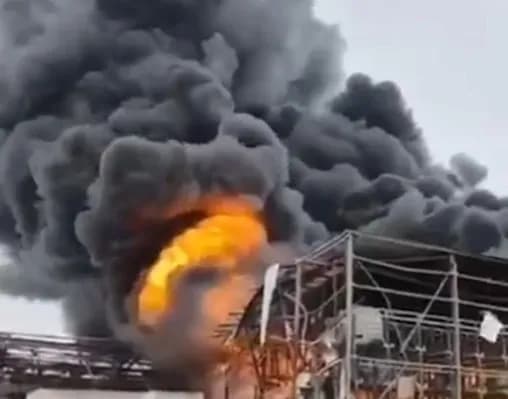
Iranian Missile Strikes Israeli Industrial Zone—Major Fire and Hazardous Material Leak
Iranian ballistic missile directly hits southern Israeli industrial zone, causing major fire
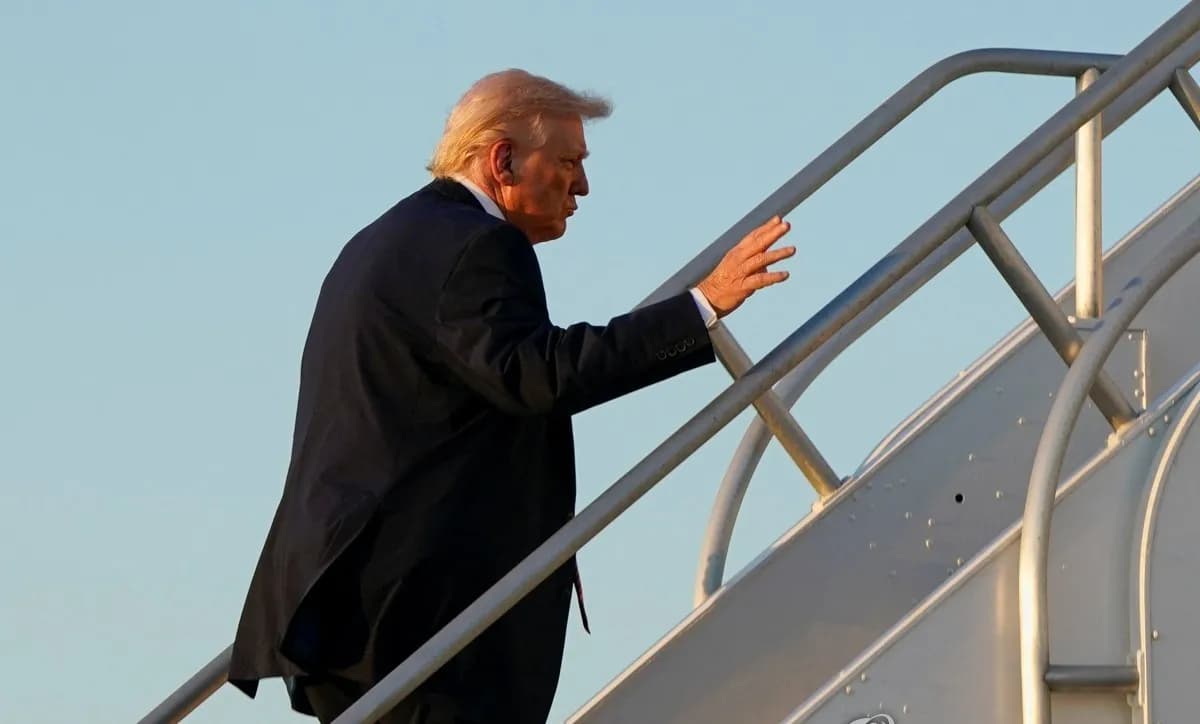
Trump Shares Pastor's Letter Amid Month-Long Iran War: "Blessed Are the Peacemakers"
President Trump shares pastor's letter on one-month anniversary of Iran war

African Football Chief Resigns Amid Morocco-Senegal Final Controversy
CAF Secretary General Veron Mosengo-Omba resigns amid Morocco-Senegal final controversy