Three Years of War Have Made Sudan the World's Largest Humanitarian Crisis
34 million need aid, 37% of health facilities non-functional — WHO says 'peace is the best medicine'
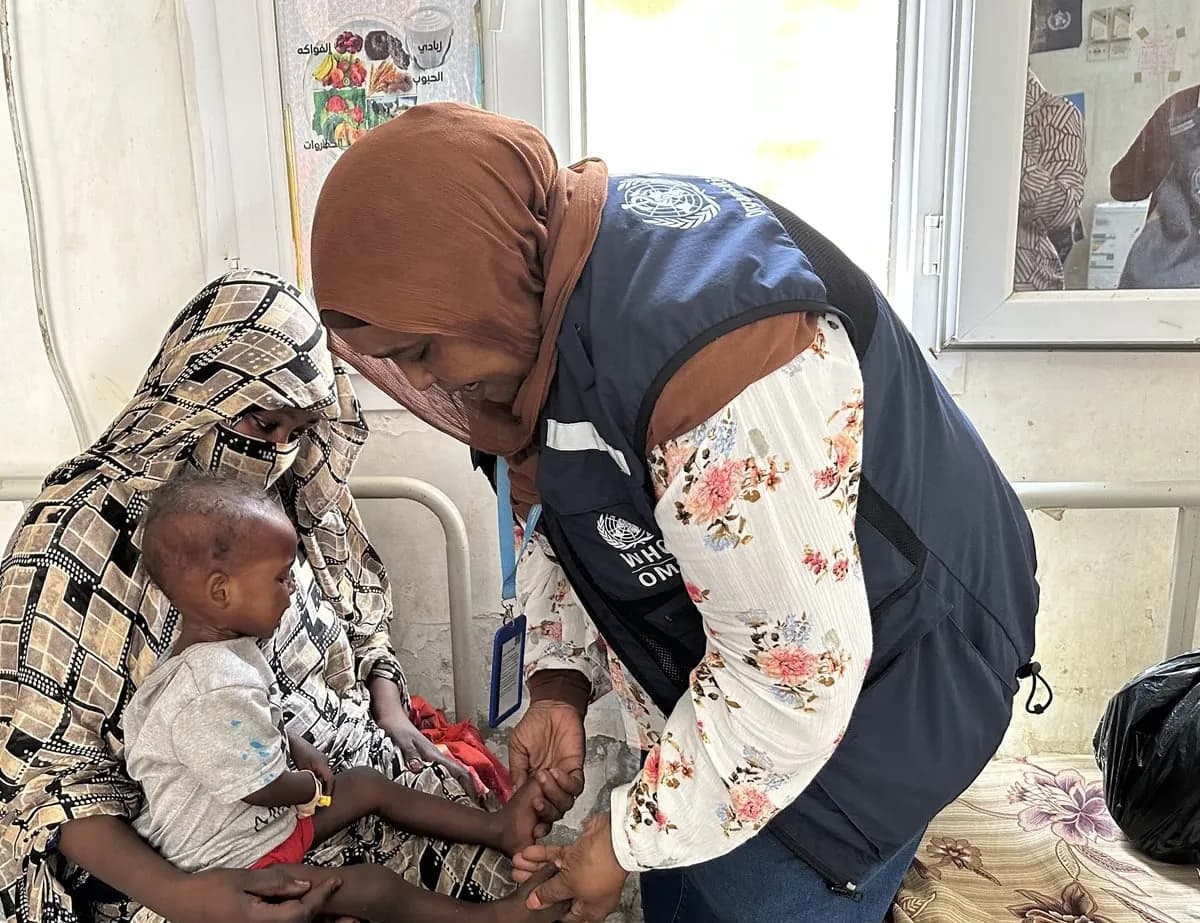
- •Three years into civil war, Sudan has become the world's largest humanitarian crisis with 34 million needing aid.
- •37% of health facilities are non-functional and 217 verified attacks have killed over 2,000 people.
- •WHO warns the crisis cannot be resolved without peace, urging urgent international action and funding.
Sudan After Three Years of War
Three years since the outbreak of civil war, Sudan has become the world's largest humanitarian crisis. According to the World Health Organization (WHO), 34 million people are in need of humanitarian assistance, and 21 million of them lack access to even basic health services. Attacks on medical facilities continue unabated, disease outbreaks and hunger are spreading simultaneously, and international funding remains critically insufficient.
Why This Crisis Is Uniquely Severe
Beyond the direct damage of war, Sudan's crisis represents the collapse of the healthcare system itself. Across all 18 states, 37% of health facilities are non-functional. WHO has verified 217 attacks on health care since April 15, 2023, resulting in 2,052 deaths and 810 injuries.
The attack on El Daein Teaching Hospital in East Darfur stands as a symbol of the crisis. The hospital was a critical referral center serving hundreds of thousands of patients. The recent attack killed at least 64 people, including children and health workers, and rendered the hospital completely non-functional.
An estimated 4 million people are acutely malnourished as of 2026. Malnutrition weakens immunity and increases vulnerability to infectious disease. Malaria, dengue, measles, polio (cVDPV2), hepatitis E, meningitis, and diphtheria are simultaneously reported from multiple states including Al Jazirah, Darfur, Gedaref, Khartoum, Kordofan, River Nile, and White Nile.
How Did It Come to This: A Three-Year Timeline
Sudan's civil war erupted in April 2023 from a power struggle between the Sudanese Armed Forces (SAF) and the Rapid Support Forces (RSF). What began as urban combat in Khartoum spread to Darfur and Kordofan, causing massive civilian casualties.
Even before the conflict, Sudan's healthcare infrastructure was fragile—long weakened by economic sanctions and resource scarcity. War layered direct attacks and mass displacement of medical personnel onto this already brittle foundation, effectively collapsing the system.
In Greater Darfur and Kordofan, fighting has forced mass displacement and severely restricted the movement of humanitarian supplies. While conditions have marginally improved in some accessible areas, the crisis is deepening in active conflict zones.
Outlook [AI Analysis]
WHO Director-General Dr. Tedros Adhanom Ghebreyesus stated bluntly: "The best medicine is peace." Yet international experts broadly agree that a short-term ceasefire or end to the war is unlikely.
Further collapse of medical infrastructure is likely to trigger large-scale epidemic outbreaks. Polio and measles, in particular, pose acute risks to children as immunization systems have broken down.
The funding gap in international response remains a fundamental obstacle. WHO continues to support supply chains for essential medicines, disease surveillance, health worker training, and early health system recovery—but without secured financing, these efforts will face hard limits.
For South Korea, the Sudan crisis carries indirect but real implications. As a non-permanent member of the UN Security Council, South Korea is positioned to actively participate in international discussions on resolving humanitarian crises. The potential to expand aid through Korea's development cooperation agency also warrants serious consideration. A prolonged crisis is likely to intensify refugee flows into neighboring countries and regional instability—factors that could indirectly affect South Korea's energy and trade interests in the Middle East and Africa.
댓글 (21)
Three로 인한 연쇄 효과가 다른 분야에도 미칠 것 같습니다. 유익한 기사입니다.
Years 관련 수치가 이렇게 심각한 줄 처음 알았습니다. 유익한 기사입니다.
장기화되면 어떻게 될지 걱정입니다. of의 근본 원인을 분석하는 기사도 기대합니다. 유익한 기사입니다.
우려가 큽니다. 수단 위기가 오히려 구조 전환의 계기가 되길 바랍니다.
인도주의위기로 인한 연쇄 효과가 다른 분야에도 미칠 것 같습니다. 유익한 기사입니다.
Three 때문에 가계부를 다시 들여다보게 됐습니다.
Years이 소상공인에게 미치는 영향이 클 것 같습니다. 함께 극복해야 할 문제입니다.
of에 대한 정부 대응 속도가 아쉽습니다. 전문가 의견이 더 필요합니다.
핵심만 잘 정리해주시네요.
기사 퀄리티가 좋습니다.
Three 기사를 보니 해외와 비교해도 심각한 수준입니다. 장기적 시각이 필요합니다.
장기화되면 어떻게 될지 걱정입니다. Years 때문에 가계부를 다시 들여다보게 됐습니다.
of 때문에 가계부를 다시 들여다보게 됐습니다.
수단 관련 수치가 이렇게 심각한 줄 처음 알았습니다.
인도주의위기 관련 전문가 분석이 더 필요합니다.
Three 추이를 계속 지켜봐야 할 것 같습니다. 좀 더 빨라야 합니다.
Years 때문에 가계부를 다시 들여다보게 됐습니다.
of 영향으로 주변에서도 어려움을 겪는 분이 늘고 있습니다.
수단이 이 지경까지 올 줄은 몰랐습니다.
좋은 기사 감사합니다.
현실이 녹록지 않네요. Three 영향으로 주변에서도 어려움을 겪는 분이 늘고 있습니다.
More in Global

Latest News
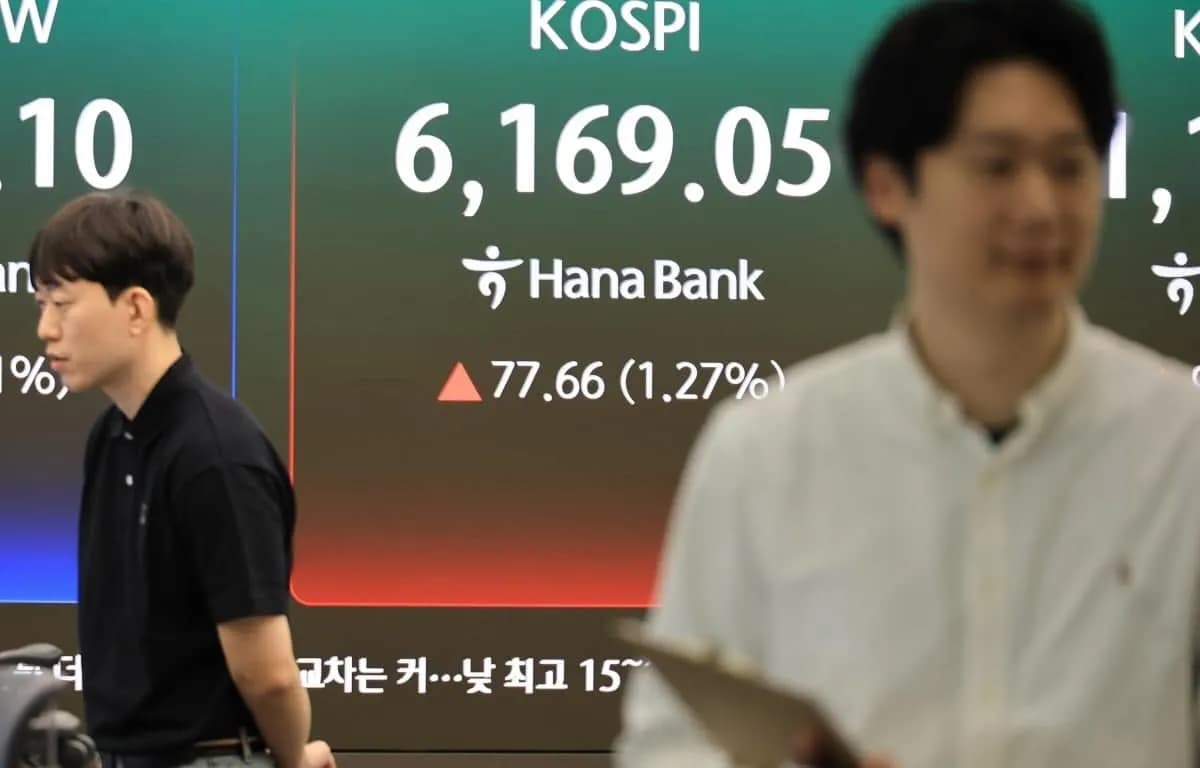
코스피, 33거래일 만에 6200선 회복…미·이란 종전 기대감
코스피가 4월 16일 6226.05에 마감하며 33거래일 만에 6200선을 회복했다.
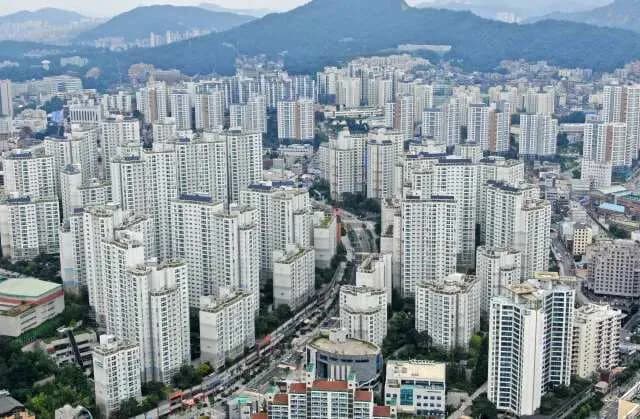
서울 아파트값 62주 연속 상승, 강남은 8주째 역행
서울 아파트값은 62주 연속 올랐지만 강남3구는 8주째 내림세를 보였다.
구윤철 부총리, 보유세·증권거래세 검토 공식화…세제 개편 신호탄
구윤철 부총리가 부동산 보유세·증권거래세 검토를 공식화했다.
외국인, 중국 채권 11개월 연속 이탈…성과와 자금 흐름의 역설
3월 외국인의 중국 채권 보유액이 3조 1,900억 위안으로 11개월 연속 감소했다.
정부, 중동 리스크 대응 건설업계에 6천억 금융 지원 시행
국토부, 중동 리스크 대응 건설업계에 6천억 금융 지원 패키지 시행 발표.
원화 수출 결제 비중 3.4%, 33년 만에 사상 최고
2025년 원화 수출 결제 비중 3.4%로 1992년 통계 작성 이래 사상 최고치 기록
미-이란 협상 기대감에 닛케이 사상 최고치, 아시아 증시 동반 상승
닛케이 225 지수가 장중 사상 최고치를 돌파하며 1.6% 이상 상승했다.
중국 증시, 이란 전쟁 충격 전량 회복…헤지펀드는 3년래 최악 손실
중국 CSI 300 지수가 이란 전쟁 낙폭을 전량 회복하며 아시아 최빠른 반등을 기록했다.