The Future of Construction Sites: Led by Robots and AI
Major Construction Companies Accelerate Adoption of Smart Construction Technology to Address Labor Shortages, Aging Workforce, and Safety Issues
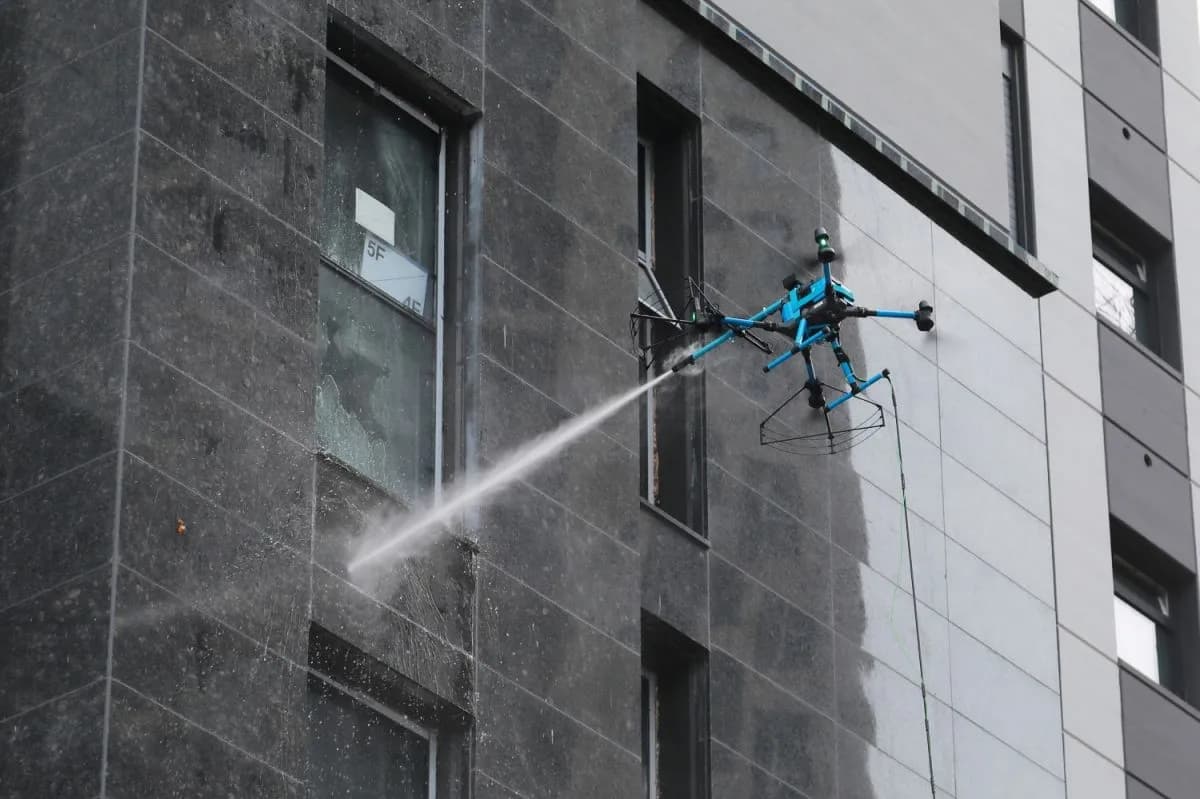
- •Major construction companies including Samsung C&T, Hyundai E&C, and POSCO E&C are successively introducing cleaning robots, water-spraying drones, and AI crack detection technology to construction sites.
- •AI and robot-based site automation has emerged as an essential task to address aging skilled workforce and industrial accident issues.
- •Daewoo E&C stated that 'sites centered on bricks and cement are transforming into high-tech sites where data, algorithms, and robotic technology are combined.'
Robots That Clean, Patrol, and Detect Cracks
After workers leave the construction site, robots autonomously clean the floors. In hazardous areas like tunnel blasting zones, quadruped robots patrol, while drones fly along building exteriors detecting hairline cracks as small as 0.3mm.
It sounds like a scene from a movie, but it's reality. On September 30th, Samsung C&T unveiled five types of housing construction robots (autonomous forklifts, material transport robots, cleaning robots, water-spraying drones, and wearable robots) at the Banpo 3 District reconstruction site in Seocho-gu, Seoul. These robots aim to simultaneously improve work efficiency and safety.
Robots Handle Dangerous Work, Humans Step Back
Water-spraying drones enable workers to spray water during demolition work without accessing dangerous high-rise areas, significantly reducing the risk of fall accidents. Parking lot cleaning robots autonomously remove dust at night and have been operating at Samsung C&T residential sites since early this year.
Hyundai E&C has deployed 'Spot,' an AI-equipped quadruped robot, to monitor blind spots inaccessible to humans in real-time and detect and warn about entry into hazardous zones. POSCO E&C uses 'FORCE Vision,' an AI-based drone crack management solution, to detect exterior wall cracks down to 0.3mm.
Why Construction Sites Are Focusing on Robots
The reason major construction companies are accelerating the adoption of smart construction technology is clear: skilled labor shortages, aging workforce, and persistent industrial accidents.
The Construction & Economy Research Institute of Korea diagnosed in its report 'Changes and Prospects for the Future Construction Industry' that "due to the aging of skilled workers, labor supply-demand imbalances within the industry are intensifying, and the structure of relying on foreign workers for insufficient labor is becoming entrenched," adding that "long-term labor stability and industrial competitiveness are under threat."
Due to the labor-intensive nature of the industry, skilled workers are essential, but new workforce influx is declining while pressure to eliminate industrial accidents is intensifying. Since there are limits to what regulations and budgets alone can achieve, site automation through AI and robots has emerged as an essential task.
Paradigm Shift in Construction Sites
This change was prominent at the '2025 Smart Construction Forum' held by Daewoo E&C at its Seoul Jung-gu headquarters on September 30th. Kim Bo-hyun, CEO of Daewoo E&C, stated that "AI and digital transformation (DX) are not distant futures but tremendous forces changing the foundation of our industry," adding that "sites centered on bricks and cement are transforming into high-tech sites where data, algorithms, and robotic technology are combined."
At this event, Daewoo E&C introduced Building Information Modeling (BIM), AI utilization directions, drones and spatial information, Off-Site Construction (OSC), and mid- to long-term strategies for DX and smart construction.
Comparison of Traditional vs. Smart Construction Sites
| Category | Traditional Construction Site | Smart Construction Site |
|---|---|---|
| Hazardous Work | Direct worker deployment | Reduced accident risk through robot/drone deployment |
| Quality Control | Visual inspection-centered | AI drones detect cracks down to 0.3mm |
| Cleaning/Management | Manual labor required | Autonomous cleaning robots work automatically at night |
| Monitoring | Difficult to manage blind spots | Quadruped robots patrol in real-time |
| Labor Dependency | High | Reduced through automation and unmanned systems |
Future Outlook for Construction Sites [AI Analysis]
The construction industry's adoption of smart technology is not merely a trend but a survival strategy. As fundamental changes in workforce structure (aging, decreased new entrants) coincide with strengthened safety regulations, automation and unmanned systems have become necessities rather than options.
Future construction sites are likely to see data-driven decision-making, AI quality control, and robot collaboration become routine. Particularly, if integrated design-construction platforms combining BIM and AI spread, both site efficiency and safety are expected to improve simultaneously.
However, challenges remain, including initial adoption costs, technology standardization, and retraining of site workers. A construction industry official explained, "Changes in working methods are necessary. One of several approaches is site automation using AI and robots."
The future of construction sites has already begun. The industry once represented by bricks and cement stands at an inflection point of being reorganized by data and algorithms.
댓글 (3)
흥미로운 주제입니다. 주변에도 공유해야겠어요.
기사 잘 봤습니다. 다른 시각의 분석도 읽어보고 싶네요.
of 관련 기사 잘 읽었습니다. 유익한 정보네요.
More in AI & Tech

Reddit Considers Face ID to Block Bots While Maintaining Anonymity
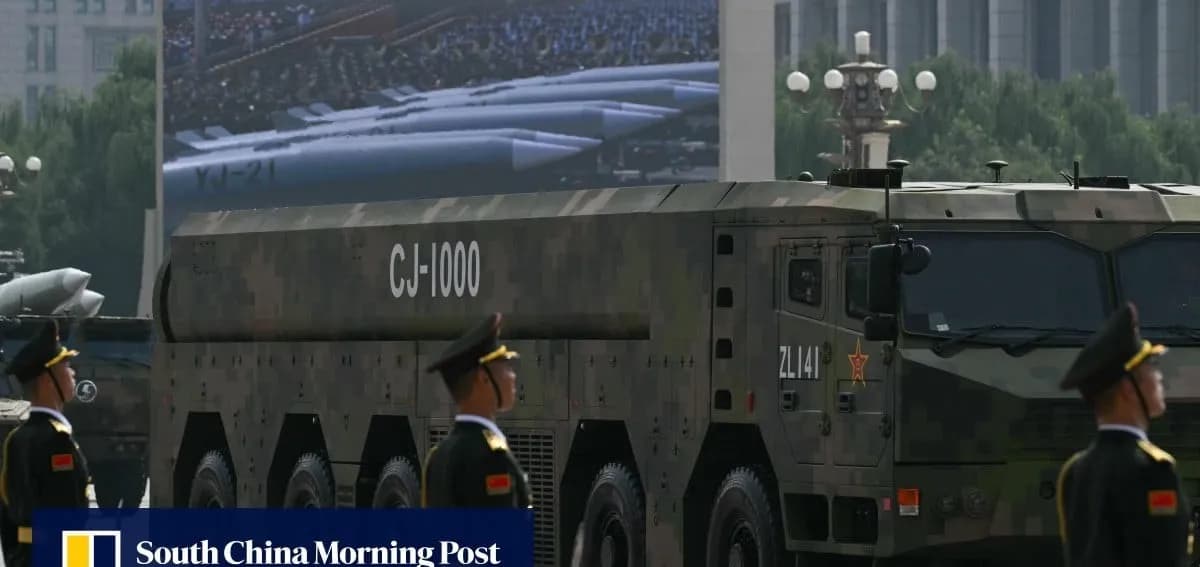
China Reduces Hypersonic Missile Core Technology Simulation to 7 Days

BTS Gwanghwamun Concert: AI Network Prevents Communication Crisis for 40,000 Fans
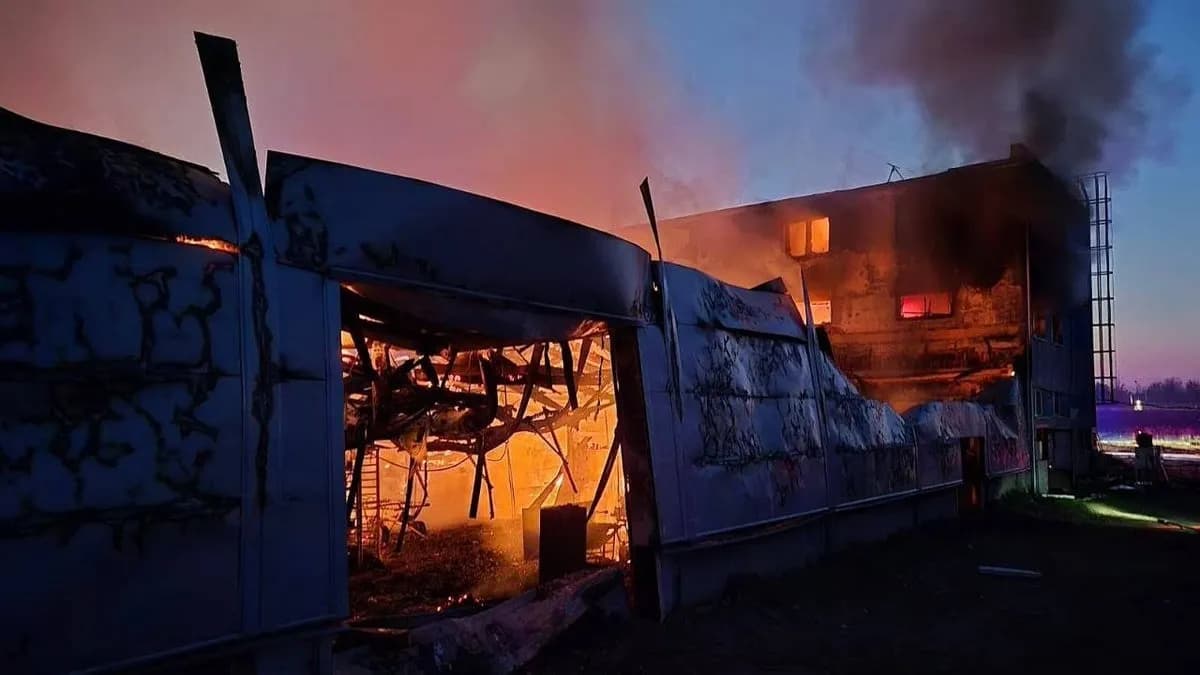
Czech Drone Factory Fire Under Investigation for Terrorism

Trump Slams NATO Allies as 'Cowards' Over Strait of Hormuz Refusal

Google Unveils Gemini 3.1 Flash-Lite Optimized for High-Volume Processing
Latest News
이스라엘, 헤즈볼라 무기 통로 레바논 다리 공습
이스라엘군, 헤즈볼라 무기 통로 레바논 다리 공습
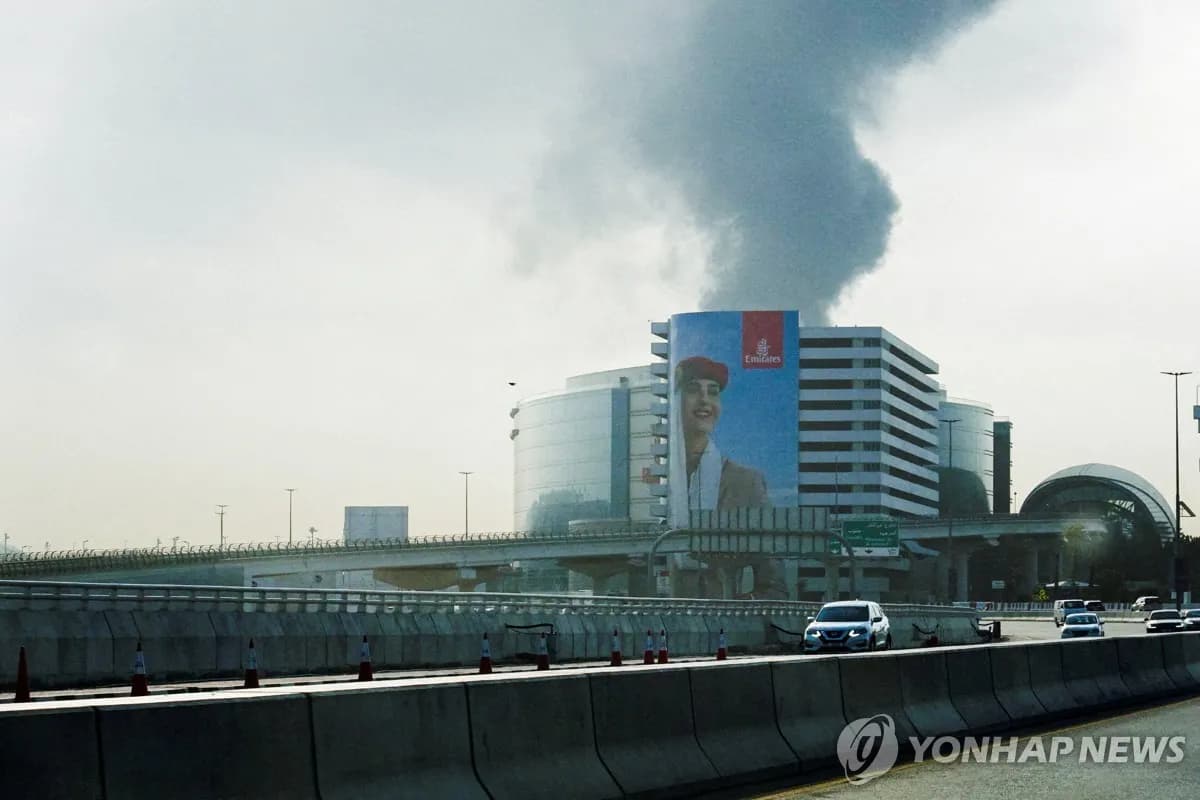
중동행 전세기 전쟁보험료 최고 7천500만원
중동행 전세기 전쟁보험료가 최고 5만달러(7천500만원)로 상승

이란 탄도미사일, 이스라엘 방어망 뚫고 160명 부상
이란 탄도미사일이 이스라엘 방공망을 통과해 160명 부상
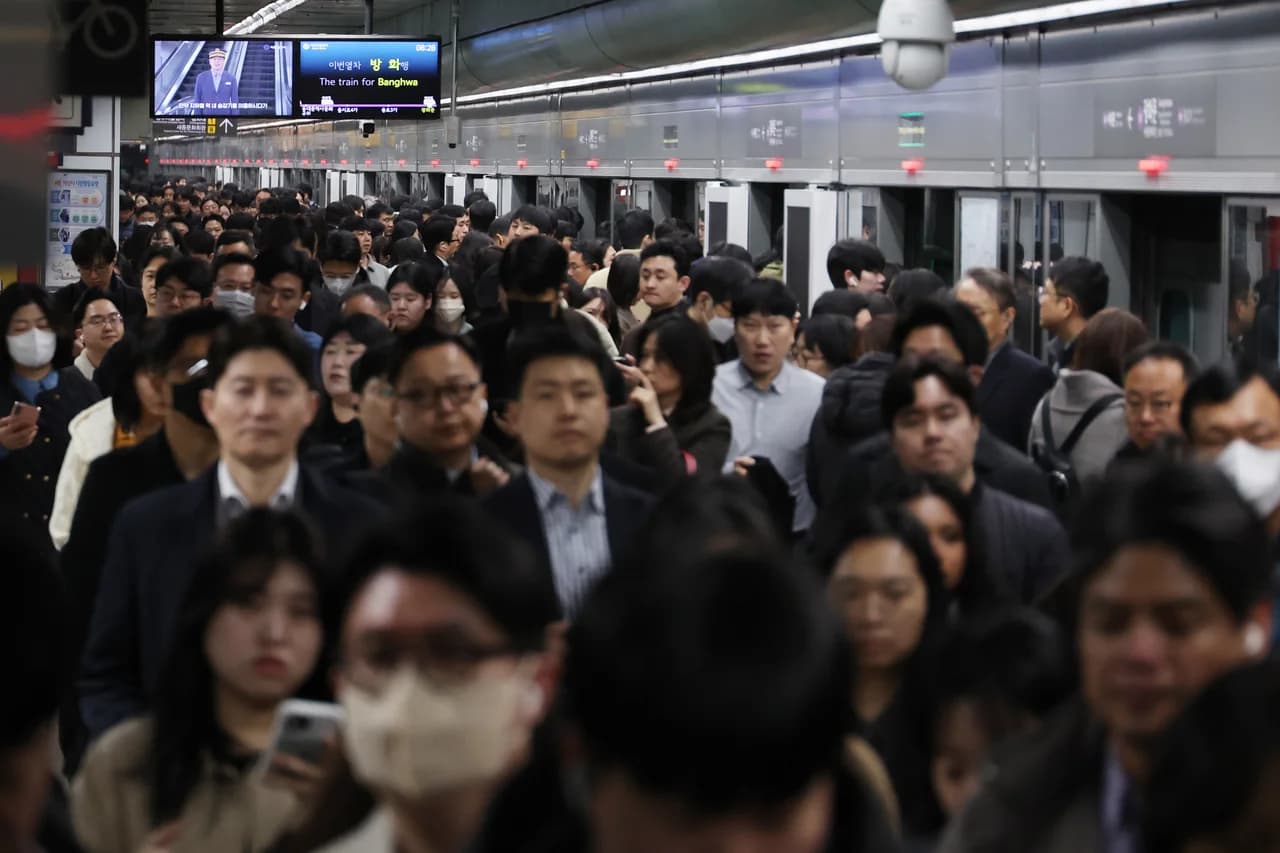
Middle East Conflict Drives Manufacturing Outlook to 10-Month Low
The Korea Institute for Industrial Economics & Trade survey shows April manufacturing outlook PSI plummeted to 88, falling below baseline for the first time in 10 months.

Lee Jae-myung Administration Excludes Multi-Home Officials from Real Estate Policymaking
President Lee Jae-myung has ordered the exclusion of multi-home owning public officials from all real estate policy processes.

Southeast Asia Growth Forecasts Cut Amid Oil Price Surge, Threatening Korean Exports
Maybank Research has downgraded ASEAN-6's 2026 growth forecast from 4.8% to 4.5%.

Volkswagen CEO Says Germany Should Learn from China's Industrial Strategy
Volkswagen CEO stated that Germany should learn from China's systematic industrial planning approach.

BTS Tops March Artist Brand Reputation Rankings with First Full Group Comeback in 4 Years
BTS ranked first in the Korean Corporate Reputation Research Institute's March Artist Brand Reputation Rankings based on 99 million data points.