Nobel Peace Prize Laureate on Climate Action and Sustainable Development
Dr. Mohan Munasinghe Emphasizes Sustainability Framework Amid Shift from Western-Led to Multipolar World Order
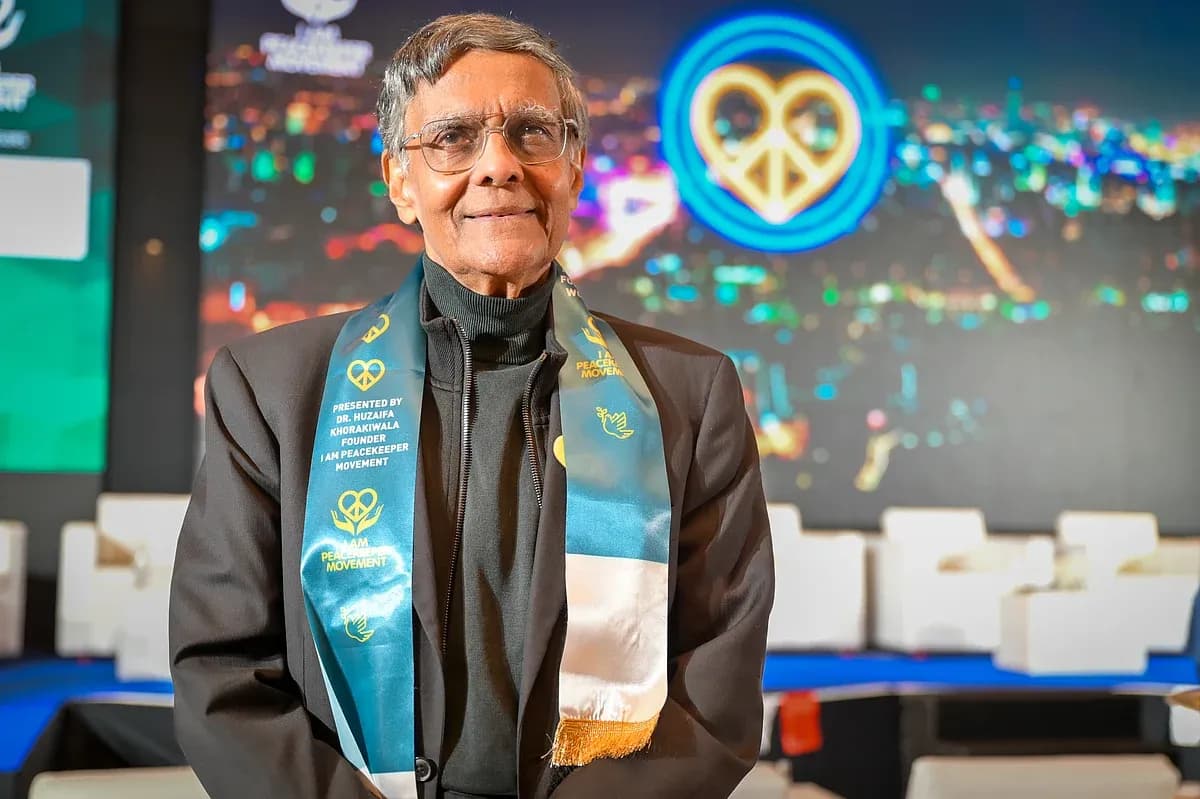
- •2007 Nobel Peace Prize laureate Dr. Mohan Munasinghe emphasized that climate action must be integrated with the Sustainable Development Goals (SDGs).
- •The Sustainomics framework, proposed in 1992, focuses on balanced development of economy, society, and environment, and is now being applied in national policies.
- •The importance of an integrated approach linking sustainability and peace is growing amid the transition from Western-centric to multipolar world order.
Climate Crisis Solutions Must Go Hand-in-Hand with SDGs
Dr. Mohan Munasinghe, former Vice-Chair of the Intergovernmental Panel on Climate Change (IPCC) and 2007 Nobel Peace Prize laureate, recently emphasized the need for an integrated approach to climate action and the Sustainable Development Goals (SDGs) at the 'I am Peacekeeper' peace movement event in Dubai.
In an interview with Khaleej Times, Dr. Munasinghe, a Sri Lankan physicist and economist, reaffirmed the importance of his 'Sustainomics' framework, stating that "climate change and sustainable development are not separate issues, but intertwined challenges that must be addressed simultaneously."
From Physics to Peace Activism: Crossing Academic Boundaries
Dr. Munasinghe's journey began with studies in physics and engineering at Cambridge University and MIT. However, he pursued a master's degree in economics "to return to Sri Lanka and help the poor," building multidisciplinary capabilities.
His interests expanded from physics to engineering, economics, and then to energy, water resources, transportation, and environmental resources, ultimately evolving into multidisciplinary issues including poverty, disasters, climate change, sustainable development, and peace.
A Critical Decision During World Bank Years
Working at the World Bank from 1974 to 2002, Dr. Munasinghe gained an important insight. "At junior levels, I could do good development work helping the poor, but as I moved up the management ladder, hands-on work decreased and policy decisions were inevitably influenced by geopolitics," he recalls.
In response, from 1982 to 1986, he took a break from his World Bank career to serve as Senior Advisor to the President of Sri Lanka, gaining field experience in developing countries. After early retirement in 2002, he permanently returned to Sri Lanka and established the Munasinghe Institute for Development (MIND), a non-profit research organization.
30 Years at IPCC, A Journey to the Nobel Peace Prize
Dr. Munasinghe's research during his 30 years at the IPCC, where he served as Vice-Chair, clearly demonstrated that "climate change and sustainable development are interconnected problems that must be solved simultaneously." This contribution played a decisive role in the IPCC's 2007 Nobel Peace Prize.
The Nobel Prize provided him with "a platform to transition into an advocate for sustainability and peace."
Sustainomics: A Groundbreaking Contribution to Sustainability Thinking
In 2021, the Blue Planet Prize jury recognized Sustainomics as Dr. Munasinghe's "groundbreaking contribution to sustainability thinking." He stated, "I feel great hope that the models I developed are now being applied in practice."
Core Concepts of Sustainomics
First proposed at the 1992 UN Rio Earth Summit, Sustainomics' ultimate goal is "to make development more sustainable for all."
The core concept focuses on the harmony and integration of the Sustainable Development Triangle:
- Economic Prosperity: Lifting the poor out of poverty
- Social Inclusion: Achieving equity and social justice
- Environmental Protection: Conserving ecosystems and natural resources
Dr. Munasinghe emphasizes that "true sustainable development is only possible when these three dimensions are balanced and integrated."
From Western-Centric to Multipolar World Order
In the interview, Dr. Munasinghe pointed to fundamental changes in global governance. "We are witnessing a transition from a Western-led world order to a multipolar world order," he explained, noting that the importance of sustainability frameworks is growing amid these geopolitical shifts.
He added, "In the new world order, cooperation and balance among multiple actors, rather than leadership by a single superpower, are essential," noting that "this is consistent with the principles of balance and integration pursued by Sustainomics."
Building Peace Through Popular Mobilization
This Dubai visit was part of the 'I am Peacekeeper' movement led by Dr. Huzaifa Khorakiwala. The movement aims for "grassroots popular mobilization for world peace."
Dr. Munasinghe stated, "Sustainable development and climate action ultimately lead to peace," adding that "environmental destruction and resource depletion cause conflict, so pursuing sustainability is the path to building peace."
[AI Analysis] Integrated Approach to Climate-Development-Peace as Future Challenge
Dr. Munasinghe's Sustainomics framework has established itself as a practical policy tool beyond mere theory. The framework's usefulness has been particularly demonstrated as countries seek to balance economic development and climate action while establishing Nationally Determined Contributions (NDCs) following the Paris Agreement.
The transition to a multipolar world order is also affecting climate negotiations. As developing countries more strongly assert the principle of "common but differentiated responsibilities," the need for an integrated approach that addresses the climate crisis without abandoning economic development is growing.
As the world approaches the midpoint review of SDGs implementation in 2026, the balanced development model of economy, society, and environment emphasized by Dr. Munasinghe is likely to receive increased attention. As the climate crisis intensifies, systemic and integrated approaches, rather than piecemeal solutions, become essential.
Furthermore, his linkage of "peace-sustainability-development" provides important implications for policymakers at a time when conflicts and migration issues due to climate change are being highlighted. The recognition that environmental protection is peace-building is expected to spread further in the international community.
댓글 (3)
관계자분들의 노력에 박수를 보냅니다.
Peace 정말 대단하네요! 좋은 소식입니다.
좋은 소식에 기분이 좋아지네요.
More in AI & Tech

Reddit Considers Face ID to Block Bots While Maintaining Anonymity
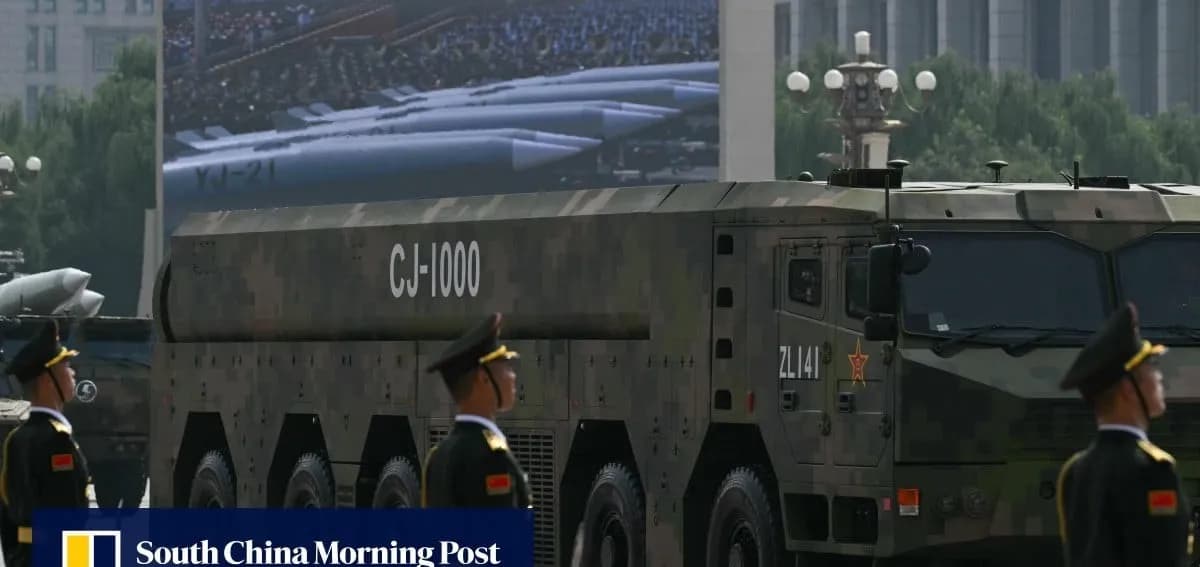
China Reduces Hypersonic Missile Core Technology Simulation to 7 Days

BTS Gwanghwamun Concert: AI Network Prevents Communication Crisis for 40,000 Fans
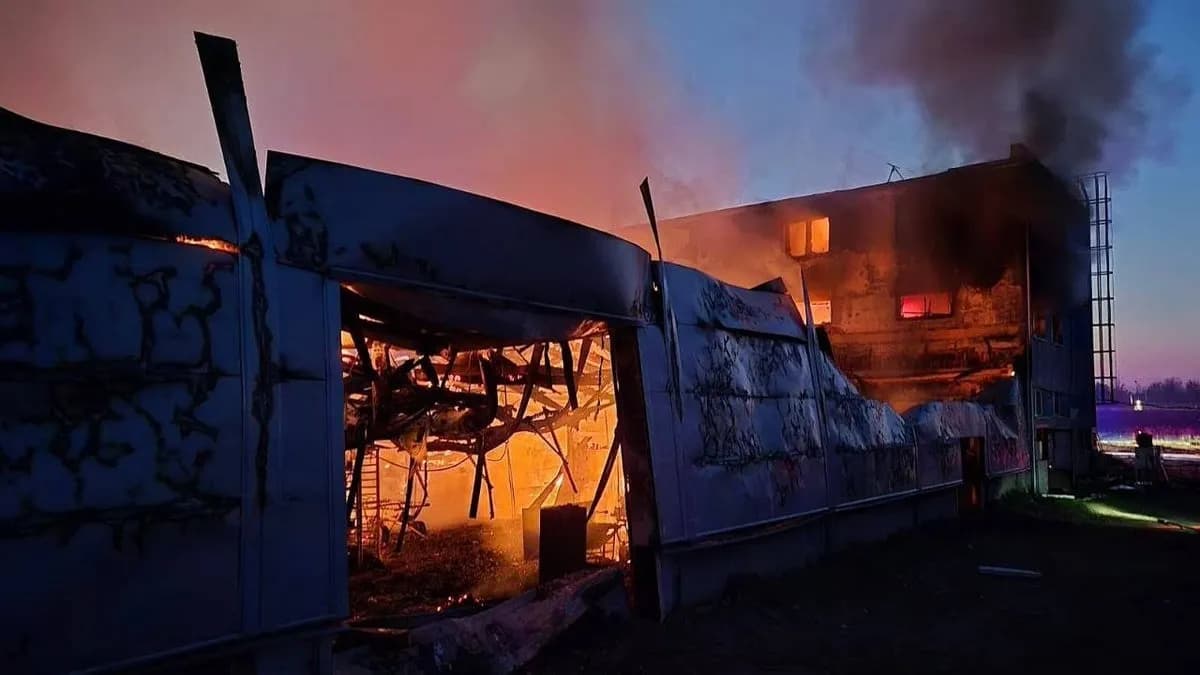
Czech Drone Factory Fire Under Investigation for Terrorism
Trump Slams NATO Allies as 'Cowards' Over Strait of Hormuz Refusal

Google Unveils Gemini 3.1 Flash-Lite Optimized for High-Volume Processing
Latest News
이스라엘, 헤즈볼라 무기 통로 레바논 다리 공습
이스라엘군, 헤즈볼라 무기 통로 레바논 다리 공습
중동행 전세기 전쟁보험료 최고 7천500만원
중동행 전세기 전쟁보험료가 최고 5만달러(7천500만원)로 상승

이란 탄도미사일, 이스라엘 방어망 뚫고 160명 부상
이란 탄도미사일이 이스라엘 방공망을 통과해 160명 부상

Middle East Conflict Drives Manufacturing Outlook to 10-Month Low
The Korea Institute for Industrial Economics & Trade survey shows April manufacturing outlook PSI plummeted to 88, falling below baseline for the first time in 10 months.

Lee Jae-myung Administration Excludes Multi-Home Officials from Real Estate Policymaking
President Lee Jae-myung has ordered the exclusion of multi-home owning public officials from all real estate policy processes.

Southeast Asia Growth Forecasts Cut Amid Oil Price Surge, Threatening Korean Exports
Maybank Research has downgraded ASEAN-6's 2026 growth forecast from 4.8% to 4.5%.
Volkswagen CEO Says Germany Should Learn from China's Industrial Strategy
Volkswagen CEO stated that Germany should learn from China's systematic industrial planning approach.

BTS Tops March Artist Brand Reputation Rankings with First Full Group Comeback in 4 Years
BTS ranked first in the Korean Corporate Reputation Research Institute's March Artist Brand Reputation Rankings based on 99 million data points.