Niger's Youth Choose Overseas Study for AI and Cybersecurity Education
Domestic IT Infrastructure Gaps Drive Strategic Tech Talent Abroad

- •Niger universities face IT equipment shortages and lack of advanced courses, driving students to pursue overseas education for AI and cybersecurity specialization.
- •Experts propose a hybrid model where students receive foundational education domestically, specialize abroad, and contribute through either return or remote collaboration.
- •During the national reconstruction period, strategic IT talent development has emerged as critical for digital transformation and addressing development challenges.
Niger's University Reality and IT Education Gap
Niger is expanding its higher education system centered around Abdou Moumouni University and Djibo Hamani University. Programs in law, humanities, economics, health, education, and agriculture are operating to meet national development needs.
However, the information technology (IT) sector remains in its early stages. Lack of educational equipment, limited access to specialized labs, absence of advanced courses, and insufficient practice-oriented research are identified as major challenges.
AI and Cybersecurity Emerge as Strategic National Priorities
Artificial intelligence (AI), cybersecurity, data science, embedded systems, and software development have become critical technologies that determine national sovereignty and competitiveness. While Niger's government has set digital transformation as a national agenda, the infrastructure to support such education remains inadequate.
UNESCO and the International Telecommunication Union (ITU) support digital capacity building in developing countries, but Sub-Saharan African nations like Niger face budget constraints for equipment procurement and difficulties securing specialized faculty.
In contrast, overseas universities provide:
- State-of-the-art digital infrastructure (high-performance servers, GPU clusters)
- Regularly updated curricula (reflecting latest frameworks)
- Close collaboration with tech companies (internships, joint research)
- Access to innovation ecosystems (startup incubators, hackathons)
Domestic Education vs. Overseas Study: Comparative Analysis
| Aspect | Niger Domestic Universities | Overseas Universities |
|---|---|---|
| Tuition | Relatively affordable | High cost (difficult without scholarships) |
| IT Lab Environment | Limited (equipment/software shortage) | Sufficient (access to latest tools) |
| International Recognition | Limited recognition | Global recognition (IEEE, ACM, etc.) |
| Industry Connections | Early stage | Active corporate partnerships |
| Cultural Adaptation | Not required | Essential (psychological burden) |
| National Contribution | Immediately possible | Risk of delayed return |
New Education Strategy: Hybrid Model
Experts propose a phased education strategy:
Phase 1 — Domestic Foundation (Bachelor's degree)
Students acquire core concepts such as programming basics, data structures, and network principles at Niger universities. They also develop the ability to understand problems within local contexts.
Phase 2 — Overseas Specialization (Master's degree)
Students learn advanced technologies like machine learning, blockchain, and cloud computing abroad. They build international networks and participate in cutting-edge research.
Phase 3 — Contribution Method Selection
Graduates can return to work directly or collaborate with global companies through remote work while conducting technology transfer to Niger. Even as diaspora, they can participate in homeland projects through mentoring and investment.
Reconstruction Era: Strategic Talent Development is Key
Niger is currently undergoing a national reconstruction (refondation) process. What's needed during this period is not simply degree holders but strategic talent capable of solving real-world problems.
This is particularly crucial in IT. Administrative digitalization, agricultural data analysis, and telemedicine system development—all national development challenges require IT capabilities.
A Ministry of Education official stated, "We will expand partnership programs between local and overseas universities so students can leverage the advantages of both systems."
[AI Analysis] The Future of IT Education in Africa
Niger's situation reflects structural problems observed throughout Sub-Saharan Africa. Infrastructure deficits in domestic universities and increasing dependence on overseas study carry the risk of brain drain.
However, several positive changes have emerged recently:
- Expansion of online education platforms: Coursera, edX can partially compensate for hardware shortages
- Growth of African tech hubs: IT ecosystems in Nigeria, Kenya, and Rwanda offer regional collaboration models
- China and India scholarship programs: Increasing IT education support for African students
If Niger combines strengthening domestic foundational education with an overseas specialization strategy, it could establish itself as a regional IT talent hub within 5-10 years. However, this requires sustained government investment in education and private sector industry-academia collaboration.
댓글 (4)
Niger에 대해 더 알고 싶어졌습니다. 후속 기사 부탁드립니다.
좋은 의견이십니다.
Youth 관련 기사 잘 읽었습니다. 유익한 정보네요.
흥미로운 주제입니다. 주변에도 공유해야겠어요.
More in AI & Tech

Reddit Considers Face ID to Block Bots While Maintaining Anonymity
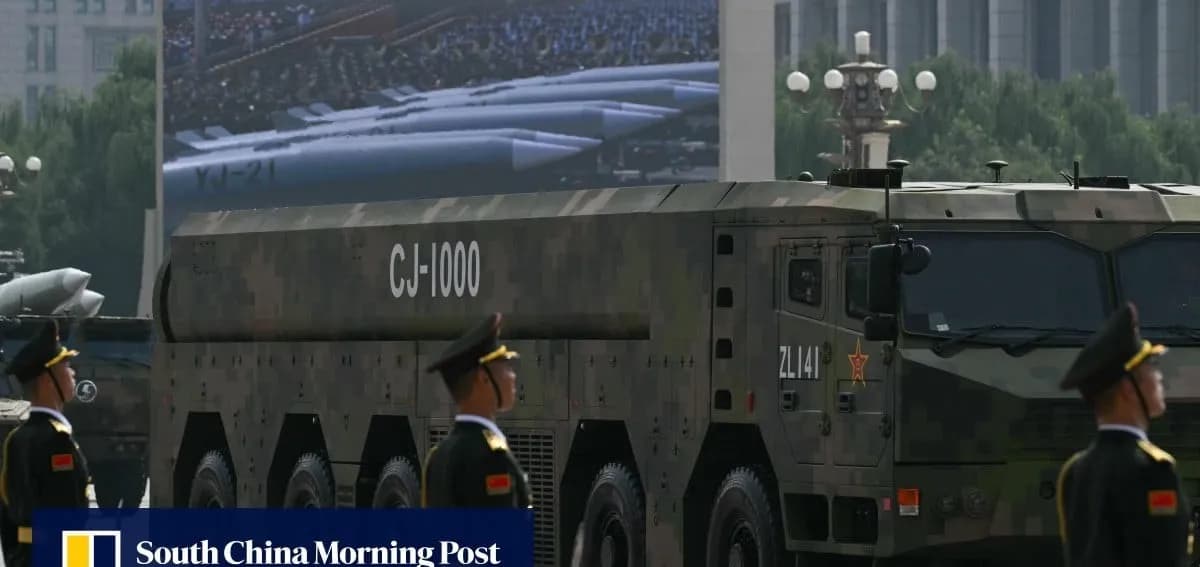
China Reduces Hypersonic Missile Core Technology Simulation to 7 Days

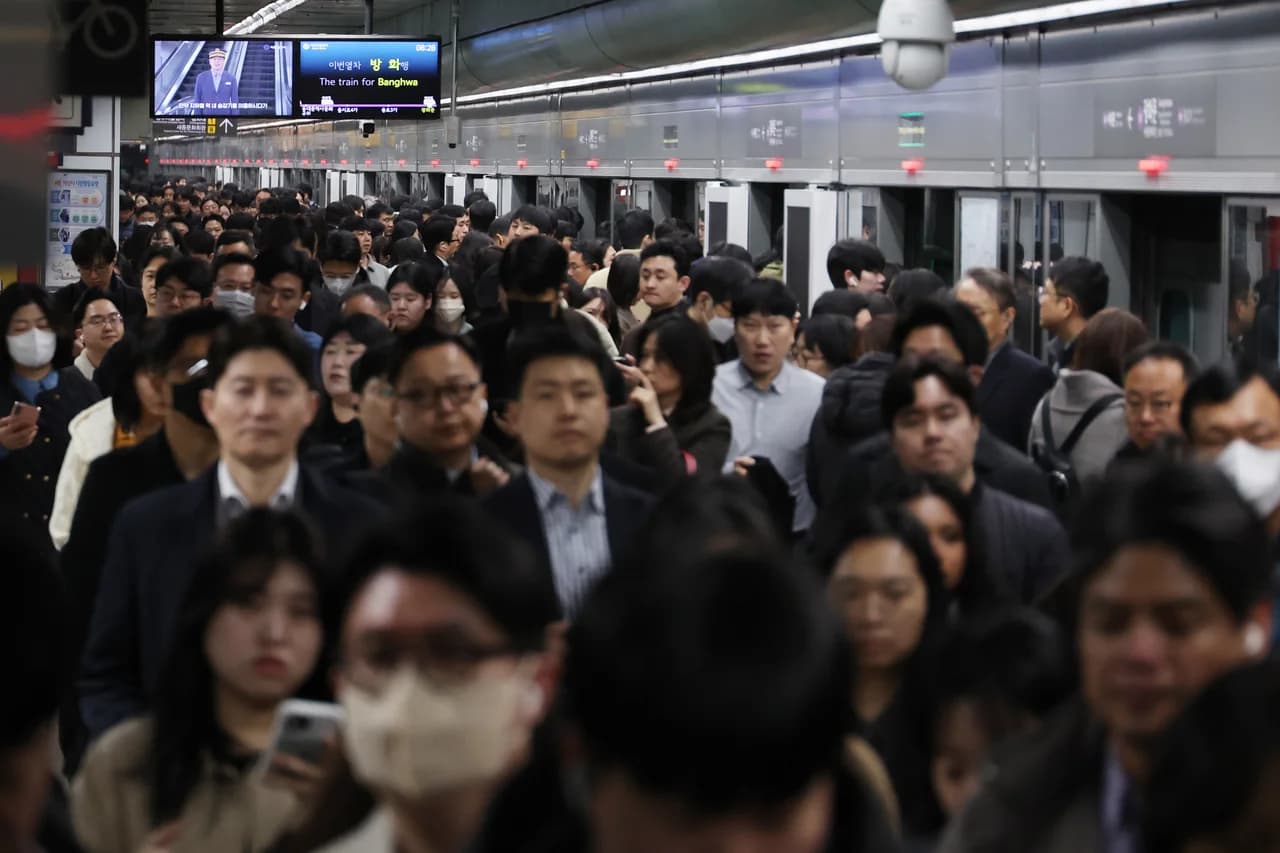
BTS Gwanghwamun Concert: AI Network Prevents Communication Crisis for 40,000 Fans
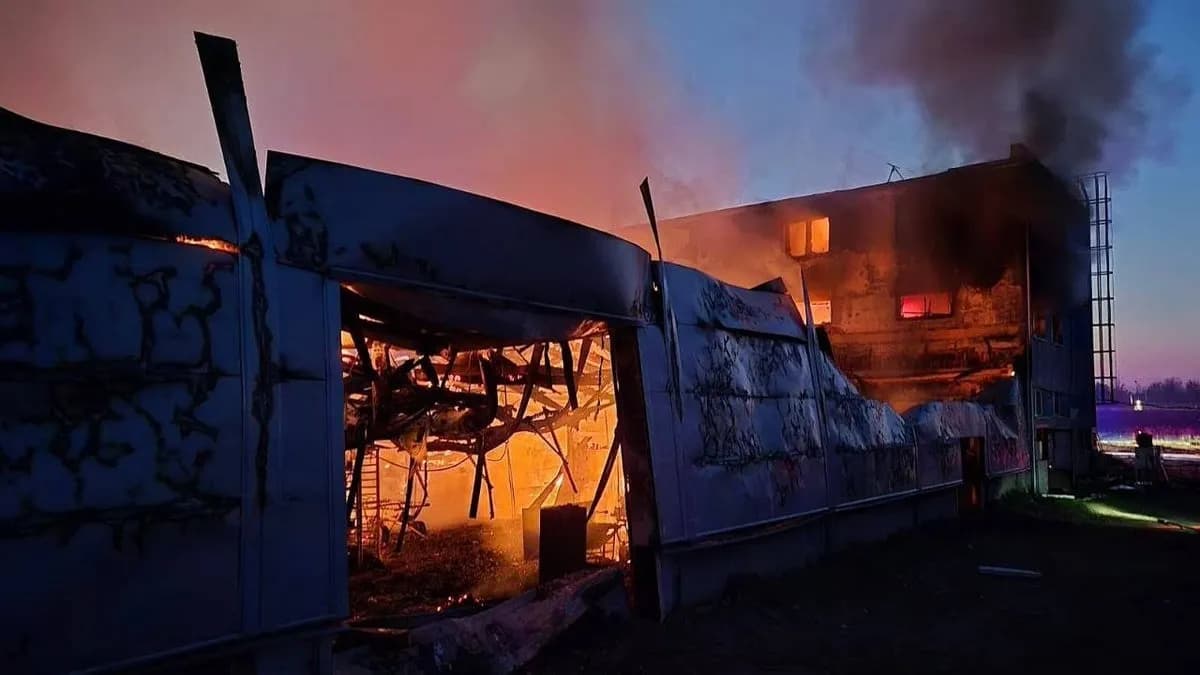
Czech Drone Factory Fire Under Investigation for Terrorism

Trump Slams NATO Allies as 'Cowards' Over Strait of Hormuz Refusal

Google Unveils Gemini 3.1 Flash-Lite Optimized for High-Volume Processing
Latest News

이스라엘, 헤즈볼라 무기 통로 레바논 다리 공습
이스라엘군, 헤즈볼라 무기 통로 레바논 다리 공습
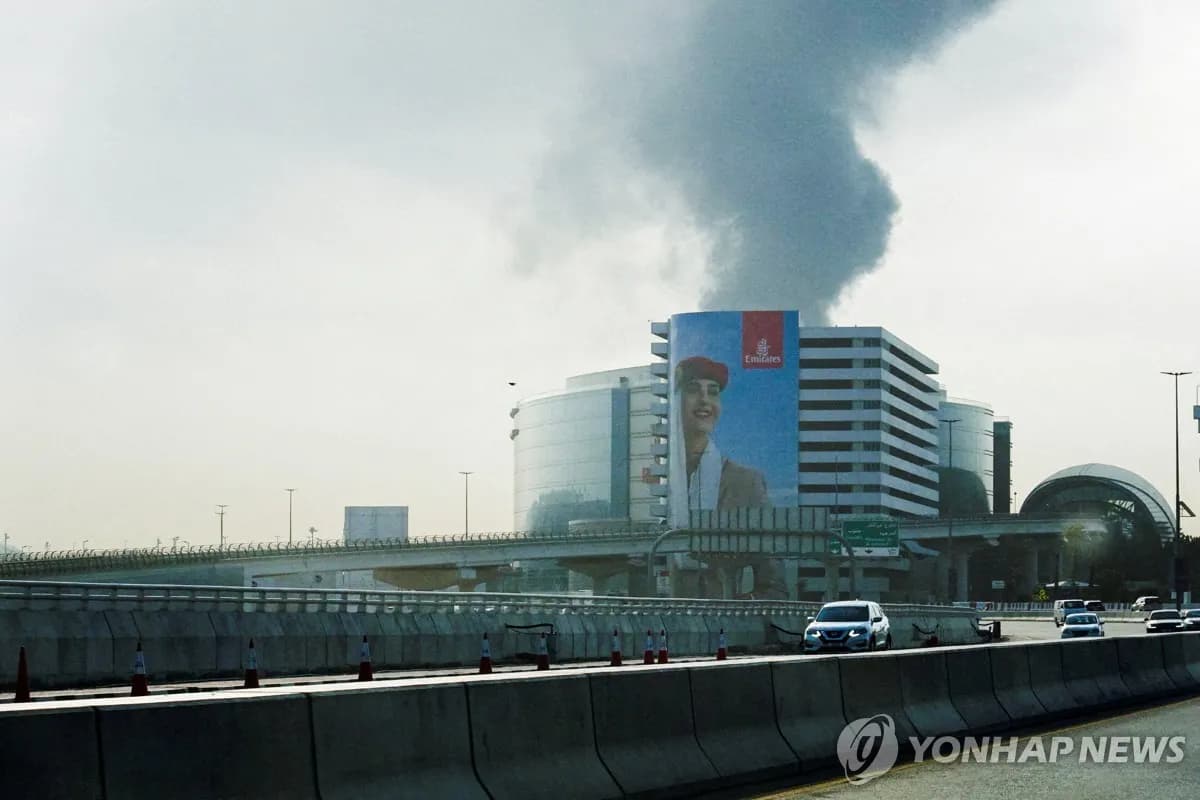
중동행 전세기 전쟁보험료 최고 7천500만원
중동행 전세기 전쟁보험료가 최고 5만달러(7천500만원)로 상승

이란 탄도미사일, 이스라엘 방어망 뚫고 160명 부상
이란 탄도미사일이 이스라엘 방공망을 통과해 160명 부상
Middle East Conflict Drives Manufacturing Outlook to 10-Month Low
The Korea Institute for Industrial Economics & Trade survey shows April manufacturing outlook PSI plummeted to 88, falling below baseline for the first time in 10 months.

Lee Jae-myung Administration Excludes Multi-Home Officials from Real Estate Policymaking
President Lee Jae-myung has ordered the exclusion of multi-home owning public officials from all real estate policy processes.

Southeast Asia Growth Forecasts Cut Amid Oil Price Surge, Threatening Korean Exports
Maybank Research has downgraded ASEAN-6's 2026 growth forecast from 4.8% to 4.5%.

Volkswagen CEO Says Germany Should Learn from China's Industrial Strategy
Volkswagen CEO stated that Germany should learn from China's systematic industrial planning approach.

BTS Tops March Artist Brand Reputation Rankings with First Full Group Comeback in 4 Years
BTS ranked first in the Korean Corporate Reputation Research Institute's March Artist Brand Reputation Rankings based on 99 million data points.