The Paradox of the Digital Republic: When Tools of Liberation Become Instruments of Control
Jamie Susskind's 'The Digital Republic' Poses the Question: Does Technology Liberate or Oppress Us?

- •Jamie Susskind's 'The Digital Republic' analyzes the reality of Big Tech companies wielding power beyond nation-states, sharply diagnosing how AI and algorithms threaten democracy.
- •The author proposes solutions like mini-publics, but critics point out these idealistic prescriptions are disconnected from reality and worry about the absence of practical control mechanisms.
- •We have devolved from free citizens to subjects of algorithms, standing at a crossroads between reclaiming control over technology or accepting a digital dictatorship with a friendly face.
From Tech Utopia to Digital Dystopia
Not long ago, Big Tech companies were revered like gods. We believed Google would make us smarter, Facebook would bring us closer together and become the global public square of democracy. Applications were seen as gateways to freedom and progress.
But now we're realizing how naive that faith was. What we believed would liberate us yesterday is constraining us today. We read news not to be informed but to be manipulated, and algorithms have gained power greater than our ordinary intelligence.
Jamie Susskind's Diagnosis of Digital Power
Jamie Susskind, a British legal scholar and technology philosopher, dissects the core of this problem in his book 'The Digital Republic (Republica Digitală)'. He sharply analyzes how the internet transformed from savior to executioner.
The reality Susskind presents is shocking:
- Artificial Intelligence (AI) shapes politics
- Big Data reduces us to mere files
- Social Media has become a new 'parliament of fools'
The author poses fundamental questions: How can private corporations wield more power than states? Why can't we stop Mark Zuckerberg or Elon Musk when they go off the rails?
The Gap Between Ideal Solutions and Reality
Susskind proposes solutions like 'mini-publics' and 'Republic of Standards.' However, Romanian journalist Ciprian Năprădean criticizes these proposals as disconnected from reality.
He points out, "Look at news comment sections. That's who we really are," highlighting how hollow Susskind's idealism appears when we can't even manage civilized discussion. In a situation where we can't make existing institutions work properly, let alone create new ones, blueprints for digital democracy seem far-fetched.
How We Became Subjects of Algorithms
Nevertheless, 'The Digital Republic' provides crucial insights. We must face the fact that we built a digital empire, and now that empire governs us.
Our Current Position:
- Instead of free citizens → Subjects of algorithms
- Instead of democracy → Feeds
- Instead of free elections → Targeted campaigns
This is why Susskind's book is both brilliant and frustrating. The diagnosis is accurate, but the prescription is naive. It's like discovering a malignant tumor but recommending chamomile tea as treatment.
The Friendly Face of Digital Dictatorship
'The Digital Republic' dreams of a revolutionary project for a new society where humans and technology evolve together. But the reality is that humans have become servants of technology.
Key Question:
Can we still reclaim control over technology? Or should we prepare to live under a digital dictatorship with a friendly face based on emoji-driven empathy?
[AI Analysis] The Future of Tech Power and Democracy
The problems raised by Susskind's analysis are becoming increasingly urgent on a global scale. As of 2026, the pace of AI technology development far outstrips the development of democratic control mechanisms.
Future Prospects:
-
Strengthening Regulatory Movements: Regulations on tech companies, like the EU's AI Act, are likely to spread globally. However, the effectiveness of regulations remains questionable.
-
Demands for Algorithmic Transparency: Movements demanding citizens' right to understand and control the algorithms that govern them will intensify.
-
Digital Sovereignty Debates: Debates on how to balance digital power among states, corporations, and individuals will deepen.
Susskind's 'The Digital Republic' may not provide perfect answers, but it clarifies the questions we must ask. Will technology strengthen democracy or replace it? The answer to this question depends on the choices we make now.
댓글 (4)
The에 대해 더 알고 싶어졌습니다. 후속 기사 부탁드립니다.
좋은 의견이십니다.
간결하면서도 핵심을 잘 정리한 기사네요.
흥미로운 주제입니다. 주변에도 공유해야겠어요.
More in AI & Tech

Reddit Considers Face ID to Block Bots While Maintaining Anonymity

China Reduces Hypersonic Missile Core Technology Simulation to 7 Days

BTS Gwanghwamun Concert: AI Network Prevents Communication Crisis for 40,000 Fans

Czech Drone Factory Fire Under Investigation for Terrorism
Trump Slams NATO Allies as 'Cowards' Over Strait of Hormuz Refusal
Google Unveils Gemini 3.1 Flash-Lite Optimized for High-Volume Processing
Latest News

이스라엘, 헤즈볼라 무기 통로 레바논 다리 공습
이스라엘군, 헤즈볼라 무기 통로 레바논 다리 공습

중동행 전세기 전쟁보험료 최고 7천500만원
중동행 전세기 전쟁보험료가 최고 5만달러(7천500만원)로 상승

이란 탄도미사일, 이스라엘 방어망 뚫고 160명 부상
이란 탄도미사일이 이스라엘 방공망을 통과해 160명 부상
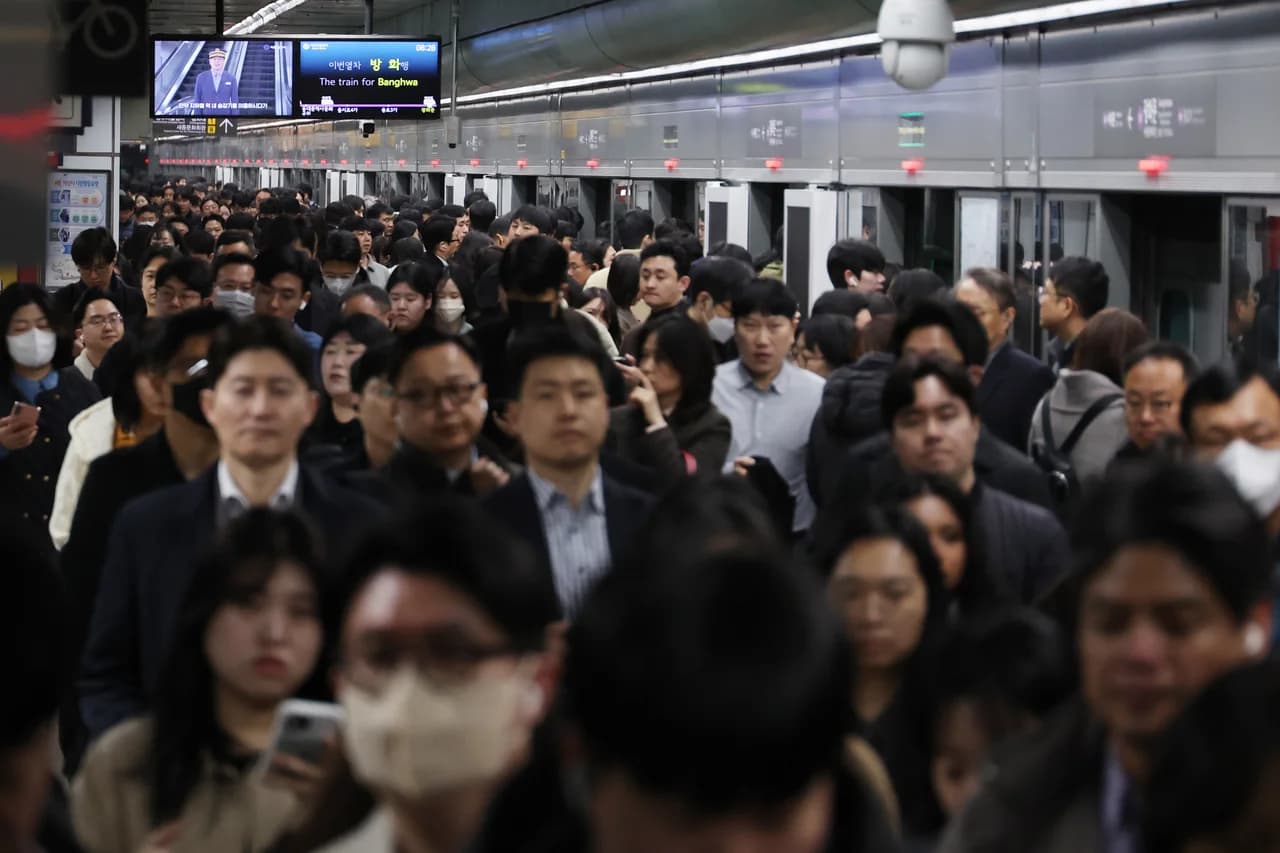
Middle East Conflict Drives Manufacturing Outlook to 10-Month Low
The Korea Institute for Industrial Economics & Trade survey shows April manufacturing outlook PSI plummeted to 88, falling below baseline for the first time in 10 months.

Lee Jae-myung Administration Excludes Multi-Home Officials from Real Estate Policymaking
President Lee Jae-myung has ordered the exclusion of multi-home owning public officials from all real estate policy processes.

Southeast Asia Growth Forecasts Cut Amid Oil Price Surge, Threatening Korean Exports
Maybank Research has downgraded ASEAN-6's 2026 growth forecast from 4.8% to 4.5%.

Volkswagen CEO Says Germany Should Learn from China's Industrial Strategy
Volkswagen CEO stated that Germany should learn from China's systematic industrial planning approach.
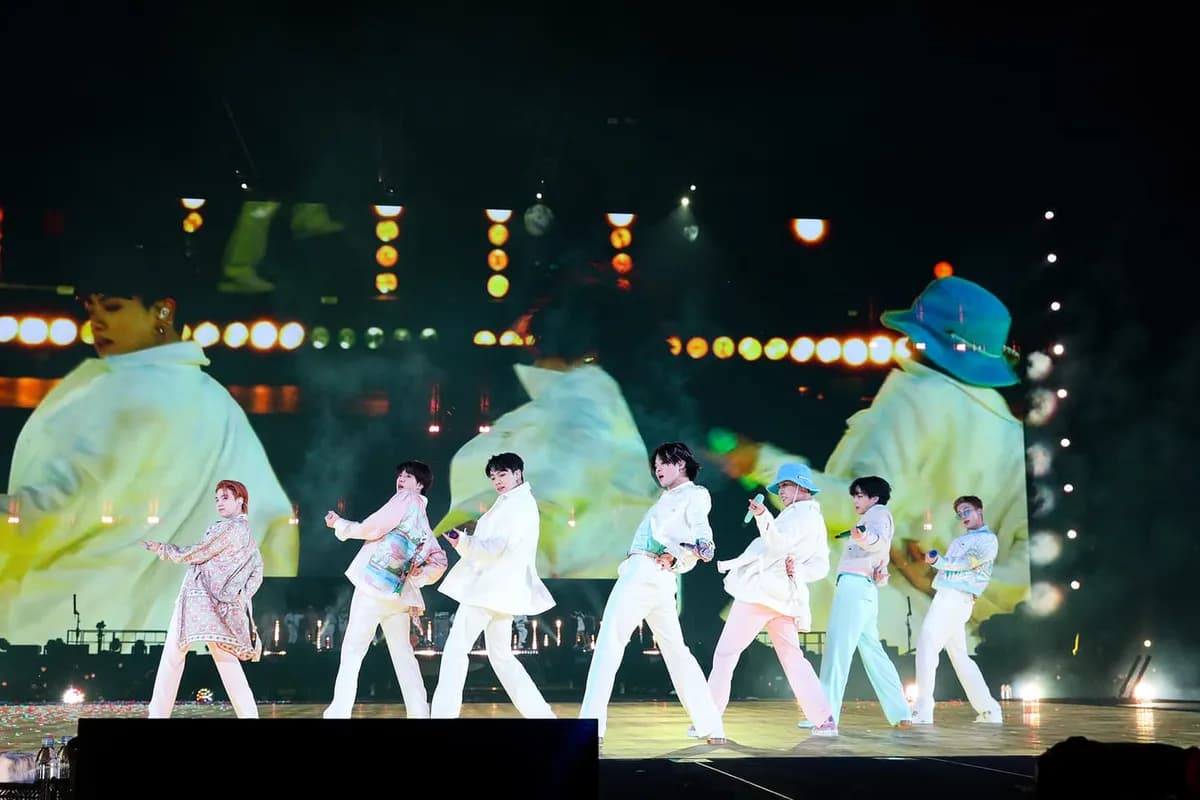
BTS Tops March Artist Brand Reputation Rankings with First Full Group Comeback in 4 Years
BTS ranked first in the Korean Corporate Reputation Research Institute's March Artist Brand Reputation Rankings based on 99 million data points.