Musk Signals SpaceX IPO Plans: $150 Trillion Won Scale Offering in the Works
Strategic Shift to Secure Funding for Space-Based AI Data Centers, Targeting 2026-2027 Listing
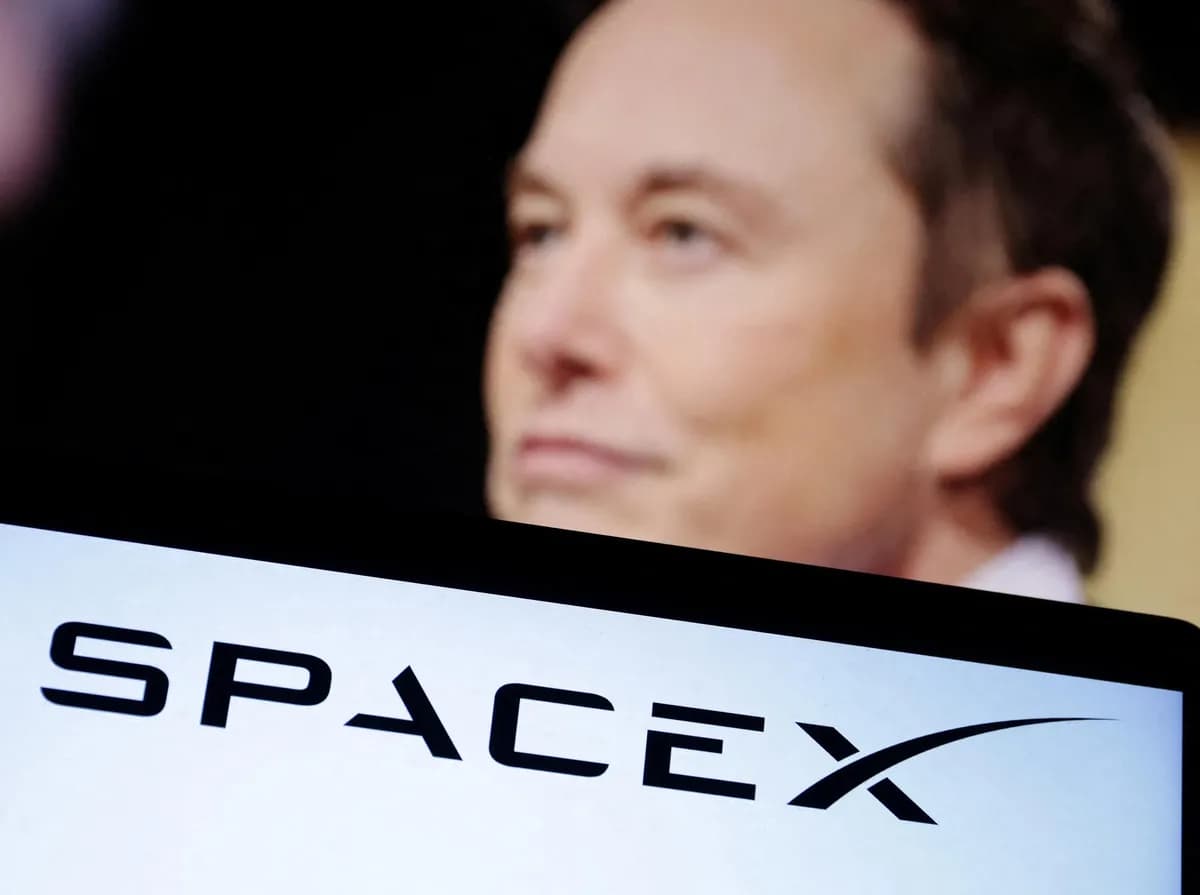
- •Elon Musk decides to pursue SpaceX IPO, projected at $1.5 trillion scale making it potentially the largest IPO in history
- •Plans to raise over $30 billion to build space-based AI data centers, targeting listing between mid-to-late 2026 and 2027
- •Starlink business growth projecting annual revenue of $20 billion signals space industry's entry into profit-generating phase
Musk's Strategic Pivot
Elon Musk has announced plans to pursue an initial public offering (IPO) for his aerospace company SpaceX. The decision was officially confirmed on December 11 when Musk verified a report by online publication Ars Technica as "accurate." This marks a notable 180-degree shift from Musk's previously firm stance against going public.
Major U.S. media outlets project SpaceX's IPO could reach a valuation of $1.5 trillion (approximately 2,000 trillion won), with the listing expected between mid-to-late 2026 and 2027. According to Bloomberg, SpaceX plans to raise at least $30 billion (approximately 40 trillion won) through the IPO.
A New Vision: Space-Based Data Centers
The core rationale behind this IPO push is the construction of space-based artificial intelligence (AI) data centers. SpaceX intends to allocate a significant portion of the raised capital toward building data centers in orbital space, including substantial investments in AI chip procurement.
Space-based data centers offer several advantages over traditional ground facilities:
- Solar Energy: Direct utilization of solar power solves electricity supply challenges
- Cooling Efficiency: Natural low-temperature environment of space reduces cooling costs
- Reduced Environmental Impact: Mitigates massive power consumption and heat generation issues of terrestrial data centers
However, the cost of launching servers into orbit remains a significant obstacle. Industry experts anticipate launch costs will decline sufficiently by the mid-2030s, with SpaceX's reusable rocket technology identified as the key enabling factor.
Why Did Musk Change His Mind?
Eric Berger, senior space editor at Ars Technica, characterized Musk's shift as "a significant change in mindset." Musk had long resisted taking SpaceX public for specific reasons:
Previous Position (Against IPO):
- Burden of public scrutiny experienced after Tesla's listing
- Shareholder focus on short-term returns conflicting with long-term Mars colonization goals
- Quarterly performance pressures constraining decision-making
Current Position (Favoring IPO):
- Need for massive capital to build space AI data centers
- Financial stability secured through projected Starlink revenue growth
- Urgent investment requirements to capture space infrastructure market
Berger explained that "Musk's concern was that shareholders' financial demands wouldn't align with the ultimate goal of Mars settlement," adding that "now the need for capital has outweighed those concerns."
The Starlink Effect and Market Expectations
SpaceX's IPO pursuit is closely tied to Starlink's rapid growth. Starlink provides high-speed internet globally through low-Earth orbit satellites, currently operating over 6,000 satellites.
| Metric | Current Status | Projection |
|---|---|---|
| Subscribers | Over 3 million (2024) | 10 million expected by 2027 |
| Annual Revenue | ~$6 billion (2024 estimate) | Over $20 billion by 2027 |
| Satellite Deployment | Over 6,000 | Final target: 42,000 |
Starlink's stable revenue structure demonstrates to investors that SpaceX is evolving beyond a mere rocket company into a space infrastructure enterprise. This serves as a critical factor enhancing IPO success probability.
The Significance of $1.5 Trillion Valuation
If SpaceX successfully lists at a $1.5 trillion valuation, it would become the largest IPO in history. This represents approximately half the current market capitalization of Apple, the world's most valuable company, and exceeds Tesla's current market cap.
Global IPO History Comparison:
- Saudi Aramco (2019): $25.6 billion raised → Current largest IPO record
- Alibaba (2014): $25 billion raised
- SoftBank (2018): $23.6 billion raised
- SpaceX (Planned): Target of over $30 billion raised
This massive listing is expected to further intensify investment enthusiasm in the space industry. The pioneering of a new market sector combining AI and space technology is anticipated to significantly impact the broader industry landscape.
[AI Analysis] A New Era for the Space Economy
SpaceX's IPO pursuit likely signals more than a simple public offering—it represents the full-scale emergence of the Space Economy.
First, private investment in space infrastructure will surge. SpaceX's successful listing is expected to positively influence fundraising for other space companies like Blue Origin and Rocket Lab.
Second, the convergence of AI and space technology will accelerate. Space-based data centers could solve terrestrial power and cooling challenges while establishing themselves as new infrastructure for global AI services. New service models combining Earth observation, climate monitoring, global communications networks, and AI may emerge.
Third, further reductions in space launch costs are anticipated. SpaceX is expected to invest raised capital in mass production and improved reusability of Starship, potentially reducing per-kilogram launch costs to a fraction of current levels.
However, several risks exist. Space-based data centers remain unproven technology, with challenges including orbital server lifespan, maintenance costs, and space debris issues requiring resolution. Additionally, controversies surrounding Musk's other ventures (Tesla, X, etc.) could negatively impact investor sentiment.
Nevertheless, SpaceX's IPO will serve as a symbolic event demonstrating that the space industry has moved beyond the speculative phase into a stage of tangible profit generation. The 2026-2027 period is highly likely to be recorded as a turning point in space economy history.
댓글 (3)
Musk 관련 기사 잘 읽었습니다. 유익한 정보네요.
공감합니다. 참고하겠습니다.
Signals에 대해 더 알고 싶어졌습니다. 후속 기사 부탁드립니다.
More in AI & Tech

Reddit Considers Face ID to Block Bots While Maintaining Anonymity

China Reduces Hypersonic Missile Core Technology Simulation to 7 Days

BTS Gwanghwamun Concert: AI Network Prevents Communication Crisis for 40,000 Fans

Czech Drone Factory Fire Under Investigation for Terrorism

Trump Slams NATO Allies as 'Cowards' Over Strait of Hormuz Refusal

Google Unveils Gemini 3.1 Flash-Lite Optimized for High-Volume Processing
Latest News

이스라엘, 헤즈볼라 무기 통로 레바논 다리 공습
이스라엘군, 헤즈볼라 무기 통로 레바논 다리 공습
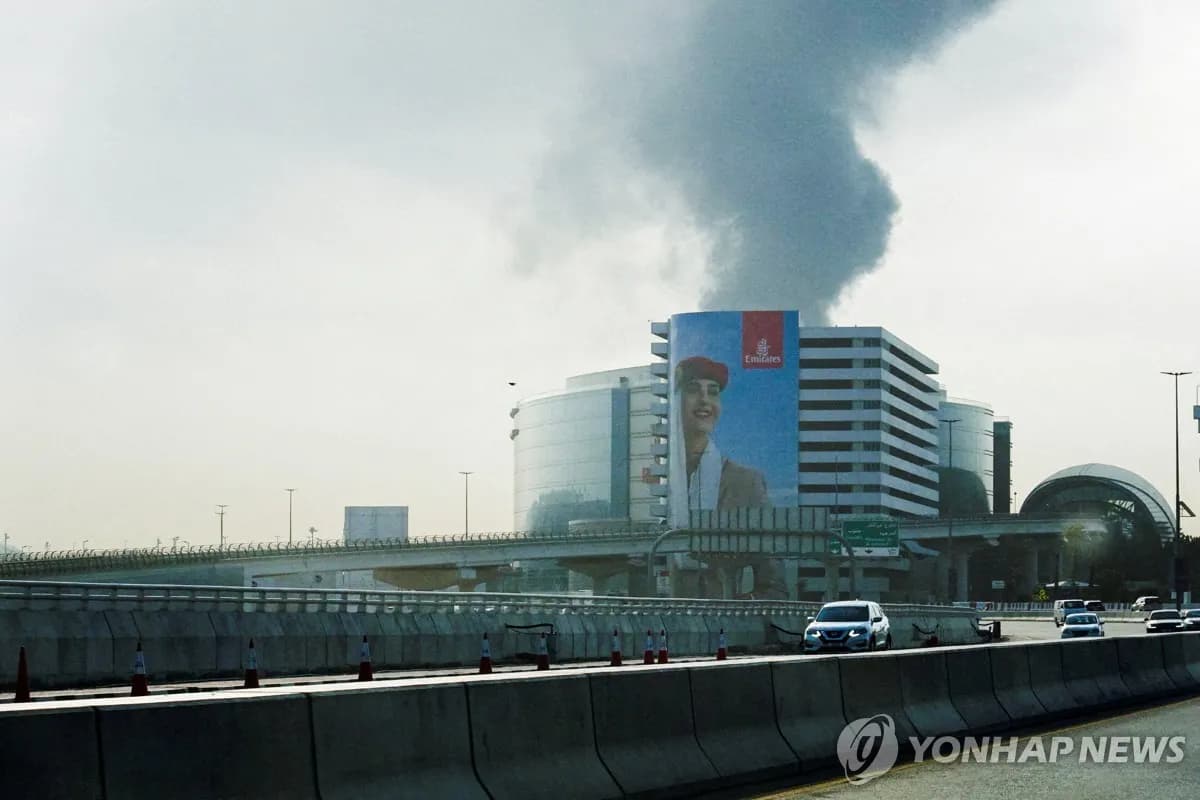
중동행 전세기 전쟁보험료 최고 7천500만원
중동행 전세기 전쟁보험료가 최고 5만달러(7천500만원)로 상승

이란 탄도미사일, 이스라엘 방어망 뚫고 160명 부상
이란 탄도미사일이 이스라엘 방공망을 통과해 160명 부상

Middle East Conflict Drives Manufacturing Outlook to 10-Month Low
The Korea Institute for Industrial Economics & Trade survey shows April manufacturing outlook PSI plummeted to 88, falling below baseline for the first time in 10 months.

Lee Jae-myung Administration Excludes Multi-Home Officials from Real Estate Policymaking
President Lee Jae-myung has ordered the exclusion of multi-home owning public officials from all real estate policy processes.

Southeast Asia Growth Forecasts Cut Amid Oil Price Surge, Threatening Korean Exports
Maybank Research has downgraded ASEAN-6's 2026 growth forecast from 4.8% to 4.5%.
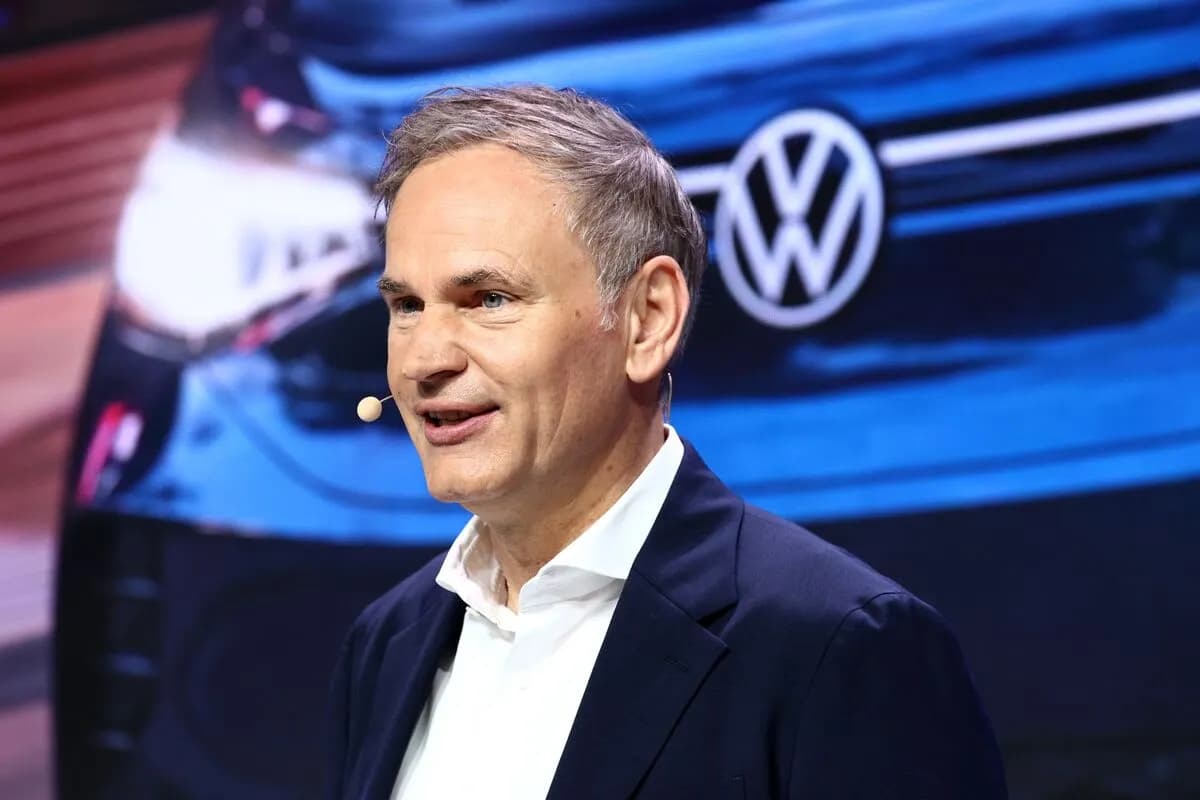
Volkswagen CEO Says Germany Should Learn from China's Industrial Strategy
Volkswagen CEO stated that Germany should learn from China's systematic industrial planning approach.
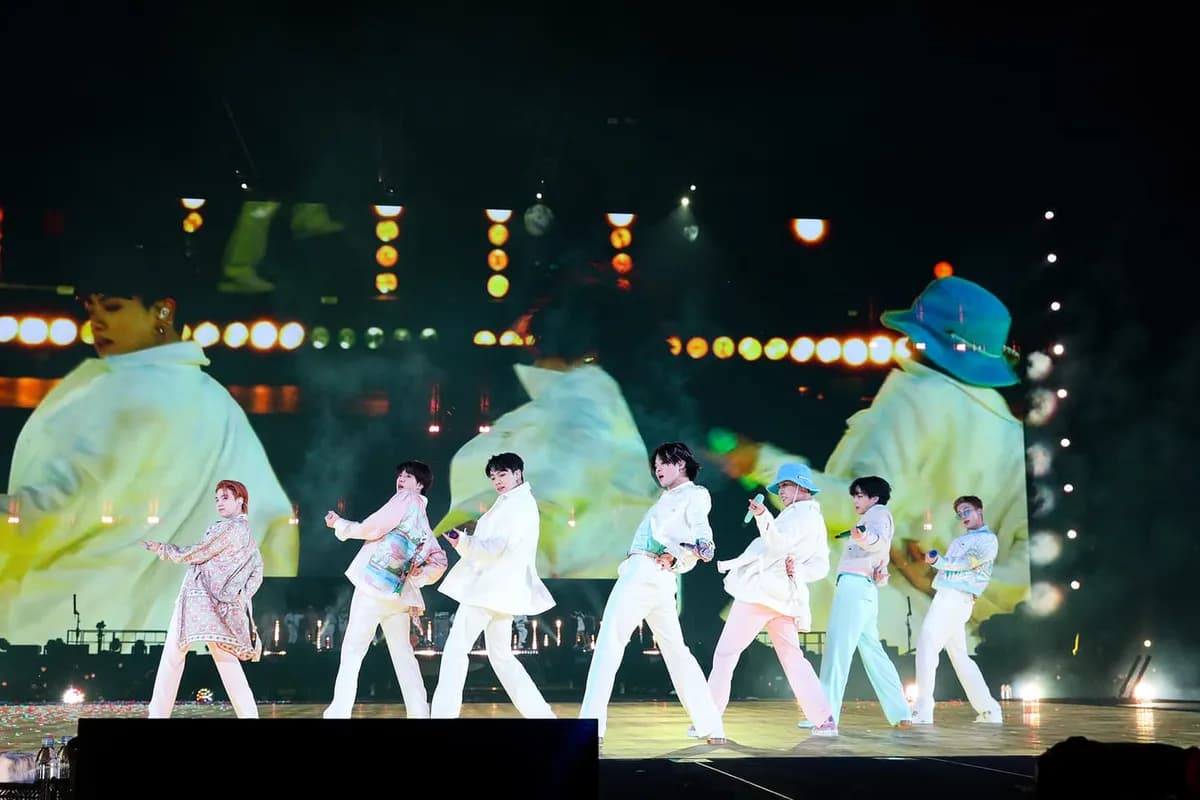
BTS Tops March Artist Brand Reputation Rankings with First Full Group Comeback in 4 Years
BTS ranked first in the Korean Corporate Reputation Research Institute's March Artist Brand Reputation Rankings based on 99 million data points.