Why Students at a Prestigious University Rebelled Against AI Art Classes
University of New South Wales faces petition with 500 signatures opposing AI image generation course
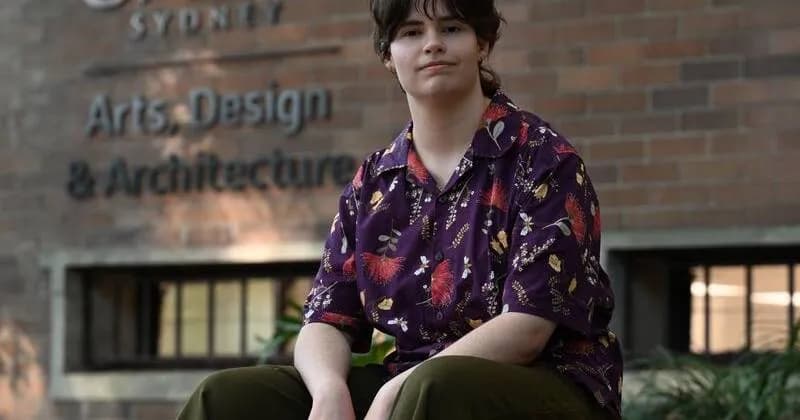
- •500 students at Australia's University of New South Wales signed a petition to abolish an AI art course
- •Students argue that generative AI is a plagiarism machine that learns from artists' work without consent
- •The university counters that education is needed to critically understand and utilize AI
Should Generative AI Be Introduced to Art Education?
The University of New South Wales (UNSW) in Australia is facing fierce opposition from students over a course titled 'Generative AI for Artists' scheduled to begin in September.
The course teaches how to create images, text, sound, video, and 3D works using AI, while also addressing ethical aspects of AI use such as copyright, data usage, and energy consumption. Fewer than 20 students have enrolled so far.
Robyn Chessel (22), a fourth-year student double-majoring in art and secondary education, initiated a petition demanding the course's cancellation and has gathered approximately 500 signatures. Chessel stated, "Not only art students but even people with no art background whatsoever are very concerned about AI."
Petition signatories argued that "generative AI cannot create anything new; it only corrupts and ruins what already exists," calling it "a plagiarism machine and a tool that steals the soul from art."
Why Students Are Rejecting AI
Students' concerns stem from the very nature of how generative AI operates. Most AI models are trained on vast datasets collected without the consent of artists and writers, violating the rights of original creators in the process.
Additionally, AI can be misused to generate misinformation, propaganda, and pornographic content, and there are environmental concerns about the enormous amounts of electricity and water consumed in server operations.
Chessel, who works in drawing, textiles, and video, believes her work has likely already been used for AI training after being posted on social media. However, what she fears most is the phenomenon of 'AI slop.' She worries about a situation where mass-produced, low-quality AI-generated content floods the internet, preventing genuine artworks from receiving attention.
The University's Position: Education for Critical Thinking
Associate Professor Oliver Bown, who teaches the course, is an expert who has researched generative art for over 20 years. While he largely agrees with students' concerns, he argues that canceling the course would be wrong.
"We are a university. We should encourage free thinking and open discussion, so it's not right to shut down a course simply because it deals with generative AI. However, the basic perspective of the petition—that AI has serious negative impacts on the cultural and creative industries, particularly on artists—is entirely valid."
Associate Professor Bown emphasizes that the technology itself can be used ethically. For example, he suggests that students could train AI using only their own work, noting that AI's problems stem from commercial motivations.
A UNSW spokesperson stated that "this course aligns with the university's environmental sustainability plan and AI ethical use guidelines, providing students with tools to understand and question the role of generative AI in the arts."
The Dilemma of Art Education
This controversy reveals fundamental questions facing art education. Should new technologies be included in curricula so students can engage with them critically, or should technologies that undermine the essence of art be excluded?
Students' opposition is not simply a rejection of technology. It contains the desperation of feeling their identity and livelihood as artists are threatened. They fear a vicious cycle where posting work on social media immediately turns it into AI training data without consent, and that AI, trained on their work, then takes away artists' jobs.
Conversely, the university argues that rather than unconditionally rejecting AI, students need to develop the ability to deeply understand its operating principles and ethical issues and use it critically.
The fact that fewer than 20 students have enrolled reflects students' resistance. Attention will focus on how the petition campaign unfolds before the September semester begins and how the university addresses students' concerns.
[AI Analysis] Where Is the Future of Art Education Heading?
This incident is likely a precursor to issues that art education institutions worldwide will soon face. Generative AI has already penetrated various creative fields including commercial design, illustration, and music production, and ignoring it is not realistic.
Art education may diverge in two directions in the future. One is a 'pure art' track emphasizing traditional techniques and human creativity, and the other is a 'hybrid art' track utilizing various tools including AI.
What's important is that students' concerns are not simply fear of technology but legitimate ethical questions. As long as AI companies don't resolve copyright issues, conflicts in art education settings will continue.
While introducing AI education, universities must establish concrete measures to protect students' work from being used as training data without permission. Without combining technology education with ethical protection, such opposition will only intensify.
댓글 (3)
흥미로운 주제입니다. 주변에도 공유해야겠어요.
기사 잘 봤습니다. 다른 시각의 분석도 읽어보고 싶네요.
그 부분은 저도 궁금했습니다.
More in AI & Tech

Reddit Considers Face ID to Block Bots While Maintaining Anonymity
China Reduces Hypersonic Missile Core Technology Simulation to 7 Days

BTS Gwanghwamun Concert: AI Network Prevents Communication Crisis for 40,000 Fans

Czech Drone Factory Fire Under Investigation for Terrorism
Trump Slams NATO Allies as 'Cowards' Over Strait of Hormuz Refusal

Google Unveils Gemini 3.1 Flash-Lite Optimized for High-Volume Processing
Latest News

이스라엘, 헤즈볼라 무기 통로 레바논 다리 공습
이스라엘군, 헤즈볼라 무기 통로 레바논 다리 공습
중동행 전세기 전쟁보험료 최고 7천500만원
중동행 전세기 전쟁보험료가 최고 5만달러(7천500만원)로 상승

이란 탄도미사일, 이스라엘 방어망 뚫고 160명 부상
이란 탄도미사일이 이스라엘 방공망을 통과해 160명 부상
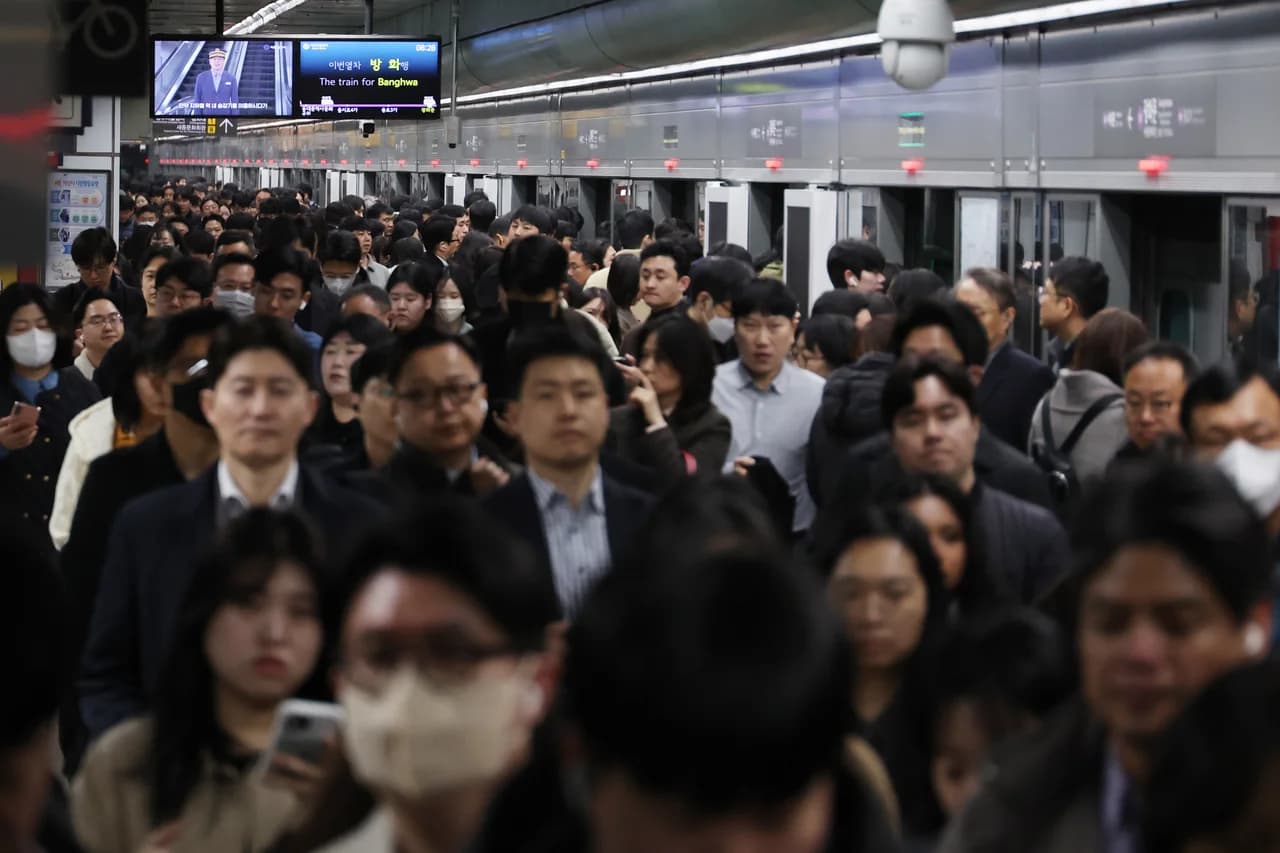
Middle East Conflict Drives Manufacturing Outlook to 10-Month Low
The Korea Institute for Industrial Economics & Trade survey shows April manufacturing outlook PSI plummeted to 88, falling below baseline for the first time in 10 months.

Lee Jae-myung Administration Excludes Multi-Home Officials from Real Estate Policymaking
President Lee Jae-myung has ordered the exclusion of multi-home owning public officials from all real estate policy processes.

Southeast Asia Growth Forecasts Cut Amid Oil Price Surge, Threatening Korean Exports
Maybank Research has downgraded ASEAN-6's 2026 growth forecast from 4.8% to 4.5%.

Volkswagen CEO Says Germany Should Learn from China's Industrial Strategy
Volkswagen CEO stated that Germany should learn from China's systematic industrial planning approach.
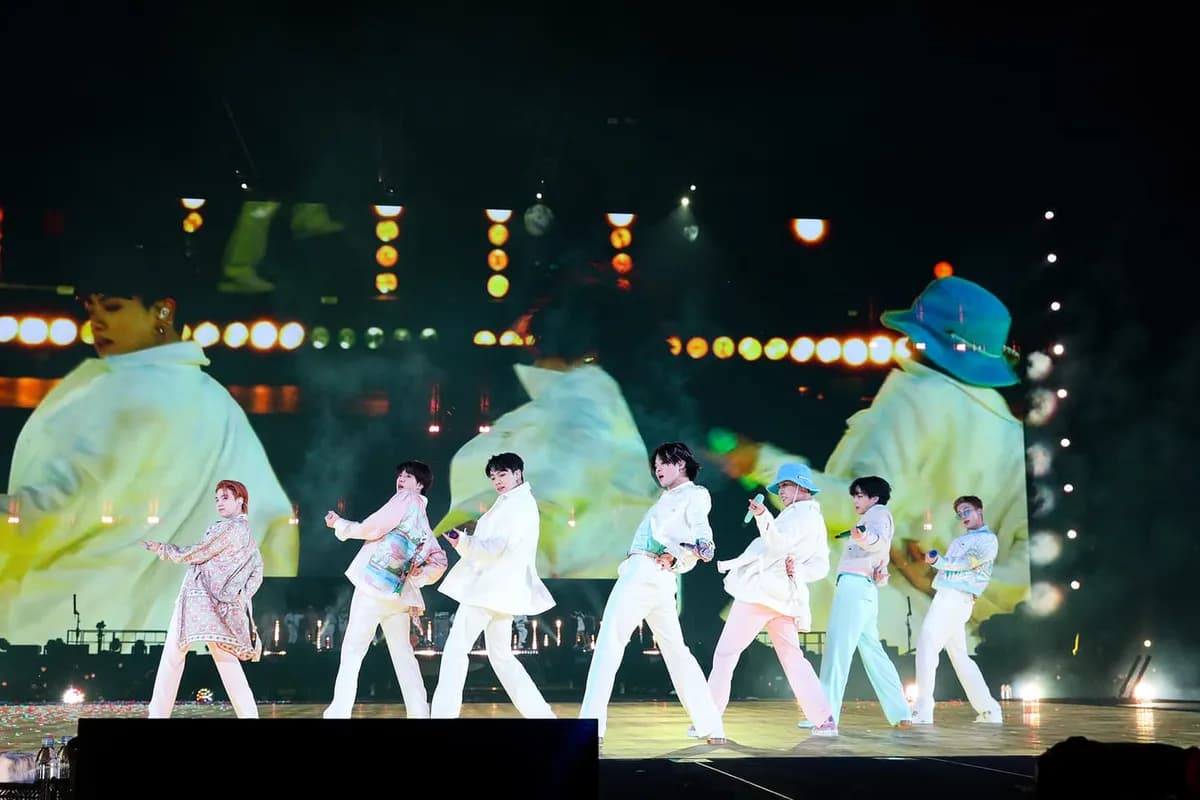
BTS Tops March Artist Brand Reputation Rankings with First Full Group Comeback in 4 Years
BTS ranked first in the Korean Corporate Reputation Research Institute's March Artist Brand Reputation Rankings based on 99 million data points.