U.S.-Russia Nuclear Arms Treaty Expires, Opening Era of Unlimited Nuclear Expansion
New START Treaty Ends February 5... Nuclear Threat Enters New Phase with Emergence of Poseidon Super-Heavy Nuclear Torpedo
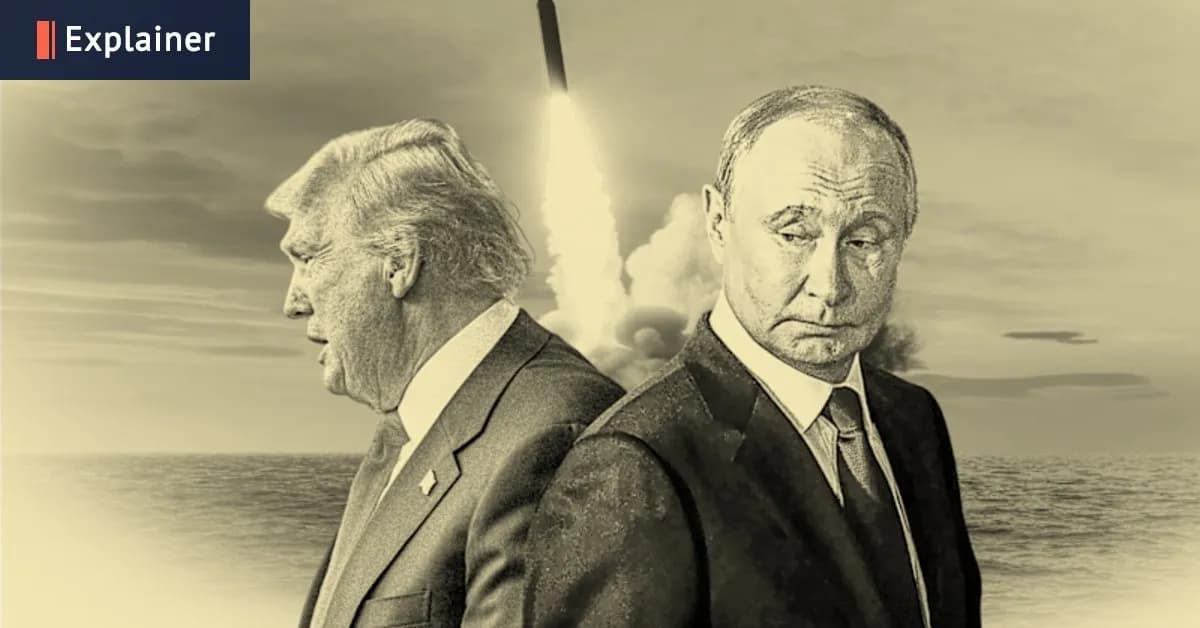
- •The New Strategic Arms Reduction Treaty (New START) between the U.S. and Russia expires on February 5, allowing both nations to expand their nuclear arsenals without the 1,550 warhead limit.
- •Russia plans to deploy 30 100-ton Poseidon nuclear torpedoes on four submarines, while China has rapidly emerged as the world's third-largest nuclear power.
- •Experts warn that the treaty's expiration will lead to U.S.-Russia nuclear rearmament, increased nuclear proliferation risks, and heightened danger of accidental nuclear war.
The End of the Nuclear Arms Control Era
The New Strategic Arms Reduction Treaty (New START), the only remaining nuclear weapons limitation agreement between the United States and Russia, expires on February 5. Once this treaty lapses, both nations will be able to expand their nuclear arsenals without limits on the number of nuclear warheads, intercontinental ballistic missiles (ICBMs), or strategic bombers.
Tilman Ruff, founding chair of the International Campaign to Abolish Nuclear Weapons (ICAN), warned that "in terms of nuclear risk and disarmament, this is a potentially very bleak situation," adding that "we are entering an unprecedented era where the world's two largest nuclear powers are operating without treaty constraints."
Ahead of the treaty's expiration, Russia announced the successful test launch of its Poseidon super-heavy nuclear torpedo. Russian President Vladimir Putin expressed confidence last October, stating "there has never been anything like this before." According to Russian media reports, 30 Poseidon torpedoes will be deployed on four submarines and are scheduled to become operational early next year.
Poseidon: A New Dimension of Nuclear Threat
Poseidon represents a weapon system on an entirely different level from existing nuclear capabilities. Its key specifications are as follows:
| Item | Specifications |
|---|---|
| Length | Train car level (estimated over 20m) |
| Weight | Over 100 tons |
| Propulsion | Onboard miniature nuclear reactor |
| Range | Thousands of km (deep-sea submersion capable) |
| Warhead | Nuclear warhead equipped |
| Deployment | Submarine-launched, virtually undetectable |
This weapon is reportedly capable of neutralizing aircraft carrier strike groups in a single blow or covering coastal cities with radioactive tsunamis. While some military analysts believe Russia's claims may be exaggerated, if even a portion of the advertised capabilities are realized, it is expected to be a game-changer that could reshape the nuclear deterrence landscape.
Professor Stephan Fruehling of the Strategic and Defence Studies Centre at the Australian National University (ANU) assessed that "we are clearly entering an era again where nuclear weapons play a much more central role in national survival."
From Disarmament to Arms Race: Historical Context
Efforts to limit nuclear weapons began with the dawn of the nuclear age. Robert Oppenheimer, who directed the U.S. nuclear development program during World War II, was among the first to advocate for international agreements to avoid an arms race immediately after the war.
During the Cold War, the United States and Soviet Union concluded several nuclear arms reduction treaties. Starting with the Strategic Arms Limitation Treaty (SALT) in 1972, through START I in 1991, and New START in 2010, both nations gradually reduced their nuclear arsenals.
New START limited each country to 1,550 deployed strategic nuclear warheads and a combined total of 700 deployed ICBMs, submarine-launched ballistic missiles (SLBMs), and strategic bombers. Thanks to this treaty, nuclear warheads, which numbered in the tens of thousands during the Cold War, were significantly reduced.
However, after February 5, 2026, these limitations will completely disappear.
China's Rise and the Tripolar Nuclear Order
Complicating the situation further is China's rapid nuclear weapons buildup. China has now emerged as the world's third-largest nuclear power, far surpassing the levels of India, Pakistan, the United Kingdom, and France (whose combined nuclear warheads total approximately 1,000).
| Country | Nuclear Weapons Status |
|---|---|
| United States | Approximately 5,000 (1,550 deployed) |
| Russia | Approximately 5,500 (1,550 deployed) |
| China | Rapidly expanding (exact numbers undisclosed) |
| UK, France, India, Pakistan | Total approximately 1,000 |
| North Korea | Estimated dozens (displayed publicly) |
| Israel | Estimated dozens to hundreds (undisclosed) |
U.S. President Donald Trump has previously expressed willingness to attempt trilateral nuclear arms reduction negotiations including China. However, China has shown a passive attitude toward such proposals and has not disclosed its nuclear weapons count.
New Risks of Nuclear Proliferation
Countries without nuclear weapons also represent potential threat factors. Dozens of nations operating civilian nuclear power plants theoretically possess the capability to develop nuclear weapons. North Korea flaunts its nuclear capabilities, Israel maintains ambiguity about its arsenal, and suspicions about Iran's nuclear development persist.
Following New START's expiration, the United States and Russia are expected to produce new nuclear warheads and redeploy existing stockpiled warheads. Arms control experts worry that this could provide other nations with justification for developing or expanding their nuclear weapons programs.
[Analysis] An Era Without Treaties: What Lies Ahead
The expiration of New START is not merely the end of one treaty but signifies the collapse of the nuclear age arms control regime. The following scenarios are likely to unfold:
First, U.S.-Russia nuclear rearmament. Both nations, freed from treaty constraints, will accelerate the development and deployment of new nuclear warheads. New weapon systems like Russia's Poseidon will be fully deployed, and the United States will likely develop countermeasures.
Second, difficulties in trilateral negotiations including China. The U.S.-Russia-China trilateral negotiations proposed by President Trump have low feasibility. China has little incentive to engage in negotiations that would disadvantage it given its significantly smaller nuclear arsenal compared to the U.S. and Russia.
Third, increased nuclear proliferation risks. As major powers expand their nuclear arsenals, pressure for nuclear development among potential nuclear-capable states such as South Korea, Japan, and Saudi Arabia could intensify. This could shake the foundations of the Non-Proliferation Treaty (NPT) regime.
Fourth, heightened risk of accidental nuclear war. When the treaty was in effect, mutual verification mechanisms and transparency guarantees were operational, but now even those are gone. The possibility of nuclear war breaking out due to miscalculation and misunderstanding will inevitably increase.
The "nuclear arms race" that Oppenheimer warned about 80 years ago faces the crisis of reemerging in the 21st century. Humanity is once again returning to an era where nuclear weapons become a core element of national survival.
댓글 (5)
간결하면서도 핵심을 잘 정리한 기사네요.
Nuclear에 대해 더 알고 싶어졌습니다. 후속 기사 부탁드립니다.
좋은 의견이십니다.
Arms 관련 기사 잘 읽었습니다. 유익한 정보네요.
좋은 의견이십니다.
More in this series
More in AI & Tech

Reddit Considers Face ID to Block Bots While Maintaining Anonymity
China Reduces Hypersonic Missile Core Technology Simulation to 7 Days

BTS Gwanghwamun Concert: AI Network Prevents Communication Crisis for 40,000 Fans
Czech Drone Factory Fire Under Investigation for Terrorism
Trump Slams NATO Allies as 'Cowards' Over Strait of Hormuz Refusal

Google Unveils Gemini 3.1 Flash-Lite Optimized for High-Volume Processing
Latest News
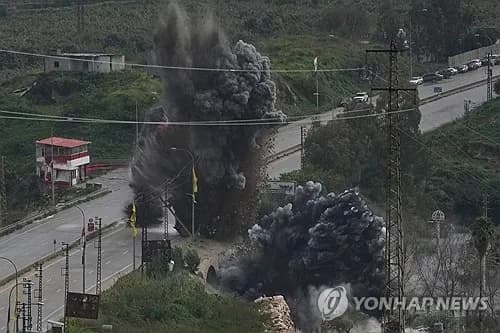
이스라엘, 헤즈볼라 무기 통로 레바논 다리 공습
이스라엘군, 헤즈볼라 무기 통로 레바논 다리 공습
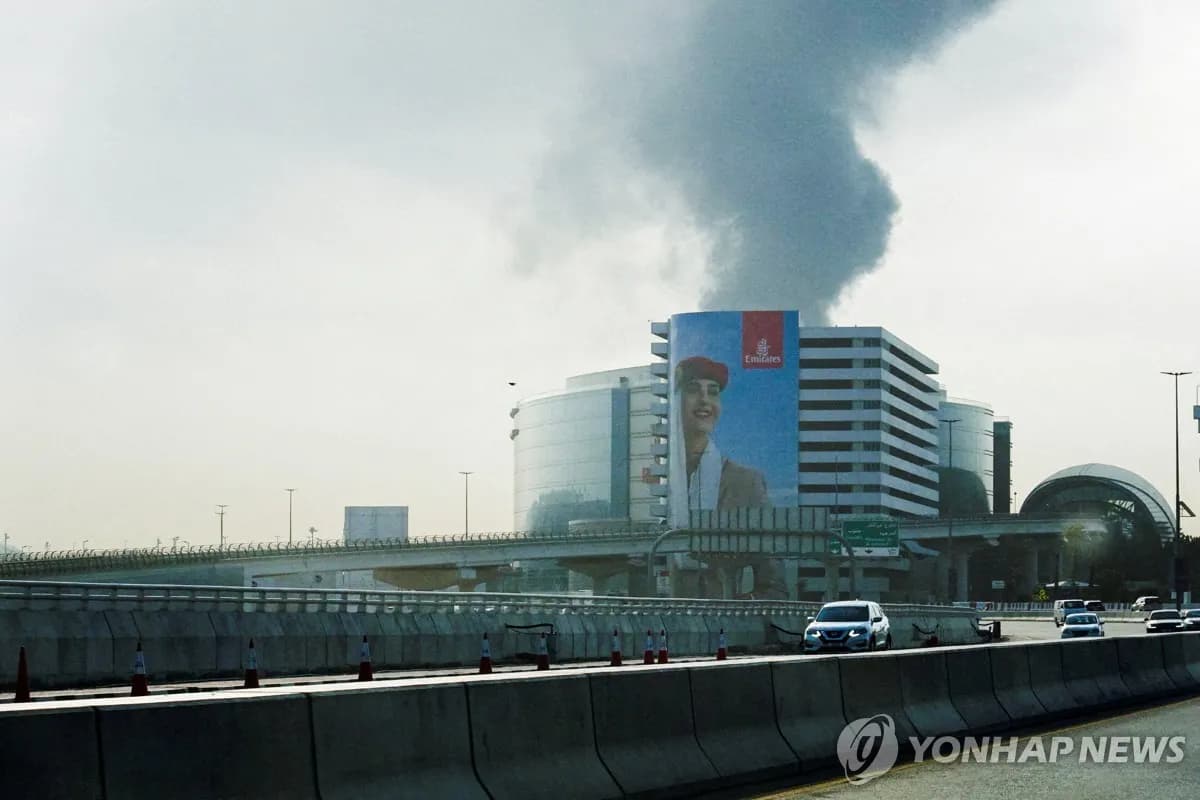
중동행 전세기 전쟁보험료 최고 7천500만원
중동행 전세기 전쟁보험료가 최고 5만달러(7천500만원)로 상승

이란 탄도미사일, 이스라엘 방어망 뚫고 160명 부상
이란 탄도미사일이 이스라엘 방공망을 통과해 160명 부상

Middle East Conflict Drives Manufacturing Outlook to 10-Month Low
The Korea Institute for Industrial Economics & Trade survey shows April manufacturing outlook PSI plummeted to 88, falling below baseline for the first time in 10 months.
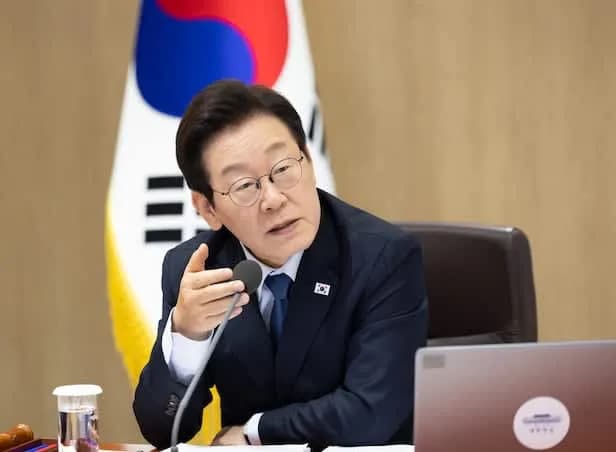
Lee Jae-myung Administration Excludes Multi-Home Officials from Real Estate Policymaking
President Lee Jae-myung has ordered the exclusion of multi-home owning public officials from all real estate policy processes.

Southeast Asia Growth Forecasts Cut Amid Oil Price Surge, Threatening Korean Exports
Maybank Research has downgraded ASEAN-6's 2026 growth forecast from 4.8% to 4.5%.

Volkswagen CEO Says Germany Should Learn from China's Industrial Strategy
Volkswagen CEO stated that Germany should learn from China's systematic industrial planning approach.
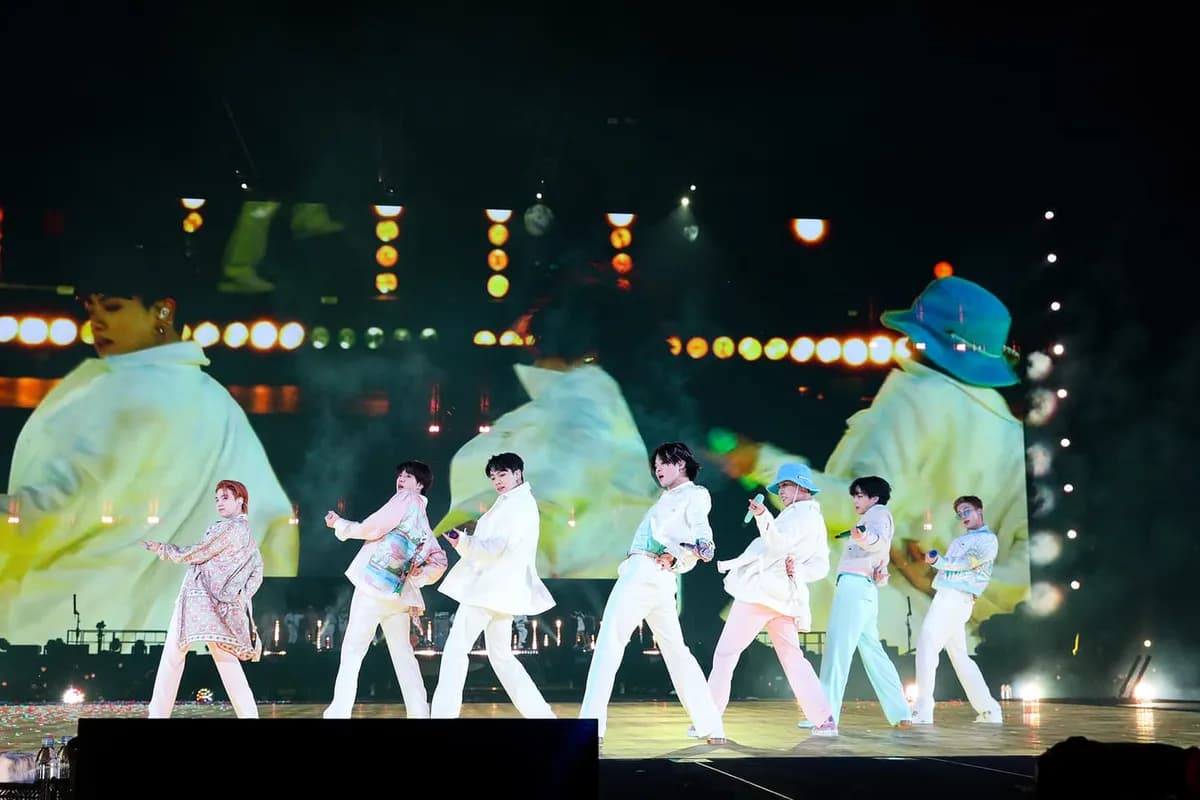
BTS Tops March Artist Brand Reputation Rankings with First Full Group Comeback in 4 Years
BTS ranked first in the Korean Corporate Reputation Research Institute's March Artist Brand Reputation Rankings based on 99 million data points.