Learning AI at Home, Demanding Regulation at Work
86% of Australian workers use AI in personal life… Demand transparency and security in workplace applications

- •86% of Australian knowledge workers use AI in their personal lives, with 71% saying this experience increased their trust in AI at work.
- •47% of workers demand increased transparency and control over AI tools, while 43% want security and privacy protection rules.
- •Salesforce defines 2026 as the year AI must 'graduate' into a practical productivity tool, emphasizing the urgent need for management to establish guardrails.
Personal AI Usage Builds Workplace Trust
A survey conducted by software company Salesforce of 2,132 knowledge workers in Australia and New Zealand found that 86% use artificial intelligence (AI) in their personal lives. This research, conducted jointly with YouGov, included workers from various fields such as law, finance, marketing, technology, research, and consulting.
Notably, personal AI experience positively influences technology adoption in the workplace. 71% of respondents said their home AI experience helped them trust AI at work. Additionally, 76% experimented with AI agents that perform multiple tasks, and the majority expected AI to positively impact their work within the next two years.
Why Personal AI Experience Increases Workplace Trust
Kevin Doyle, Salesforce Regional Vice President, explained that "using AI in personal life provides an environment for testing" and "understanding AI's limitations and experiencing hallucination phenomena in situations where failure is acceptable naturally increases understanding of the technology."
This goes beyond simply learning how to use AI tools—it allows users to directly experience the technology's limitations and appropriate scope of application. Through activities like planning weekends with ChatGPT or creative work with image generation tools, users encounter instances where AI provides inaccurate answers or misunderstands context, which translates into the ability to critically utilize AI in work environments.
Heidi Verlaan, Brand Manager at student accommodation provider Scape, shared: "After receiving AI training at work, I started using ChatGPT to plan my weekends at home," adding "learning in personal life applied to work, and I'm now using Microsoft Copilot to improve meeting management and communication."
2026: AI Must 'Graduate'
However, accumulated personal experience doesn't mean workers unconditionally welcome AI. Survey results showed 47% demanded increased transparency and control over AI tools, while 43% wanted strict rules regarding security and privacy protection.
Vice President Doyle emphasized: "Knowledge workers showed great patience during 2024 and 2025, but 2026 must be the year AI 'graduates' to become practically usable. Patience is running thin, and they expect management to establish appropriate guardrails."
This demand aligns with recent Australian policy movements. Microsoft signed an agreement with the Australian Council of Trade Unions (ACTU) regarding AI tool design and regulations, and the Australian government announced the National AI Plan last month to encourage AI technology investment.
Personal vs. Workplace AI Usage Comparison
| Category | Personal Life | Work Environment |
|---|---|---|
| Usage Rate | 86% | Not specified (presumed lower than personal) |
| Primary Uses | Weekend planning, creative activities, information search | Meeting management, communication improvement, document creation |
| Trust Level | Understanding limitations through experimentation | 71% increased trust through personal experience |
| Requirements | Free experimental environment | Transparency (47%), security rules (43%) |
| Risk Management | Personal responsibility | Organizational guardrails needed |
[AI Analysis] 2026: The Turning Point for Workplace AI
This survey demonstrates that 'personal learning' plays an important catalytic role in AI technology adoption. Particularly notable is that workers want a balance between regulation and autonomy rather than unconditional AI implementation.
If 2024-2025 was the experimental phase for AI tools, 2026 is likely to be the year they become established as genuine productivity tools. However, this requires companies to go beyond simply providing AI tools to specify clear usage guidelines, data governance, and liability for errors.
Especially as tools like AI agents that autonomously perform multiple tasks spread, structures that allow employees to understand AI's decision-making processes and intervene when necessary become essential. The Microsoft-ACTU agreement and Australia's National AI Plan present this direction, and other countries and companies are expected to take similar approaches.
Ultimately, 2026 will be the year AI moves from the 'laboratory' to the 'boardroom,' and its success depends not on the technology itself but on how well the balance between trust and regulation is achieved.
댓글 (4)
기사 잘 봤습니다. 다른 시각의 분석도 읽어보고 싶네요.
그 부분은 저도 궁금했습니다.
AI 관련 기사 잘 읽었습니다. 유익한 정보네요.
흥미로운 주제입니다. 주변에도 공유해야겠어요.
More in AI & Tech

Reddit Considers Face ID to Block Bots While Maintaining Anonymity

China Reduces Hypersonic Missile Core Technology Simulation to 7 Days

BTS Gwanghwamun Concert: AI Network Prevents Communication Crisis for 40,000 Fans

Czech Drone Factory Fire Under Investigation for Terrorism

Trump Slams NATO Allies as 'Cowards' Over Strait of Hormuz Refusal

Google Unveils Gemini 3.1 Flash-Lite Optimized for High-Volume Processing
Latest News

이스라엘, 헤즈볼라 무기 통로 레바논 다리 공습
이스라엘군, 헤즈볼라 무기 통로 레바논 다리 공습

중동행 전세기 전쟁보험료 최고 7천500만원
중동행 전세기 전쟁보험료가 최고 5만달러(7천500만원)로 상승

이란 탄도미사일, 이스라엘 방어망 뚫고 160명 부상
이란 탄도미사일이 이스라엘 방공망을 통과해 160명 부상
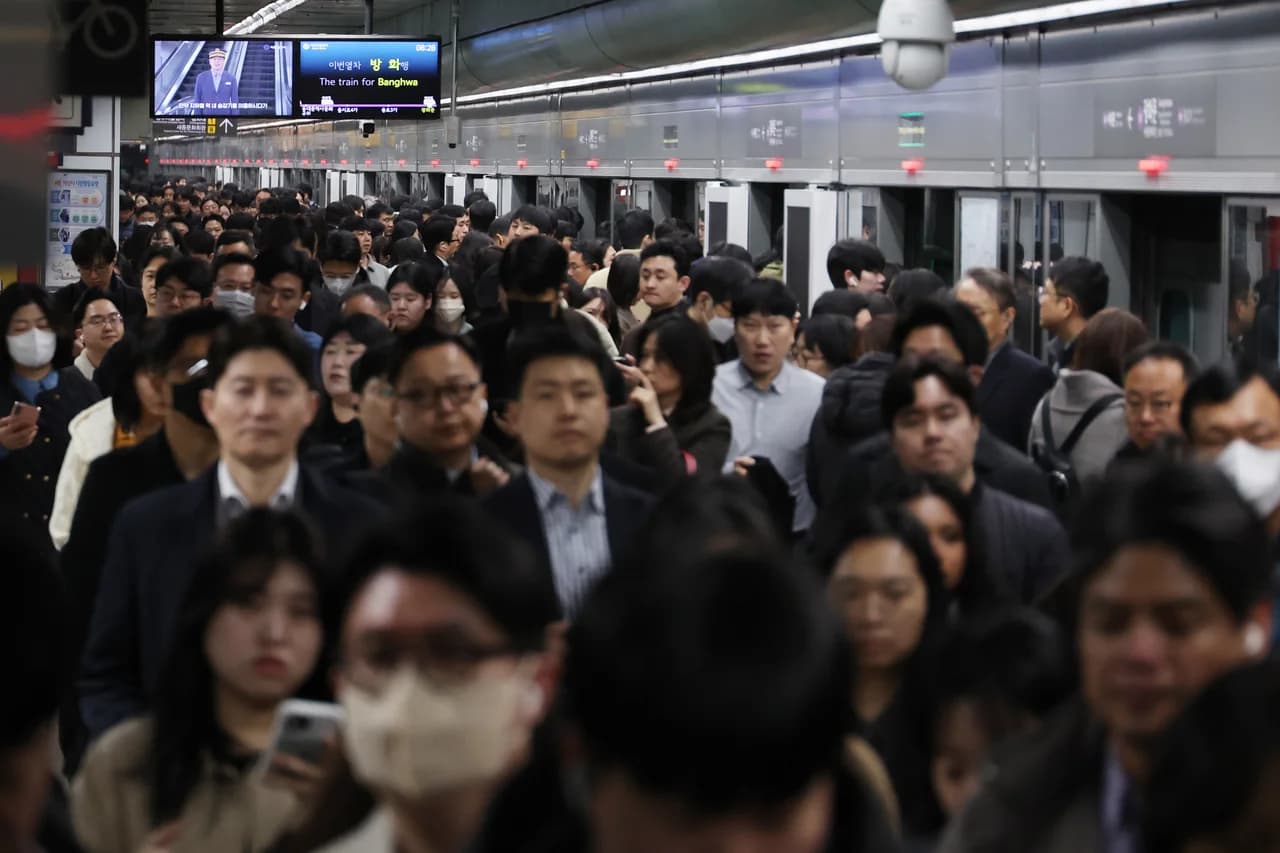
Middle East Conflict Drives Manufacturing Outlook to 10-Month Low
The Korea Institute for Industrial Economics & Trade survey shows April manufacturing outlook PSI plummeted to 88, falling below baseline for the first time in 10 months.

Lee Jae-myung Administration Excludes Multi-Home Officials from Real Estate Policymaking
President Lee Jae-myung has ordered the exclusion of multi-home owning public officials from all real estate policy processes.

Southeast Asia Growth Forecasts Cut Amid Oil Price Surge, Threatening Korean Exports
Maybank Research has downgraded ASEAN-6's 2026 growth forecast from 4.8% to 4.5%.
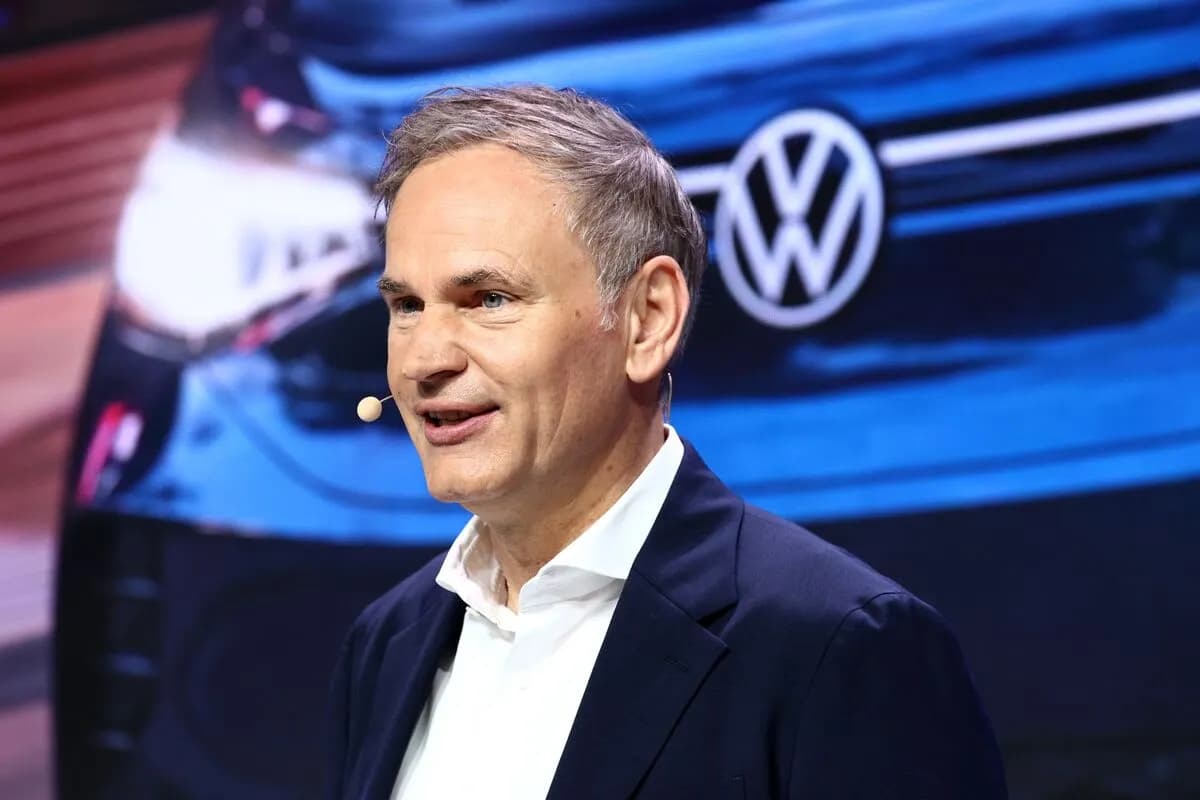
Volkswagen CEO Says Germany Should Learn from China's Industrial Strategy
Volkswagen CEO stated that Germany should learn from China's systematic industrial planning approach.

BTS Tops March Artist Brand Reputation Rankings with First Full Group Comeback in 4 Years
BTS ranked first in the Korean Corporate Reputation Research Institute's March Artist Brand Reputation Rankings based on 99 million data points.