Croatian Drone Company Orqa: The Duality of Civilian Technology Turned Military Weapon
From Hobby Drones to Ukrainian Front Lines: 7-Year Journey to Global Defense Contractor
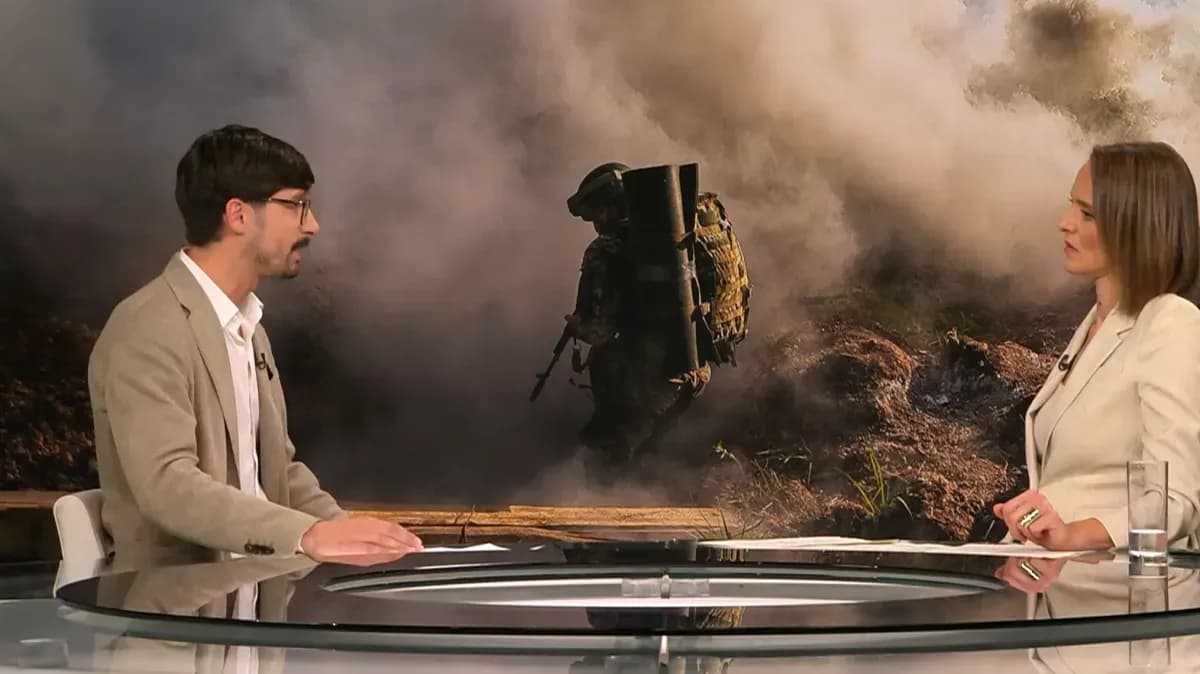
- •Croatian drone company Orqa unveiled its self-developed military drone at the Zagreb military parade on July 31st, having grown from hobby products into a defense contractor exporting to 60 countries.
- •Since the 2022 Ukraine War, the global military drone market has grown to $20 billion, with over $2 billion invested in drones in Ukraine in 2024 alone.
- •Orqa manufactures all components in-house in Osijek, Croatia through vertically integrated production, representing a prime example of dual-use technology where civilian technology converts to military weapons.
Star of Croatian Military Parade
Orqa, a drone manufacturer based in Osijek, Croatia, is set to unveil its multi-purpose military drone at the Zagreb military parade on July 31st. This drone, supplied to the Croatian Ministry of Defense and military, performs reconnaissance, data collection, and operational support with day and night operational capabilities.
Co-founder Ivan Jelušić expressed pride in an RTL interview, stating "the complete system was produced 100% in Croatia." He noted that "while the drone will only be displayed statically at the parade, interesting details will be revealed tomorrow."
From Hobby to Battlefield: Seven Years of Transformation
Orqa first gained attention by winning Croatia's 2018 startup competition "Idea Knockout." Their product at the time was FPV goggles (First-Person View Goggles) for drone piloting—civilian technology for people flying drones as a weekend hobby in parks.
Jelušić explained: "The technology itself hasn't changed much. What's changed is the user. Pilots who flew drones in parks on weekends now use the same equipment in uniform on the battlefield."
Ukraine War Transforms Drone Industry
The 2022 Russia-Ukraine War marked a turning point for the global drone industry. As civilian drones were converted to military use on a massive scale, they emerged as a key tool for asymmetric warfare.
Jelušić noted that "in 2024 alone, over $2 billion was invested in drones in Ukraine," adding that "in the past, attacking important targets required equivalent resources, but now drones provide disproportionate advantages with minimal investment."
The global military drone market currently stands at approximately $20 billion and is growing at over 20% annually. This has enabled even small nations to acquire effective defensive and offensive capabilities at low cost.
Export to 60 Countries, Vertically Integrated Production
Orqa currently exports drones and related equipment to 50-60 countries worldwide. However, Jelušić declined to name specific countries, noting that "in this industry, it's customary not to publicly mention clients."
Notably, Orqa has established a vertically integrated production system, developing and manufacturing all electronic components and technology in-house, minimizing dependence on external component suppliers. This structure largely insulates them from international trade disputes like the recent US-China tariff war.
Layer 3 — Civilian vs. Military Drones Comparison
| Category | Initial Civilian (2018) | Current Military (2025) |
|---|---|---|
| Primary Users | Hobby pilots | Military operators |
| Operating Environment | Parks, leisure facilities | Battlefields, border surveillance |
| Functions | Video recording, racing | Reconnaissance, target designation, operational support |
| Production Scale | Small-scale orders | Defense contracts, mass production |
| Market Size | Millions (hobby market) | $20 billion (military drones) |
| Technical Differences | Minimal (same FPV technology) | Added night operations, encrypted communications |
Layer 3a — History of Drone Militarization
Military drone use accelerated during Middle East conflicts in the 2010s. Initially, expensive large drones like the US Predator and Reaper dominated. However, the 2020 Nagorno-Karabakh War, where Azerbaijan overwhelmed Armenian forces with low-cost Turkish drones, demonstrated the "strategic value of small drones."
The 2022 Ukraine War maximized this trend. Chinese civilian drones like DJI were extensively used for reconnaissance, and both sides deployed FPV drones fitted with explosives as "kamikaze drones" in large numbers. This signified drones evolving beyond reconnaissance into direct strike weapons.
European small and medium enterprises like Orqa grew by emphasizing "self-production systems reducing dependence on Chinese components" amid this trend.
Layer 4 — Future Outlook [AI Analysis]
1. Sustained Growth in Defense Drone Market
The global military drone market is likely to exceed $40 billion by 2030. Eastern Europe and the Baltic states, in particular, are expected to accelerate drone adoption in response to Russian threats.
2. Rise of AI Autonomous Drones
While current FPV drones require human operators, AI-based autonomous strike drones will likely become mainstream. This will pose new challenges to international arms control regimes alongside ethical controversies (killer robot regulation).
3. Dual-Use Technology Dilemma
The Orqa case demonstrates "how easily civilian technology converts to military weapons." Governments may strengthen export controls on drone components, impacting global supply chains.
4. Croatia as Defense Hub
Croatia is positioning itself as a "NATO member with indigenous defense technology" among mid-sized European nations. Orqa's success suggests the Balkans may emerge as Europe's drone production hub.
An Era Where Military-Civilian Boundaries Disappear
Orqa's story isn't simply one startup's success tale. It reveals an era where technology's purpose is determined by its users. The reality where weekend hobby drones become battlefield reconnaissance equipment, and gaming FPV goggles become military target designation systems.
As Jelušić stated, "the technology remains the same, but the users changed"—an ethical and strategic question all advanced technology companies will face. Whether drones become tools that save lives or weapons of destruction ultimately depends on how we use them.
댓글 (4)
팩트에 기반한 냉정한 판단이 필요한 시점입니다.
이 사안은 신중하게 접근해야 한다고 봅니다.
Company 문제는 양쪽 입장을 모두 들어봐야 할 것 같습니다.
균형 잡힌 시각이 필요하다는 데 동의합니다.
More in AI & Tech

Reddit Considers Face ID to Block Bots While Maintaining Anonymity
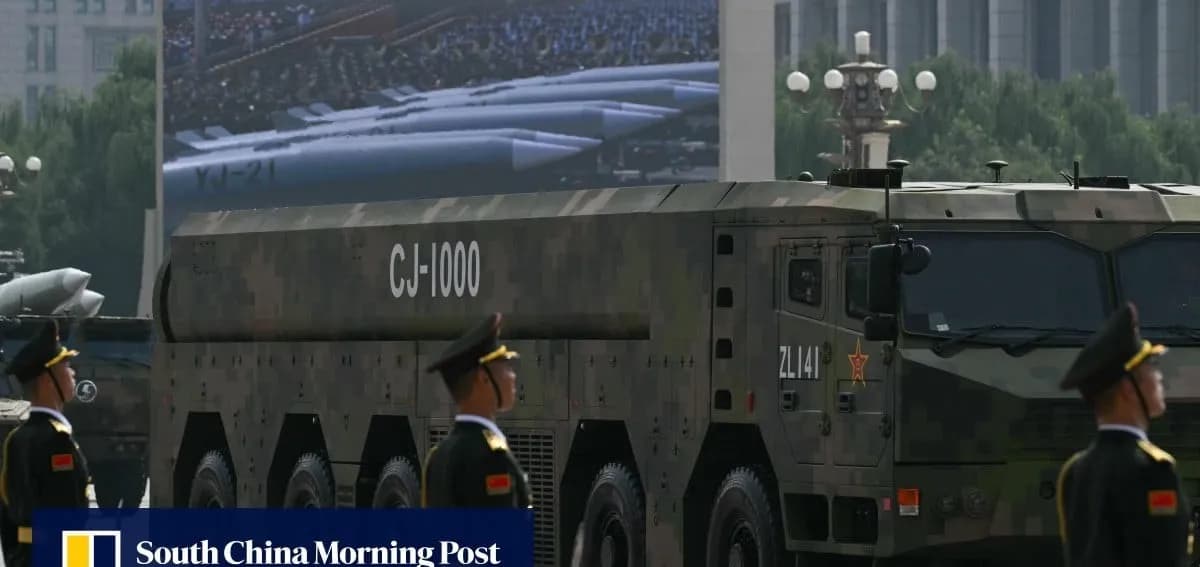
China Reduces Hypersonic Missile Core Technology Simulation to 7 Days

BTS Gwanghwamun Concert: AI Network Prevents Communication Crisis for 40,000 Fans
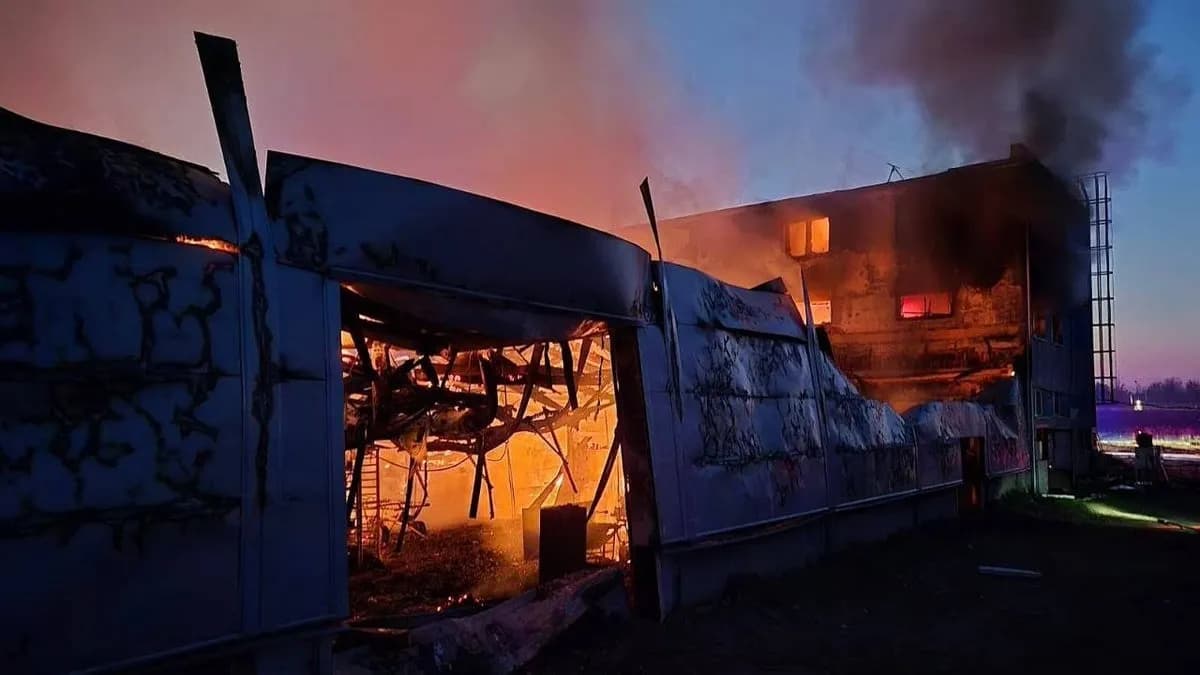
Czech Drone Factory Fire Under Investigation for Terrorism

Trump Slams NATO Allies as 'Cowards' Over Strait of Hormuz Refusal

Google Unveils Gemini 3.1 Flash-Lite Optimized for High-Volume Processing
Latest News
이스라엘, 헤즈볼라 무기 통로 레바논 다리 공습
이스라엘군, 헤즈볼라 무기 통로 레바논 다리 공습

중동행 전세기 전쟁보험료 최고 7천500만원
중동행 전세기 전쟁보험료가 최고 5만달러(7천500만원)로 상승
이란 탄도미사일, 이스라엘 방어망 뚫고 160명 부상
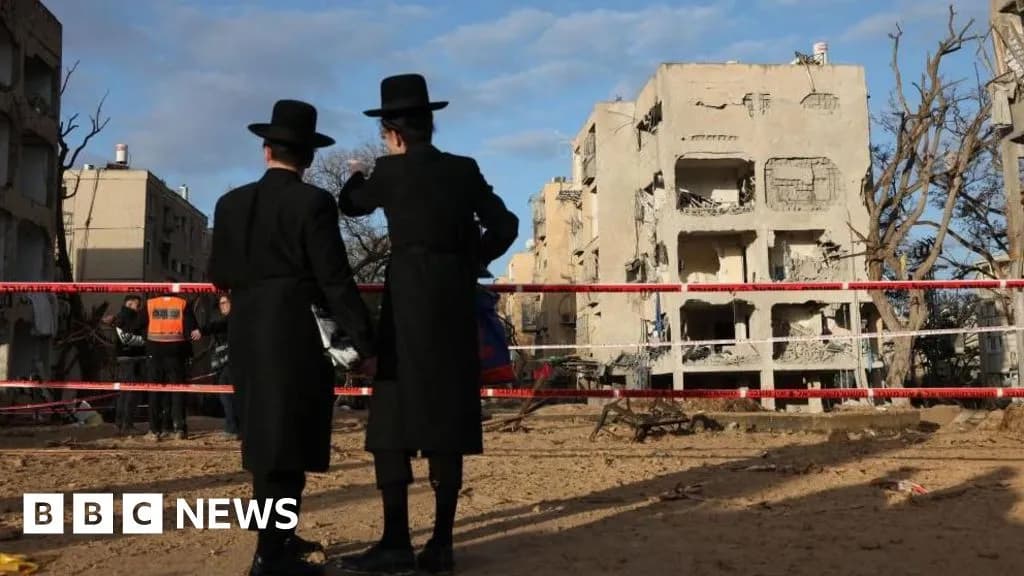
이란 탄도미사일이 이스라엘 방공망을 통과해 160명 부상

Middle East Conflict Drives Manufacturing Outlook to 10-Month Low
The Korea Institute for Industrial Economics & Trade survey shows April manufacturing outlook PSI plummeted to 88, falling below baseline for the first time in 10 months.

Lee Jae-myung Administration Excludes Multi-Home Officials from Real Estate Policymaking
President Lee Jae-myung has ordered the exclusion of multi-home owning public officials from all real estate policy processes.

Southeast Asia Growth Forecasts Cut Amid Oil Price Surge, Threatening Korean Exports
Maybank Research has downgraded ASEAN-6's 2026 growth forecast from 4.8% to 4.5%.

Volkswagen CEO Says Germany Should Learn from China's Industrial Strategy
Volkswagen CEO stated that Germany should learn from China's systematic industrial planning approach.
BTS Tops March Artist Brand Reputation Rankings with First Full Group Comeback in 4 Years
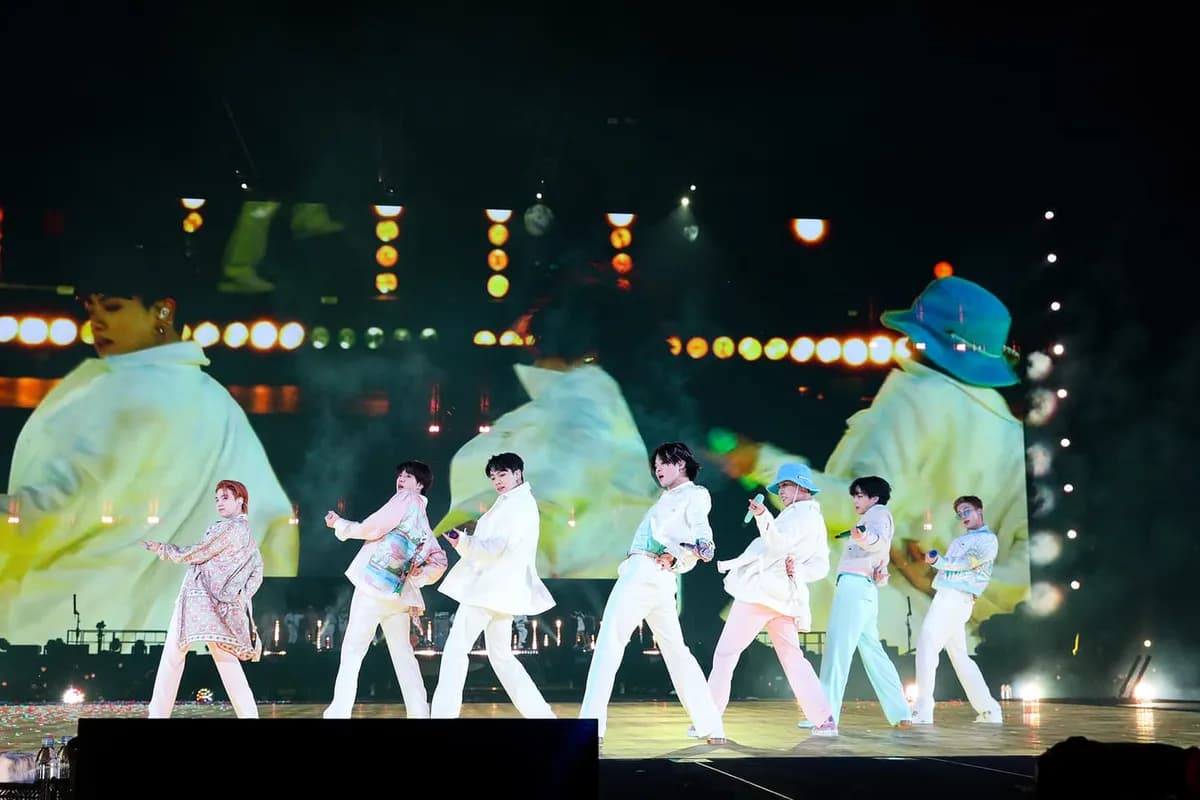
BTS ranked first in the Korean Corporate Reputation Research Institute's March Artist Brand Reputation Rankings based on 99 million data points.