Trump's Semiconductor Tariff Push Threatens Taiwan's Economy
Semiconductors Account for 70% of ICT Exports; Targeted Tariffs Expected to Hit Harder Than 20% Blanket Tariff
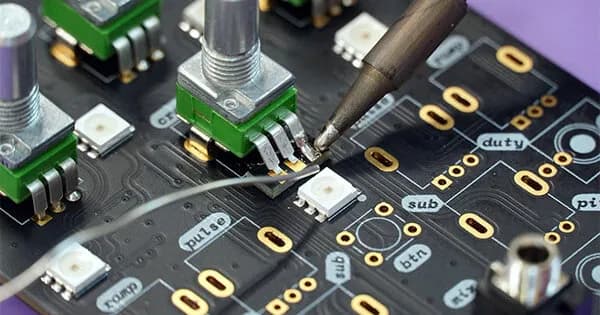
- •Trump administration launches Section 232 Trade Expansion Act investigation targeting semiconductor tariffs, putting Taiwan's economy on alert
- •Taiwan's ICT exports to U.S. exceed 70%, with 2024 trade surplus of $73.9 billion up 54% year-over-year
- •TSMC committed total $165 billion investment in U.S. but warns tariffs would collapse investment strategy
Taiwan on Alert Over Trump's Semiconductor Tariff Threat
Taiwan faces a serious economic crisis amid concerns that U.S. President Donald Trump may impose tariffs on semiconductors. The Chung-Hua Institution for Economic Research (CIER) forecasts that Taiwan's semiconductor industry—the backbone of its economy—will be directly hit by U.S. tariff policies.
According to CIER, information and communication technology (ICT) products account for more than 70% of Taiwan's exports to the United States, with semiconductors at the core. In 2024, Taiwan's trade surplus with the U.S. reached $73.9 billion (approximately 102 trillion won), up 54% from $47.8 billion the previous year, primarily driven by increased American demand for AI servers and semiconductors.
Targeted Semiconductor Tariffs More Dangerous Than Blanket Tariffs
CIER President Lien Hsien-ming noted, "Compared to other countries, Taiwan has an overwhelmingly high economic dependence on the semiconductor industry," adding that "President Trump views the trade deficit caused by imports of high-tech products like semiconductors very seriously."
In April, the Trump administration launched an investigation targeting ICT products, particularly semiconductors, based on Section 232 of the Trade Expansion Act of 1962. President Lien warned, "Targeted semiconductor tariffs will deliver a bigger shock to Taiwan's economy than the 20% blanket tariff announced by the White House on Thursday."
While the blanket tariff rate was reduced from the 32% Trump initially proposed on April 2 to 20%, industry observers believe tariffs targeting specific industries could be set much higher than blanket tariffs.
Taiwan Government Responds with Negotiation Strategy
Taiwan President Lai Ching-te stated that the 20% tariff is provisional and pledged to secure lower rates through continued negotiations with the United States. Taiwan's negotiation team plans to discuss semiconductor issues directly with U.S. counterparts.
President Lien interpreted Lai's remarks as showing "the government recognizes the possibility of semiconductor tariffs as a real threat to Taiwan's economy."
CIER Vice President Chen Hsin-hung projected, "Looking at the current U.S. negotiation tactics, tariffs targeting specific industries like semiconductors are likely to be imposed at higher levels than general blanket tariffs."
TSMC Warns of Impact on U.S. Investment Strategy
Taiwan Semiconductor Manufacturing Company (TSMC), the world's largest foundry, has already invested $65 billion (approximately 90 trillion won) in Arizona and committed to an additional $100 billion (approximately 138 trillion won) in investment.
In a May letter to the U.S. Department of Commerce, TSMC warned, "New import restrictions on Taiwan-made semiconductors could significantly dampen demand and collapse our investment strategy," adding that it "would create uncertainty for semiconductor capital projects in the United States, including TSMC Arizona's massive investment plans in Phoenix."
Phased Tariff Increase Scenario
Vice President Chen analyzed that Trump is using Section 232 as a strategic tool to pressure foreign companies to invest in the U.S. He noted, "The U.S. government knows that foreign chip manufacturers cannot build new production facilities in the U.S. in a short time, but tariffs could be introduced in phases."
"Section 232 tariffs could start at low levels and increase gradually over the next 2-3 years."
U.S. Commerce Secretary Howard Lutnick stated that results from the ongoing investigation would be announced within two weeks by late July.
[AI Analysis] Accelerating Global Semiconductor Supply Chain Restructuring
The Trump administration's push for semiconductor tariffs represents more than just trade policy—it signals a structural restructuring of the global semiconductor supply chain.
First, the U.S. strategic intent to reduce dependence on Taiwan-concentrated semiconductor production is clear. Maintaining tariff pressure despite TSMC's massive U.S. investments suggests a goal of more rapidly increasing semiconductor self-sufficiency in America.
Second, Taiwan is likely to face a dilemma between economic damage and security cooperation with the U.S. during negotiations. With 70% of ICT exports destined for America, tariff imposition could directly impact Taiwan's GDP.
Third, other semiconductor powerhouses like South Korea's Samsung Electronics and SK Hynix may face similar pressure. If the U.S. expands semiconductor tariff policy starting with Taiwan, pressure on global semiconductor companies to invest domestically is expected to intensify.
Fourth, in the short term, this could lead to semiconductor price increases and higher AI infrastructure construction costs. If U.S. companies must use domestically produced products instead of Taiwan-made chips, increased production costs will likely be reflected in final consumer prices.
Ahead of the U.S. Department of Commerce's investigation results, the negotiation strategies of Taiwan's government and TSMC will be crucial variables determining the future landscape of the global semiconductor industry.
댓글 (5)
Trump 문제는 양쪽 입장을 모두 들어봐야 할 것 같습니다.
균형 잡힌 시각이 필요하다는 데 동의합니다.
댓글란이 과열되지 않았으면 합니다. 차분한 논의가 필요해요.
중요한 포인트를 짚으셨네요.
이 사안은 신중하게 접근해야 한다고 봅니다.
More in AI & Tech

Reddit Considers Face ID to Block Bots While Maintaining Anonymity
China Reduces Hypersonic Missile Core Technology Simulation to 7 Days

BTS Gwanghwamun Concert: AI Network Prevents Communication Crisis for 40,000 Fans

Czech Drone Factory Fire Under Investigation for Terrorism
Trump Slams NATO Allies as 'Cowards' Over Strait of Hormuz Refusal
Google Unveils Gemini 3.1 Flash-Lite Optimized for High-Volume Processing
Latest News
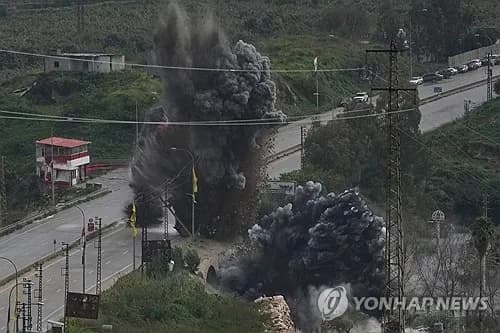
이스라엘, 헤즈볼라 무기 통로 레바논 다리 공습
이스라엘군, 헤즈볼라 무기 통로 레바논 다리 공습
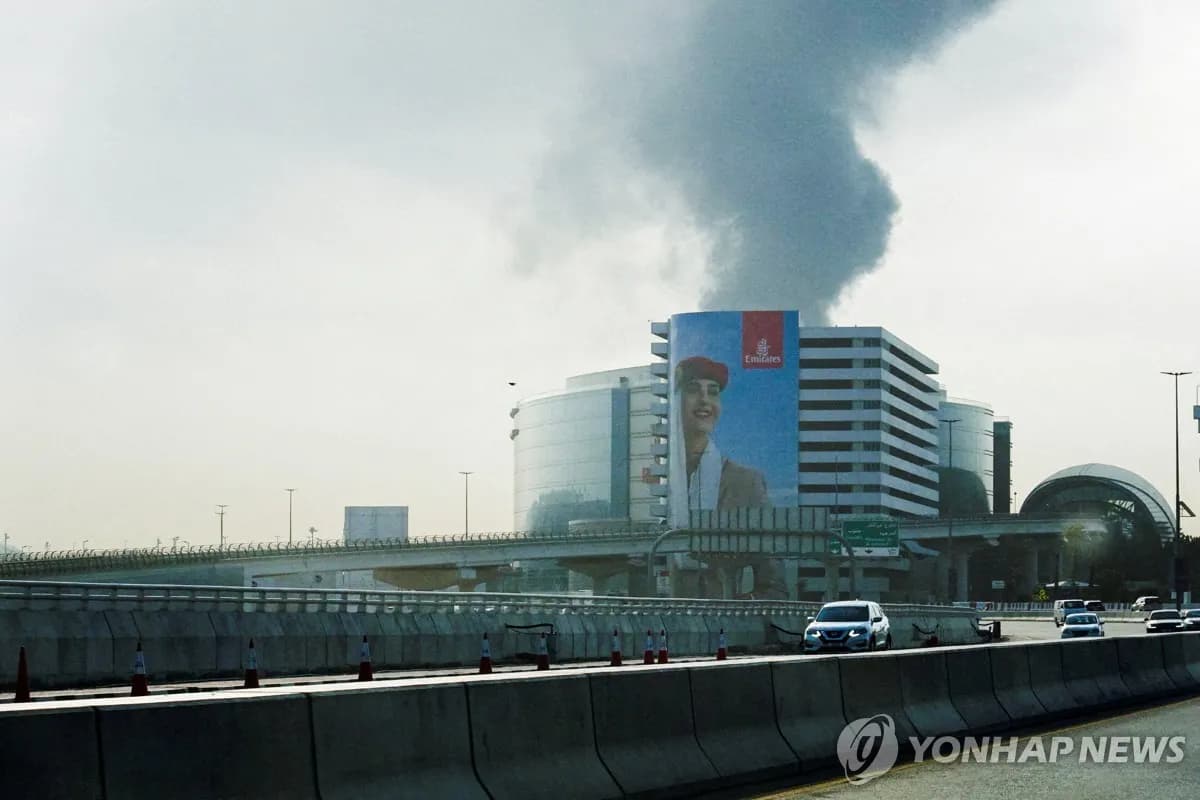
중동행 전세기 전쟁보험료 최고 7천500만원
중동행 전세기 전쟁보험료가 최고 5만달러(7천500만원)로 상승

이란 탄도미사일, 이스라엘 방어망 뚫고 160명 부상
이란 탄도미사일이 이스라엘 방공망을 통과해 160명 부상
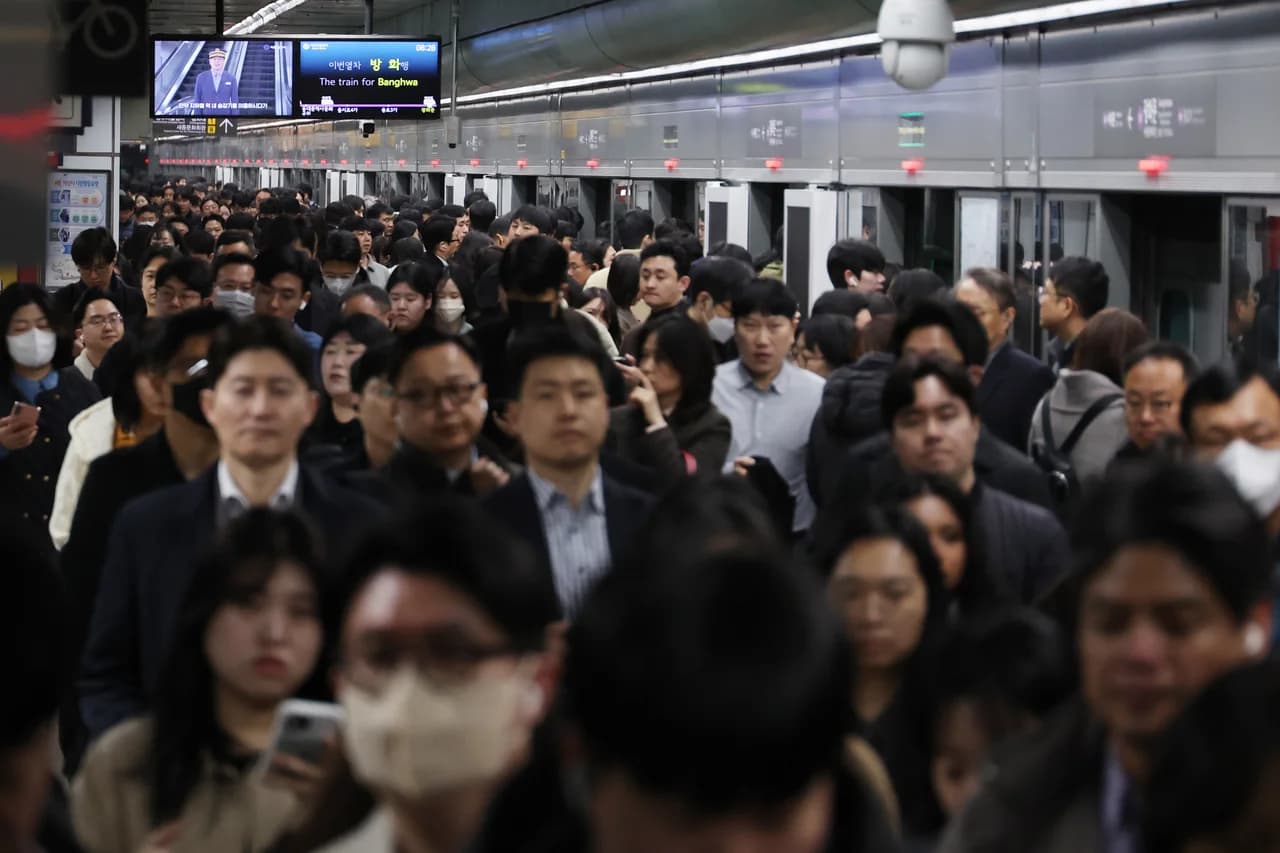
Middle East Conflict Drives Manufacturing Outlook to 10-Month Low
The Korea Institute for Industrial Economics & Trade survey shows April manufacturing outlook PSI plummeted to 88, falling below baseline for the first time in 10 months.

Lee Jae-myung Administration Excludes Multi-Home Officials from Real Estate Policymaking
President Lee Jae-myung has ordered the exclusion of multi-home owning public officials from all real estate policy processes.

Southeast Asia Growth Forecasts Cut Amid Oil Price Surge, Threatening Korean Exports
Maybank Research has downgraded ASEAN-6's 2026 growth forecast from 4.8% to 4.5%.

Volkswagen CEO Says Germany Should Learn from China's Industrial Strategy
Volkswagen CEO stated that Germany should learn from China's systematic industrial planning approach.
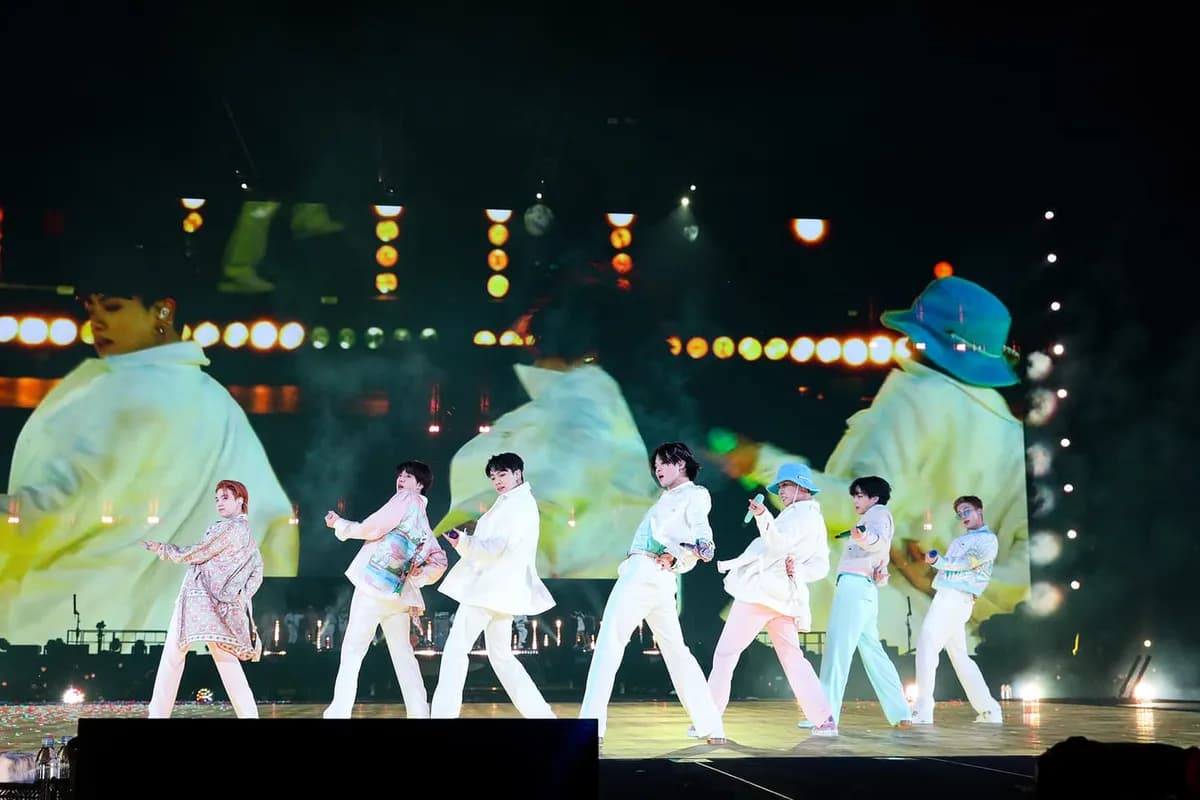
BTS Tops March Artist Brand Reputation Rankings with First Full Group Comeback in 4 Years
BTS ranked first in the Korean Corporate Reputation Research Institute's March Artist Brand Reputation Rankings based on 99 million data points.