GPT-5.2 Released Just One Month Later: Is Human-Level AGI Commercialization Approaching?
AI Model Release Cycles Shorten... OpenAI, Google, Meta Expected to Achieve AGI as Early as Next Year

- •OpenAI released GPT-5.2 just one month after launching GPT-5.1, dramatically shortening AI model release cycles.
- •GPT-5.2 demonstrated performance exceeding humans in 70.9-74.1% of professional task categories.
- •Industry leaders predict human-level AGI could be achieved as early as next year or within 5-10 years at the latest.
GPT-5.2 Emerges After Just One Month
OpenAI unveiled its new AI model GPT-5.2 on the 11th (local time). This update came just one month after the release of its previous model, GPT-5.1.
The new model focuses on performing professional knowledge-based tasks. It consists of an instant response mode for handling everyday queries, a reasoning mode specialized for coding and mathematical problem-solving, and a pro mode for deep reasoning.
In GDPval evaluations, GPT-5.2 performed 1,320 tasks across 44 occupations. The reasoning mode outperformed humans in 70.9% of tasks, while the pro mode exceeded human performance in 74.1% of tasks. It has reached a level that surpasses humans in practical areas such as report writing, accounting management, and tax return preparation.
Accelerating AI Model Release Cycles
As technological competition in the AI industry intensifies, the intervals between new model releases are becoming increasingly shorter.
For OpenAI, it took 2 years and 9 months to go from GPT-3 to GPT-4. However, the progression from GPT-4 to GPT-5 was shortened to 2 years and 4 months, despite releasing two intermediate models. Recently, the company has been continuously releasing models with improved performance on a monthly basis.
Google is also accelerating its development pace. After launching Gemini 1.0 in December 2023, it successively released Gemini 2.0, 2.5, and 3.0 this year alone. The analysis suggests that OpenAI released GPT-5.2 earlier than planned after Gemini 3, launched on the 19th of last month, received positive market reception.
| Company | Model | Release Cycle | Features |
|---|---|---|---|
| OpenAI | GPT-3 → GPT-4 | 2 years 9 months | Focus on major updates |
| OpenAI | GPT-4 → GPT-5 | 2 years 4 months | Including intermediate models, shortened cycle |
| OpenAI | GPT-5.1 → GPT-5.2 | 1 month | Rapid performance improvements |
| Gemini 1.0 → 3.0 | Within 1 year | Aggressive 2025 releases |
AGI Commercialization Timeline Expected to Advance
Rapid technological development is also affecting the timeline for commercializing Artificial General Intelligence (AGI). AGI refers to AI with intellectual capabilities equal to or exceeding those of humans.
Major companies are actively pursuing AGI development. Meta established a Super Intelligence Research Institute last July, and Microsoft launched the "MAI Superintelligence Team" on the 7th of last month, declaring its intention to create the world's best AI research lab.
Industry leaders' predictions are becoming more concrete. Demis Hassabis, CEO of Google DeepMind, stated that "AI will reach human-level intelligence within 5-10 years." Dario Amodei, CEO of Anthropic, went further, predicting that "AGI achievement could be possible as early as next year."
From Past to Present: The Flow of AI Development Competition
The AI model development race intensified following the launch of ChatGPT in late 2022. At that time, OpenAI led the market with its GPT-3.5-based chatbot, and major companies like Google, Meta, and Microsoft began to follow suit.
In 2023, performance competition was the primary focus. Each company expanded model sizes and training data to improve benchmark scores. In 2024, the focus shifted to practicality. Models specialized for specific tasks such as coding, data analysis, and document creation emerged.
Currently in 2025, we are in the speed competition phase. Beyond simply creating good models, how quickly improved versions can be released has become a determining factor in market dominance. OpenAI's immediate response to Google's Gemini 3 release with GPT-5.2 is a representative example.
This competitive landscape serves as the backdrop for companies accelerating toward the ultimate goal of AGI.
[AI Analysis] How Will the AGI Era Arrive?
The shortening of AI model release cycles and rapid performance improvements offer several implications.
First, technological competition is accelerating innovation. The competition between OpenAI and Google is forcing both companies to develop faster, which is likely to create a virtuous cycle that ultimately provides better AI services to users.
Second, AI utilization in practical domains is expected to expand. GPT-5.2's performance surpassing humans in professional tasks such as accounting, tax filing, and report writing signals a fundamental change in how white-collar professions work. AI is likely to establish itself as a core business partner beyond being a simple auxiliary tool.
Third, discussions about AGI commercialization timelines are becoming more concrete. Industry leaders beginning to mention specific timeframes like "next year" or "5-10 years" indicates that technical challenges are being resolved one by one. However, determining whether true "human-level" capabilities have been achieved is expected to remain controversial without consensus on the definition and criteria for AGI.
Fourth, ethical and regulatory discussions must proceed in parallel. As AI approaches human-level intelligence, concerns about safety, controllability, and societal impact will also grow. Social preparedness is as important as the pace of technological development.
The rapid advancement of AI technology is now quickly expanding beyond research laboratories into the real world. It will be important to observe how AI transforms our society in the coming years.
댓글 (4)
간결하면서도 핵심을 잘 정리한 기사네요.
좋은 의견이십니다.
흥미로운 주제입니다. 주변에도 공유해야겠어요.
그 부분은 저도 궁금했습니다.
More in this series
More in AI & Tech

Reddit Considers Face ID to Block Bots While Maintaining Anonymity

China Reduces Hypersonic Missile Core Technology Simulation to 7 Days

BTS Gwanghwamun Concert: AI Network Prevents Communication Crisis for 40,000 Fans

Czech Drone Factory Fire Under Investigation for Terrorism

Trump Slams NATO Allies as 'Cowards' Over Strait of Hormuz Refusal
Google Unveils Gemini 3.1 Flash-Lite Optimized for High-Volume Processing
Latest News

이스라엘, 헤즈볼라 무기 통로 레바논 다리 공습
이스라엘군, 헤즈볼라 무기 통로 레바논 다리 공습

중동행 전세기 전쟁보험료 최고 7천500만원
중동행 전세기 전쟁보험료가 최고 5만달러(7천500만원)로 상승

이란 탄도미사일, 이스라엘 방어망 뚫고 160명 부상
이란 탄도미사일이 이스라엘 방공망을 통과해 160명 부상

Middle East Conflict Drives Manufacturing Outlook to 10-Month Low
The Korea Institute for Industrial Economics & Trade survey shows April manufacturing outlook PSI plummeted to 88, falling below baseline for the first time in 10 months.

Lee Jae-myung Administration Excludes Multi-Home Officials from Real Estate Policymaking
President Lee Jae-myung has ordered the exclusion of multi-home owning public officials from all real estate policy processes.

Southeast Asia Growth Forecasts Cut Amid Oil Price Surge, Threatening Korean Exports
Maybank Research has downgraded ASEAN-6's 2026 growth forecast from 4.8% to 4.5%.
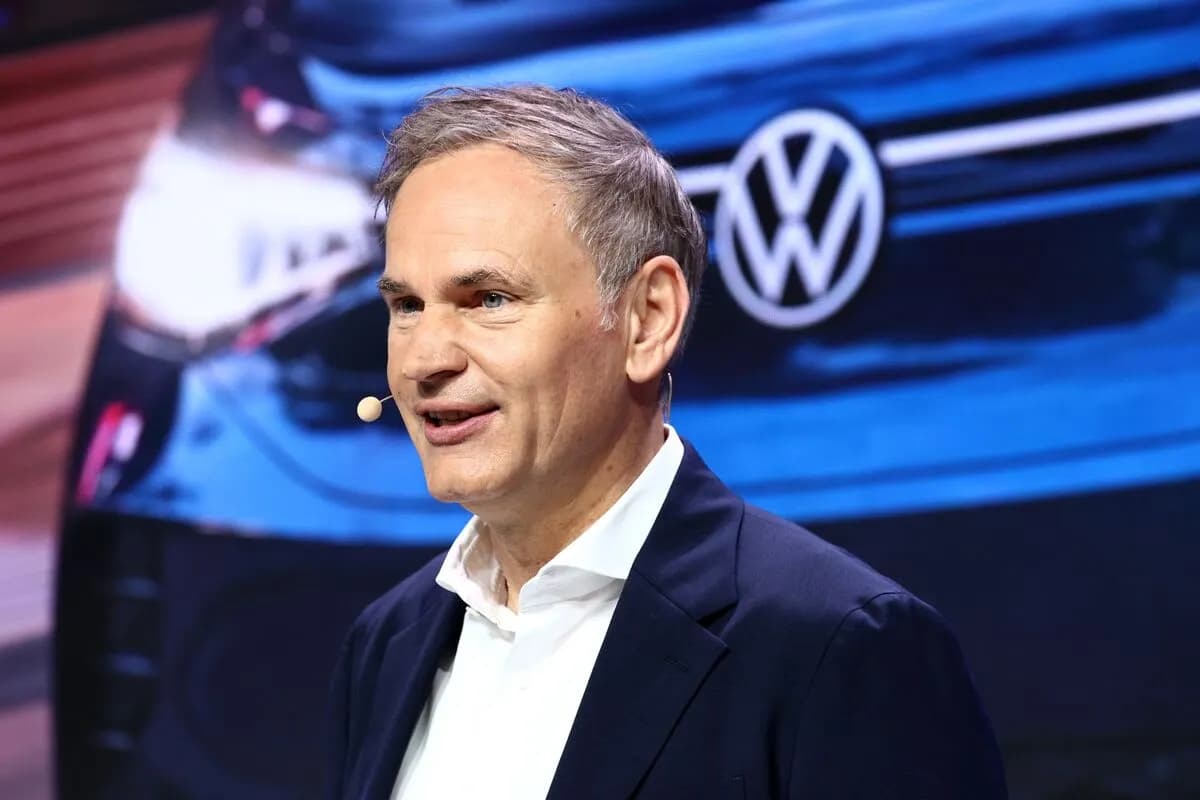
Volkswagen CEO Says Germany Should Learn from China's Industrial Strategy
Volkswagen CEO stated that Germany should learn from China's systematic industrial planning approach.
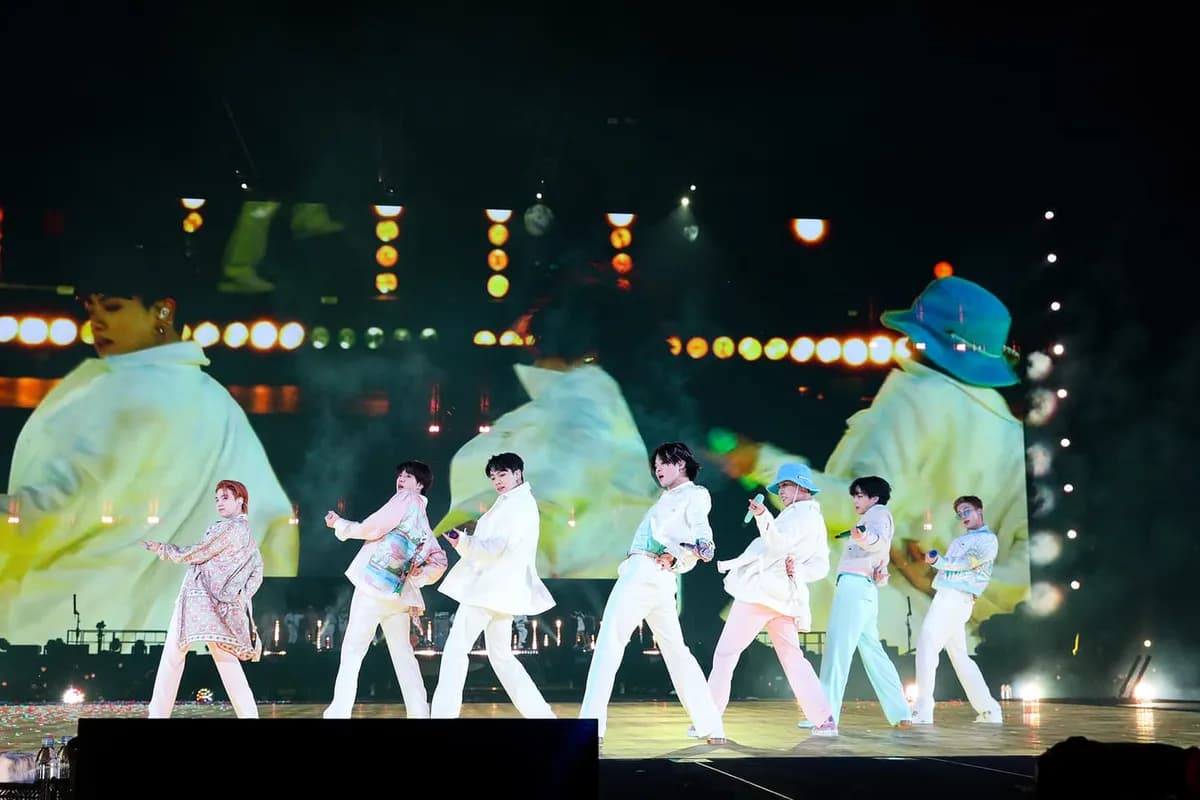
BTS Tops March Artist Brand Reputation Rankings with First Full Group Comeback in 4 Years
BTS ranked first in the Korean Corporate Reputation Research Institute's March Artist Brand Reputation Rankings based on 99 million data points.