Breaking the Gaza Aid Bottleneck: 106-Tonne Shipment Arrives via New Sea Route
WHO's Cyprus Humanitarian Bridge Initiative opens alternative supply corridor to war-torn Gaza
- •WHO delivers 106-tonne aid shipment to Gaza via new Cyprus sea route.
- •Initiative diversifies supply beyond single Israeli land crossing dependency.
- •FAO expands cash aid to 1,000 Gaza farmers targeting 5,000 tonnes of vegetables.
106-Tonne Cargo Reaches Israel's Ashdod Port via New Maritime Corridor
A 106-tonne consignment of essential medical supplies has arrived at Israel's Ashdod port through the World Health Organization's (WHO) Humanitarian Bridge Initiative, routed through Cyprus in the Mediterranean. WHO confirmed the supplies are being prepared for onward distribution into the Gaza Strip, calling the shipment "a significant operational milestone in strengthening WHO's interregional humanitarian logistics capacity for a region affected by the ongoing conflict."
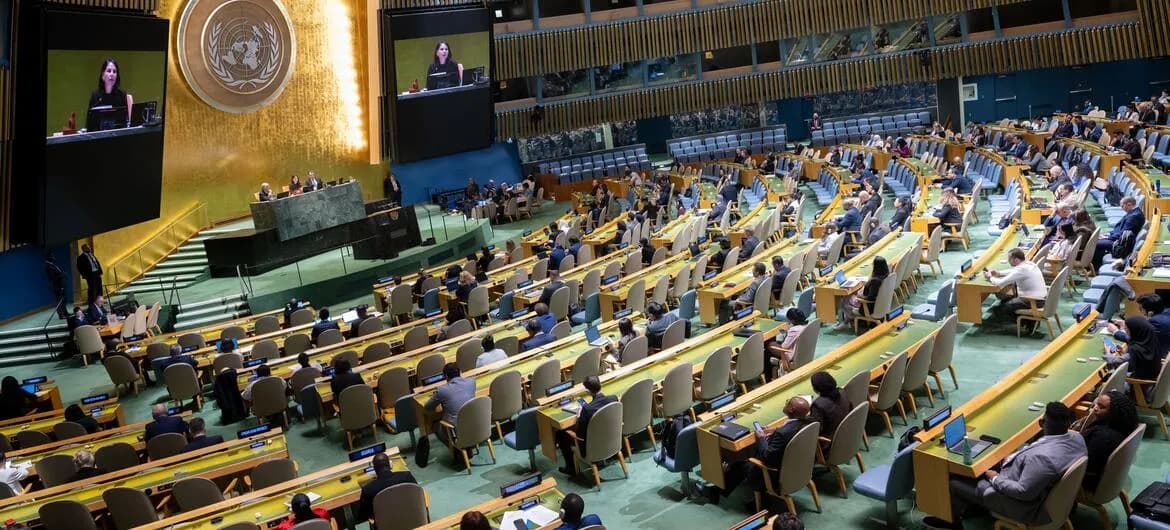
The maritime corridor was designed under UN Security Council Resolution 2720 (2023), which called for establishing a UN mechanism to scale up aid delivery through countries not party to the conflict. Operated in coordination between the Cypriot government and the UN Office for Project Services (UNOPS), the route aims to deliver aid in a neutral, transparent, and internationally coordinated manner.
Why This Sea Route Matters
Until now, humanitarian aid to Gaza has been almost entirely dependent on a single land crossing — Kerem Shalom/Karem Abu Salem on the Israeli border. This single-corridor dependency has repeatedly exposed the vulnerability of the supply chain to disruptions caused by Israeli controls, shifting military conditions, and administrative bottlenecks.
The new sea route represents a meaningful structural alternative. WHO noted that Cyprus sits approximately 370 kilometers from Gaza and, as an EU member state, offers logistical advantages for rapid mobilization of supplies. By complementing existing corridors and diversifying supply routes, the initiative has the potential to significantly reduce delivery timelines and mitigate bottlenecks, according to the UN agency.
UN partners continue delivering through Kerem Shalom as well. UN Spokesman Stéphane Dujarric told reporters that over 270,000 liters of fuel were recently brought in through the crossing, while UNICEF retrieved more than 240 pallets of supplies including nutrition products, medicines, and personal care items.
How the Gaza Aid Crisis Unfolded
Humanitarian access to Gaza became a central international flashpoint following the outbreak of fighting between Israel and Hamas in October 2023. Israel initially imposed a full blockade on goods entering Gaza and later permitted limited resumption under international pressure — but persistent bottlenecks have caused severe shortages of food, medicine, and fuel throughout the conflict.
In December 2023, the UN Security Council adopted Resolution 2720, urging the establishment of a UN mechanism for expanded aid delivery through third-party countries. This resolution elevated Cyprus as a strategic logistics hub, and WHO launched the Humanitarian Bridge Initiative through coordination between its Cyprus and Occupied Palestinian Territory offices.
In parallel, the Food and Agriculture Organization (FAO) announced an expansion of its cash assistance program to reactivate local crop production for an additional 1,000 Gazan farmers. A pilot program last year saw 200 farmers produce over 500 metric tonnes of fresh vegetables. The expanded initiative aims to produce approximately 5,000 metric tonnes — enough to feed roughly 95,000 people for a year.
What Comes Next [AI Analysis]
The opening of this sea route is likely to signal a meaningful structural shift in how humanitarian aid reaches Gaza. Moving away from single-corridor dependency, the multi-route framework could strengthen the UN's operational autonomy and bargaining leverage in future negotiations.
However, the outlook is not without caveats. Final entry through Ashdod port still requires Israeli customs inspection and clearance procedures, and security risks during inland distribution remain. The structural reality that the sea route cannot fully bypass Israeli cooperation is unlikely to change in the near term.
Looking further ahead, if this initiative proves operationally successful, it could serve as a replicable model for maritime humanitarian corridors in other conflict zones — potentially contributing to the evolution of international humanitarian law frameworks and UN response mechanisms.
댓글 (2)
Breaking 관련 기사 잘 읽었습니다. 유익한 정보네요.
the에 대해 더 알고 싶어졌습니다. 후속 기사 부탁드립니다.
More in Global

Artemis 2 Launches First Crewed Moon Voyage in 52 Years

UN's Türk Slams 'Severe Restrictions' on Free Speech Across Middle East

Brent Crude Oil Surges 63% in March—Largest Monthly Gain in 38 Years Since 1987
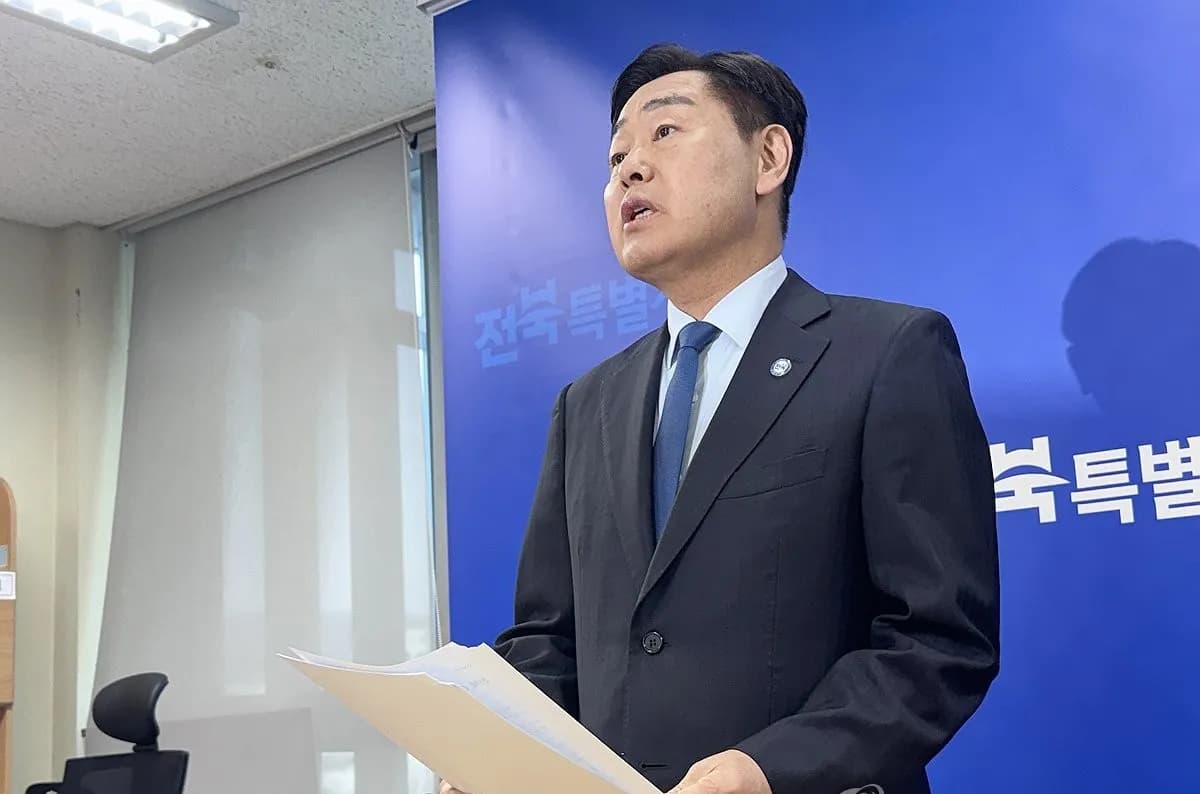
Democratic Party Leader Jeong Cheong-rae Orders Emergency Ethics Inspection of Jeonbuk Governor Kim Kwan-young

UN General Assembly Adopts Landmark Resolution to Overhaul Its Mandate System

Oh Se-hoon: "I Would Choose 5th Term as Seoul Mayor Over Presidency"
Latest News
Skenes Bounces Back with 5 Strong Innings, Pirates Down Reds 8-3
Paul Skenes earns first 2026 win with five innings of one-run ball
An Amateur Astrophotographer's 396-Hour Journey to Hollywood
An astrophotographer with just 2.5 years of experience had his nebula photos close out 'Project Hail Mary.'
Venus and Jupiter Light Up April Evenings: A Complete Viewing Guide
Venus lights up the west-northwest and Jupiter the south-southwest on April evenings.
March Exports Hit Record $86.1B, First-Ever $80B+ Month
South Korea's March exports reach record $86.1B, first-ever $80B+ month

대만 증시, 2009년 이후 최대폭으로 한국 앞질러…구글 메모리 혁신에 코스피 직격탄
3월 대만 증시가 한국을 2009년 이후 최대폭으로 앞지르며 외국인이 코스피에서 하루 3.8조원 순매도
한국 월간 수출액, 사상 첫 800억 달러 돌파…반도체 수출 163.9% 급증
한국의 3월 수출액이 861억 3천만 달러로 월간 사상 처음 800억 달러를 돌파하며 48.3% 증가했다.
브렌트유 1분기 94% 폭등…호르무즈 봉쇄로 역대급 에너지 쇼크
브렌트유가 1분기 94% 급등하며 역대 최대 분기 상승률을 기록했고, WTI는 78% 상승해 팬데믹 이후 최대폭 올랐다.