UN General Assembly Adopts Landmark Resolution to Overhaul Its Mandate System
The historic vote under the UN80 Initiative aims to untangle 40,000-plus resolutions accumulated since 1946
- •The UN General Assembly adopted a landmark resolution to reform its 80-year-old mandate system.
- •The move targets the duplication and inefficiency created by over 40,000 accumulated UN directives.
- •South Korea and other major contributors may see diplomatic and financial implications from the overhaul.
The UN Opens the Door to Historic Self-Reform
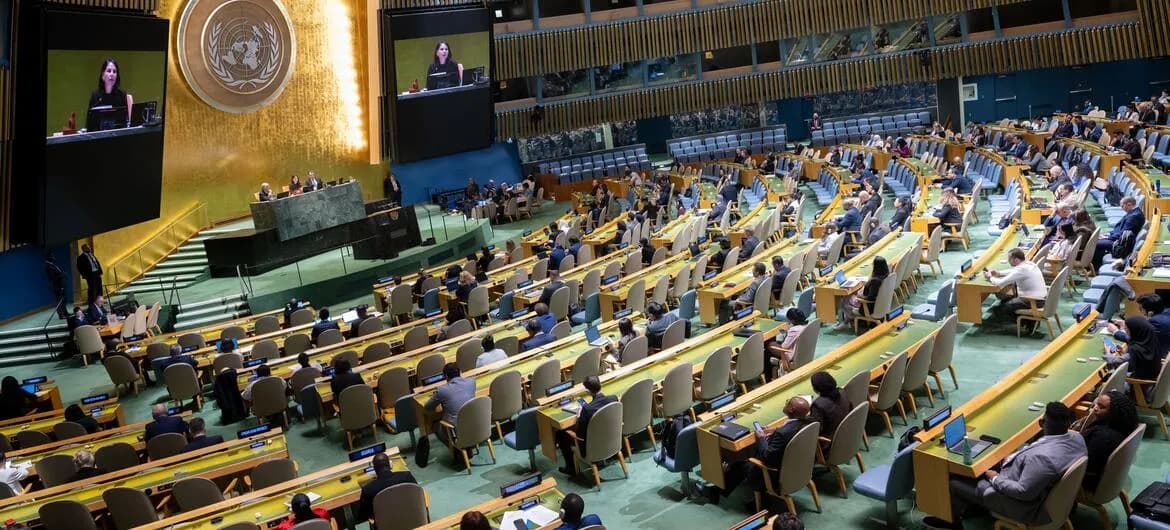
The United Nations General Assembly has adopted what officials are calling a landmark resolution to overhaul the organization's mandate system — the most significant structural reform effort in the UN's 80-year history. Adopted under the UN80 Initiative, the resolution establishes the first formal framework to address the duplication, fragmentation, and inefficiency caused by the accumulation of more than 40,000 resolutions, decisions, and presidential statements since 1946.
Secretary-General António Guterres hailed the move as "a historic resolution" and "a major step," telling Member States it translates "the ambition of the UN80 Initiative into concrete, practical action."
Why This Reform, Why Now
Over eight decades, the UN has assigned sweeping mandates to its agencies through hundreds of resolutions each year. But the sheer volume has become self-defeating: Member States and the Secretariat spend enormous resources producing reports and attending meetings, while review mechanisms to assess actual outcomes have remained weak.
According to multiple international reports, this resolution is being described not merely as administrative housekeeping but as a paradigm shift — the first time the full mandate lifecycle, from design through implementation to review, has been given a structured approach. Key elements include clearer mandate design, data-driven coordination, systematic performance review, and an expanded digital Mandate Registry to improve transparency.
General Assembly President Annalena Baerbock called the adoption "an important step in a much broader reform effort."
Eighty Years of Accumulation: A History of Resolution Overload
The UN began with 51 member states in 1945. Today, with 193 members, the agenda and output have grown exponentially. Annual General Assembly resolutions, which numbered in the dozens in the 1940s, regularly exceeded 300 by the 2000s.
After the Cold War, peacekeeping mandates surged. The adoption of the Millennium Development Goals in 2000 and the Sustainable Development Goals in 2015 added vast new layers of development-related mandates. Each mandate came with reporting obligations, creating a "reporting swamp" of thousands of documents annually.
The 2024 Pact for the Future marked the first formal international acknowledgment that fundamental UN reform was necessary. The UN80 Initiative, timed to the organization's 80th anniversary in 2025, is the follow-through. An Informal Ad Hoc Working Group co-chaired by Jamaica and New Zealand prepared the groundwork, informed by a July 2025 report by the Secretary-General.
What Comes Next [AI Analysis]
The resolution is a starting point, but the road to substantive change is likely to be long and politically complex.
In the near term, a formal Ad Hoc Working Group open to all Member States will begin developing standard mandate templates, stronger review clauses, and a reassessment of existing mandates. Expansion of the digital Mandate Registry is likely to proceed relatively quickly.
Over the medium to long term, actual consolidation or termination of mandates is likely to face political friction. Each mandate often reflects specific member state interests, and eliminating redundancies will inevitably surface disagreements. Past reform pledges — from the 2005 World Summit Outcome to the Rio+20 follow-up — have frequently stalled at the declaratory stage.
For South Korea, which ranks among the top ten contributors to the UN budget, an efficiently run UN system carries direct financial stakes. As an active participant in peacekeeping and development cooperation, South Korea's modes of engagement and negotiating strategies could be shaped by any restructuring. The review of mandates related to Korean Peninsula issues at the Security Council level may also elevate Seoul's diplomatic role in the process.
Guterres pledged that the UN would "work as a single, coherent Organization." Whether this historic resolution translates into historic change will ultimately depend on the sustained political will of Member States.
댓글 (5)
UN 관련 기사 잘 읽었습니다. 유익한 정보네요.
좋은 의견이십니다.
General에 대해 더 알고 싶어졌습니다. 후속 기사 부탁드립니다.
공감합니다. 참고하겠습니다.
간결하면서도 핵심을 잘 정리한 기사네요.
More in Global
Artemis 2 Launches First Crewed Moon Voyage in 52 Years

UN's Türk Slams 'Severe Restrictions' on Free Speech Across Middle East
Breaking the Gaza Aid Bottleneck: 106-Tonne Shipment Arrives via New Sea Route

Brent Crude Oil Surges 63% in March—Largest Monthly Gain in 38 Years Since 1987
Democratic Party Leader Jeong Cheong-rae Orders Emergency Ethics Inspection of Jeonbuk Governor Kim Kwan-young
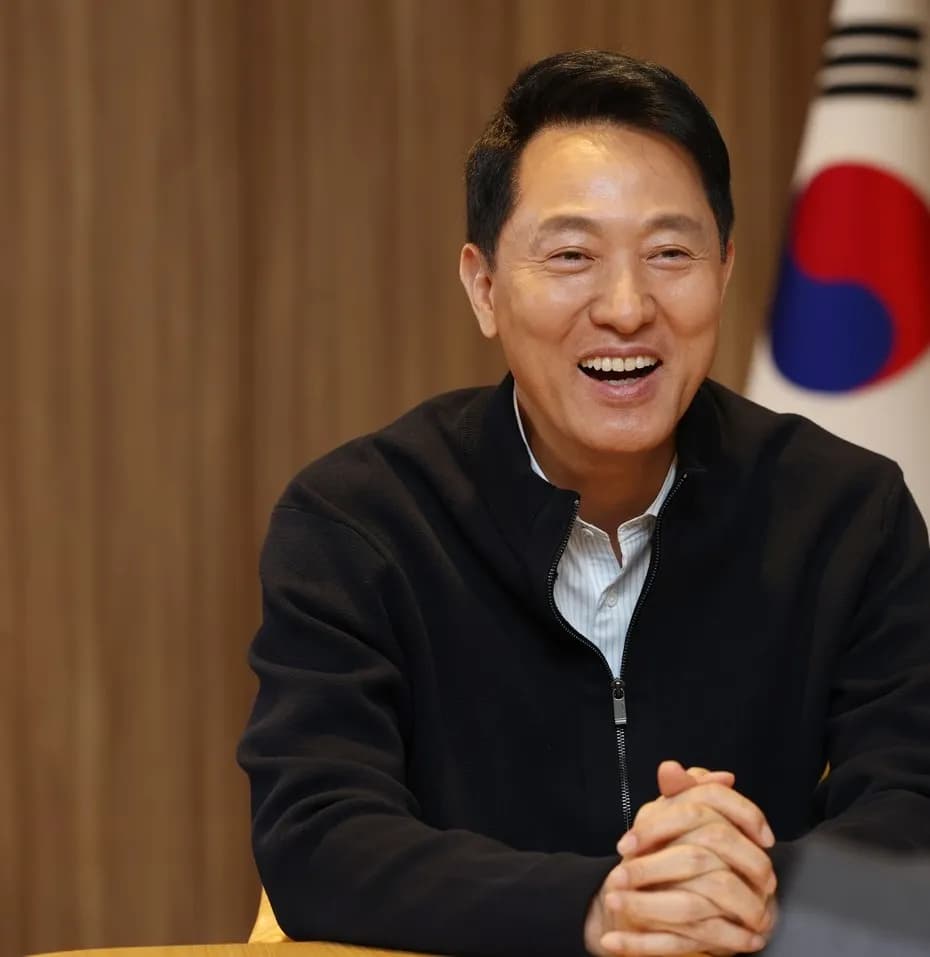
Oh Se-hoon: "I Would Choose 5th Term as Seoul Mayor Over Presidency"
Latest News
Skenes Bounces Back with 5 Strong Innings, Pirates Down Reds 8-3
Paul Skenes earns first 2026 win with five innings of one-run ball
An Amateur Astrophotographer's 396-Hour Journey to Hollywood
An astrophotographer with just 2.5 years of experience had his nebula photos close out 'Project Hail Mary.'
Venus and Jupiter Light Up April Evenings: A Complete Viewing Guide
Venus lights up the west-northwest and Jupiter the south-southwest on April evenings.
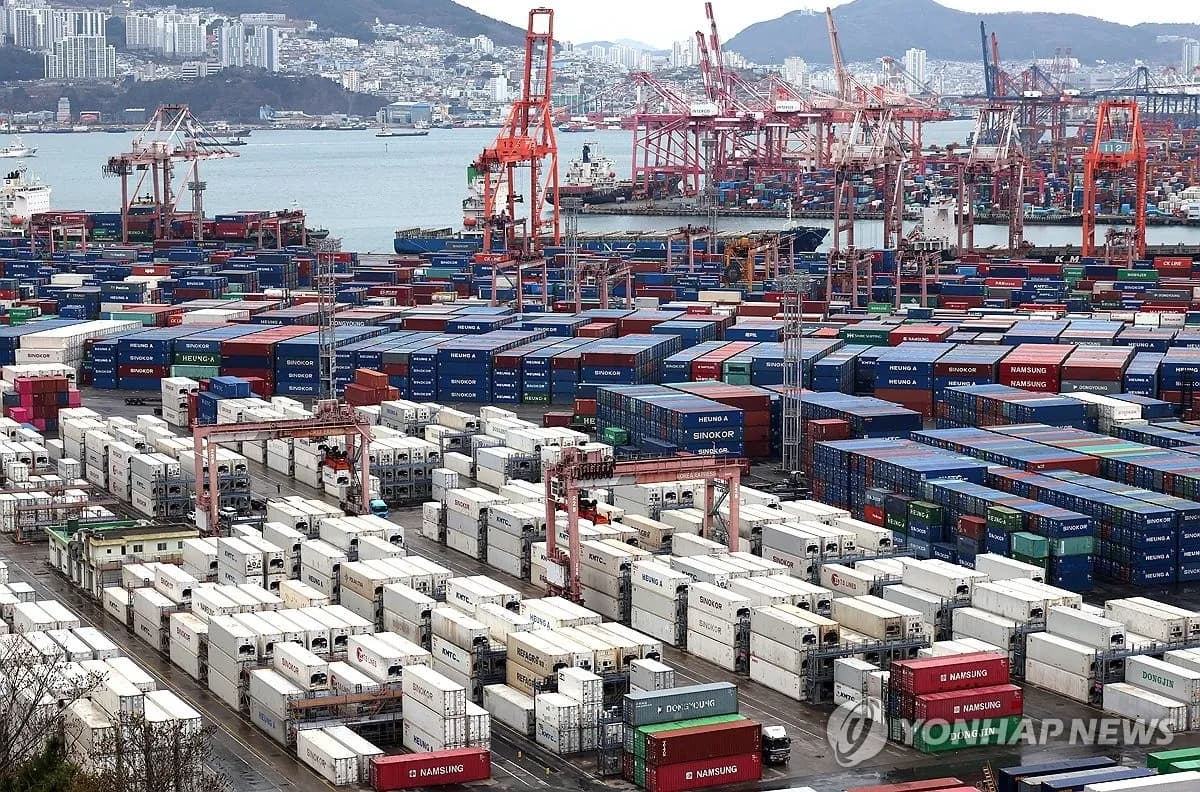
March Exports Hit Record $86.1B, First-Ever $80B+ Month
South Korea's March exports reach record $86.1B, first-ever $80B+ month
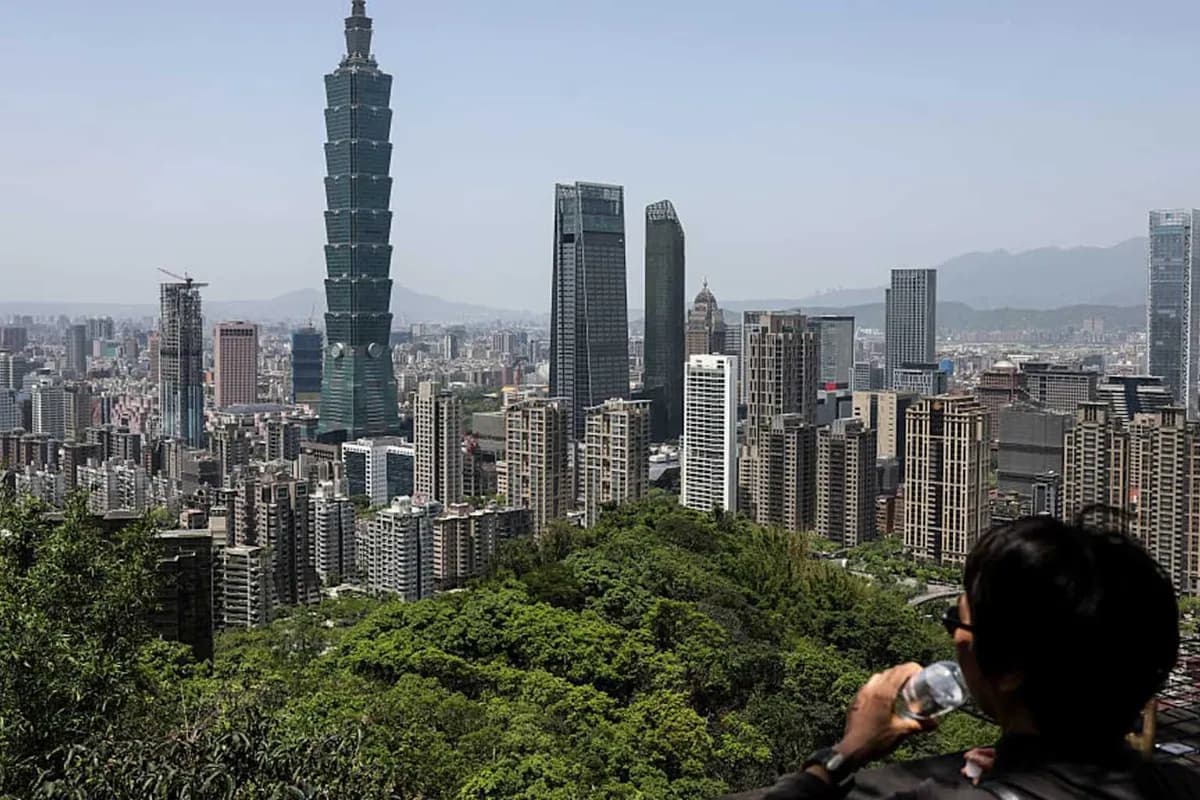
대만 증시, 2009년 이후 최대폭으로 한국 앞질러…구글 메모리 혁신에 코스피 직격탄
3월 대만 증시가 한국을 2009년 이후 최대폭으로 앞지르며 외국인이 코스피에서 하루 3.8조원 순매도
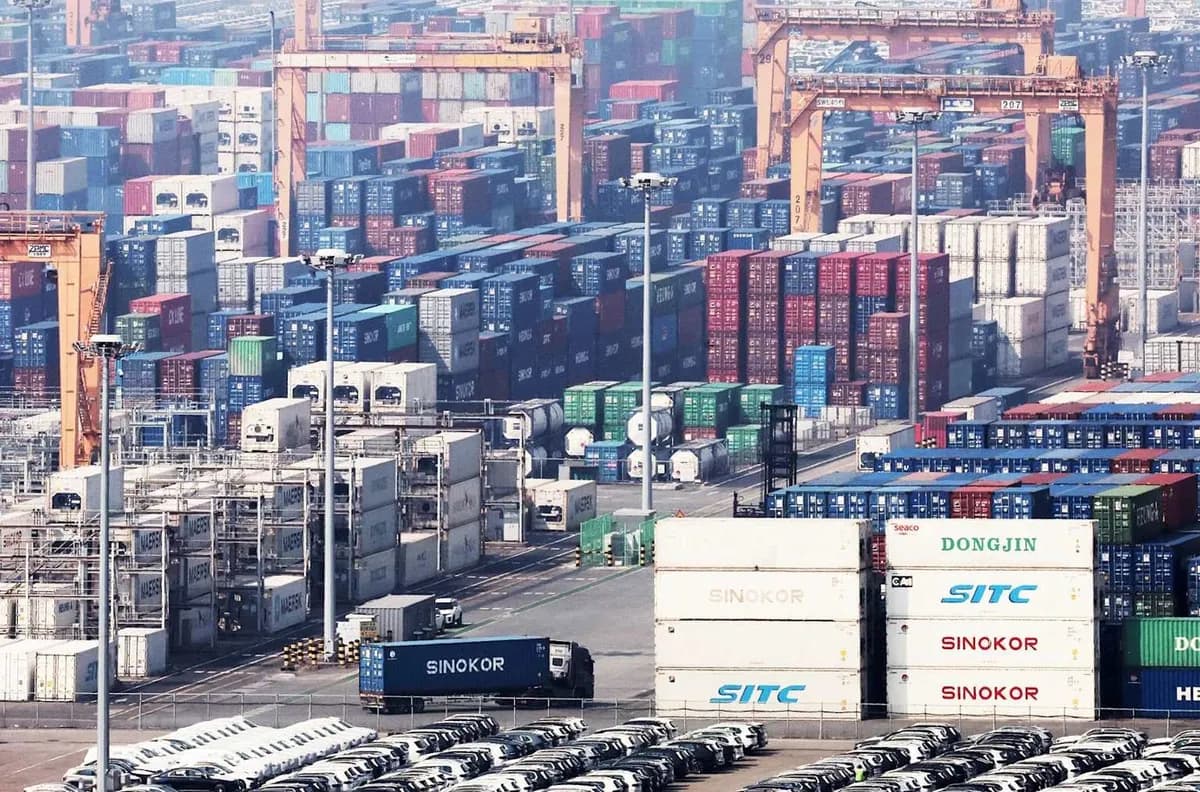
한국 월간 수출액, 사상 첫 800억 달러 돌파…반도체 수출 163.9% 급증
한국의 3월 수출액이 861억 3천만 달러로 월간 사상 처음 800억 달러를 돌파하며 48.3% 증가했다.
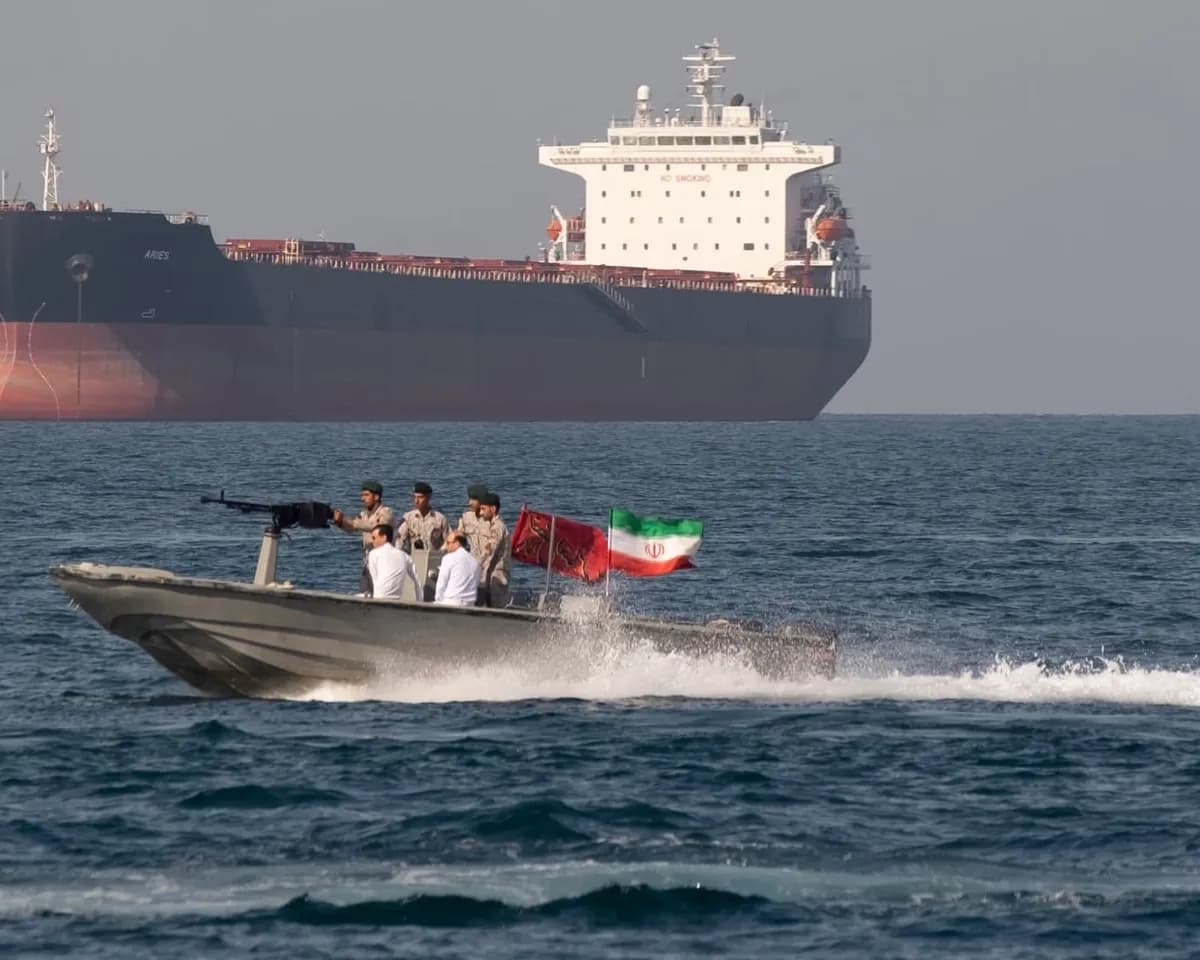
브렌트유 1분기 94% 폭등…호르무즈 봉쇄로 역대급 에너지 쇼크
브렌트유가 1분기 94% 급등하며 역대 최대 분기 상승률을 기록했고, WTI는 78% 상승해 팬데믹 이후 최대폭 올랐다.