UN's Türk Slams 'Severe Restrictions' on Free Speech Across Middle East
UN human rights chief exposes crackdown in Iran, Bahrain, UAE and four other nations as war enters second month
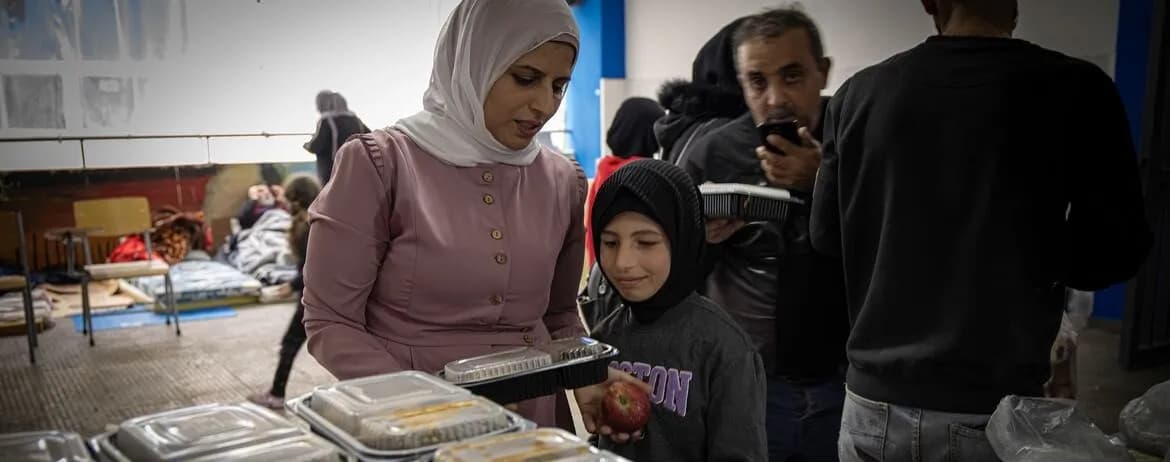
- •UN rights chief condemns deepening suppression of free speech across the Middle East.
- •Iran has arrested 2,350 people and executed 8; a Bahraini activist died in custody.
- •Social media posts alone have led to arrests and death penalty charges in multiple Gulf states.
UN Sounds Alarm on Systematic Suppression of Civil Freedoms
UN High Commissioner for Human Rights Volker Türk has issued a sweeping condemnation of the deteriorating civic space across the Middle East since the outbreak of the ongoing war. According to the Office of the High Commissioner for Human Rights (OHCHR), Iran alone has recorded approximately 2,350 arrests since the conflict began on February 28, with charges ranging from terrorism and dissent to alleged espionage and "cooperation with the enemy."
Iran: Summary Trials and Executions
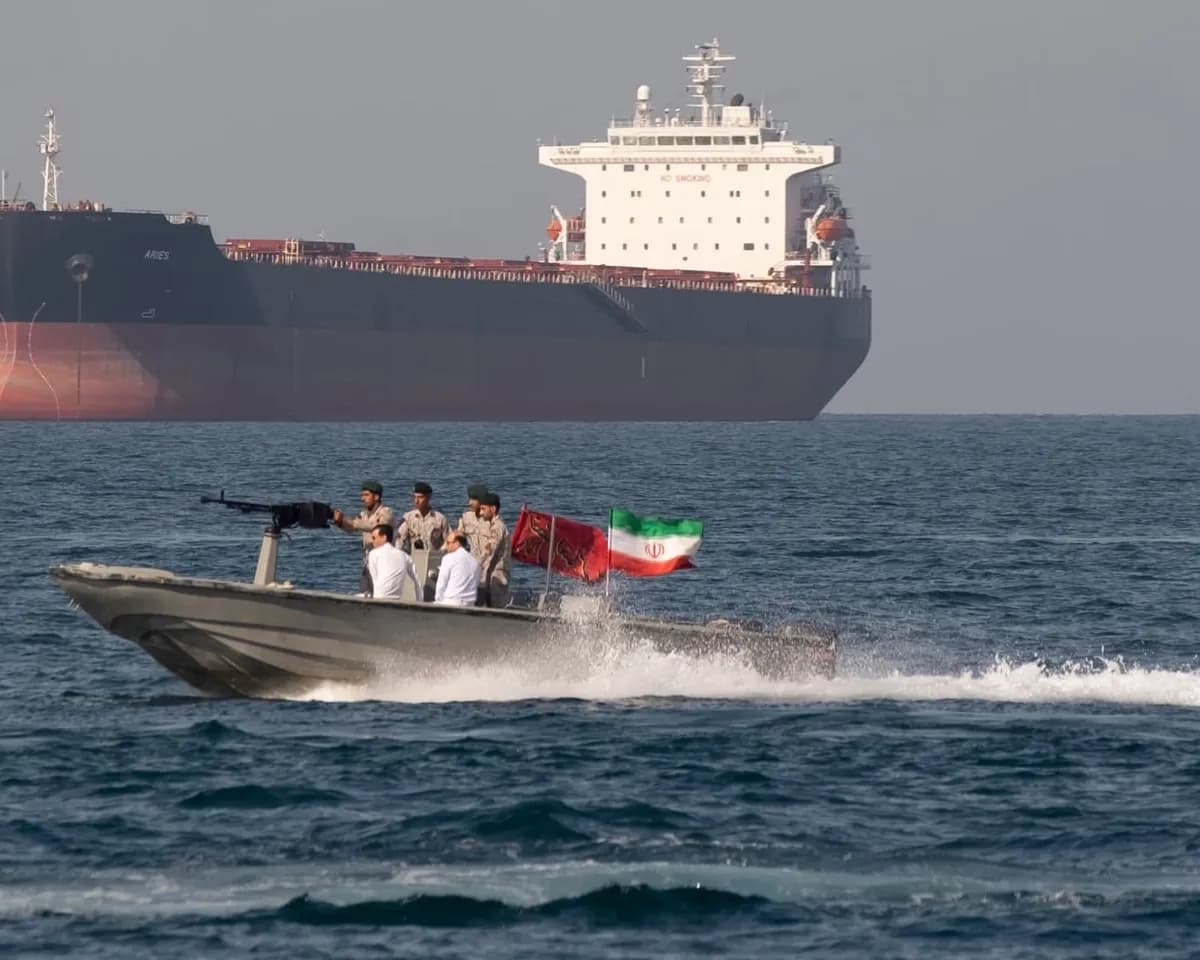
Türk described the conditions facing detainees as "shocking," with expedited proceedings and the looming threat of execution. Eight people have been put to death so far, including three linked to January mass protests. Dozens more, including children, face similar fates. Iran's internet blackout has entered its fifth week, and security forces have been conducting pervasive interrogation and intimidation of civilians in public spaces. Meanwhile, further strikes were reported on Tehran, and a tanker was struck by a missile in Qatari territorial waters, though no casualties or environmental damage were reported.
Gulf States: Social Media Posts as Criminal Evidence
In Bahrain, activist Mohammed Al-Mousawi died in custody on or around March 27, with serious allegations of torture. Authorities have arrested individuals — including foreign nationals — for filming or sharing content on social media, and prosecutors have sought the death penalty in espionage cases. Qatar has detained 313 people, while the UAE has held 109, both largely for information-sharing activities. In the UAE, 35 individuals have been sent to expedited trials, including those who circulated footage of Iranian strikes. Kuwait issued a new decree criminalizing reports that undermine military prestige, while at least four critics were arrested in Jordan.
Occupied West Bank: Detained for Social Media Activity
In the Occupied Palestinian Territory, Israeli authorities detained 200 Palestinians between February 28 and March 6 for social media posts and suspected "incitement." Israeli security forces have intensified raids across the West Bank and tightened movement restrictions.
Historical Context: A Pattern of Wartime Suppression
The suppression of free expression during conflict is not new to the region. Following the Arab Spring of 2010–2012, governments across the Middle East institutionalized digital surveillance and internet shutdowns. Iran's total internet blackout during the 2019 fuel protests previewed the current measures. Gulf states similarly tightened information control during the 2017 Qatar diplomatic crisis. The current war has triggered a simultaneous activation of these entrenched suppression tools across multiple countries.
What Comes Next [AI Analysis]
The UN's public condemnation is unlikely to produce immediate policy changes, given the historical pattern of governments invoking wartime security to deflect international human rights pressure. However, the specificity of the documented cases — including custody deaths and executions of minors — may catalyze calls for ICC investigations or targeted sanctions from Western governments. For South Korea, whose companies operate large-scale energy and construction projects across Qatar and the UAE, the documented detention of foreign nationals warrants immediate consular vigilance. As a UN Security Council non-permanent member, South Korea may also face diplomatic pressure to take a clearer stance on the Middle East human rights agenda.
댓글 (4)
이 문제의 본질이 무엇인지 깊이 생각해볼 필요가 있습니다.
댓글란이 과열되지 않았으면 합니다. 차분한 논의가 필요해요.
균형 잡힌 시각이 필요하다는 데 동의합니다.
팩트에 기반한 냉정한 판단이 필요한 시점입니다.
More in Global
Artemis 2 Launches First Crewed Moon Voyage in 52 Years
Breaking the Gaza Aid Bottleneck: 106-Tonne Shipment Arrives via New Sea Route

Brent Crude Oil Surges 63% in March—Largest Monthly Gain in 38 Years Since 1987
Democratic Party Leader Jeong Cheong-rae Orders Emergency Ethics Inspection of Jeonbuk Governor Kim Kwan-young
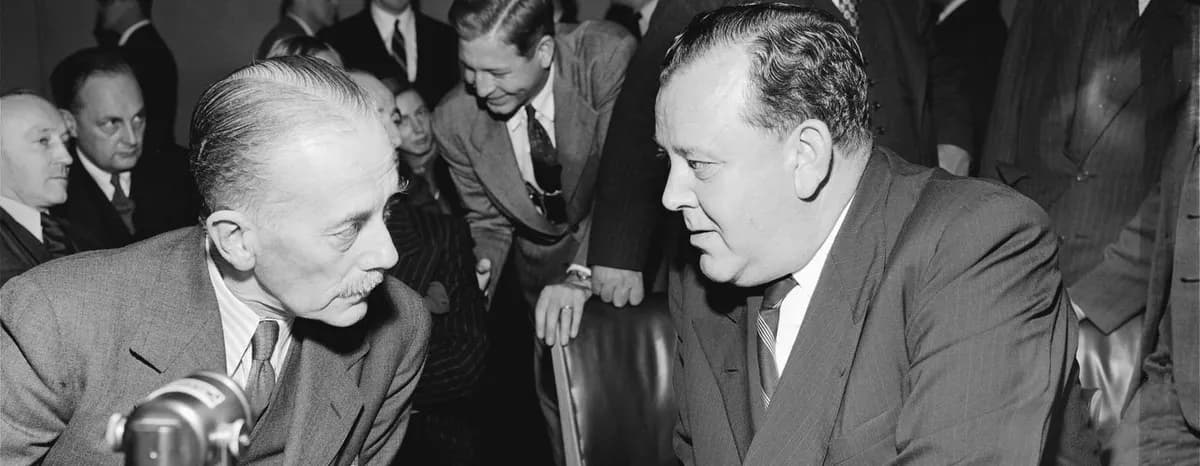
UN General Assembly Adopts Landmark Resolution to Overhaul Its Mandate System
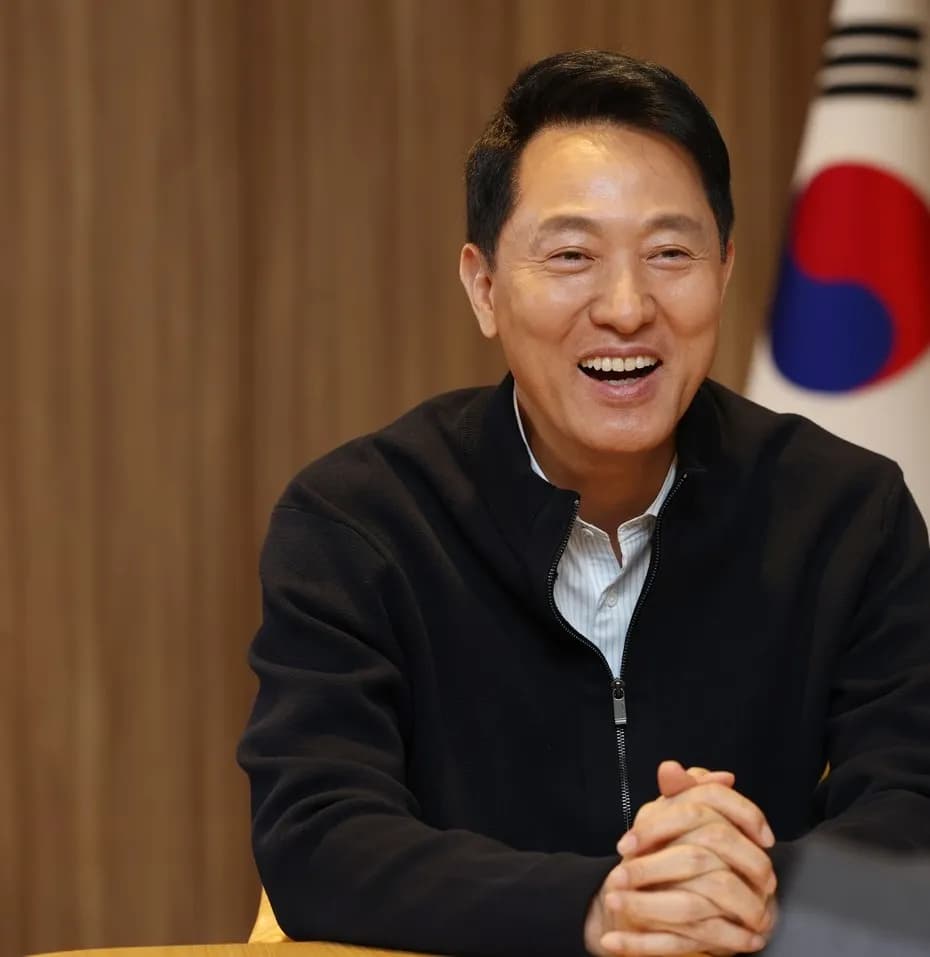
Oh Se-hoon: "I Would Choose 5th Term as Seoul Mayor Over Presidency"
Latest News
Skenes Bounces Back with 5 Strong Innings, Pirates Down Reds 8-3
Paul Skenes earns first 2026 win with five innings of one-run ball
An Amateur Astrophotographer's 396-Hour Journey to Hollywood
An astrophotographer with just 2.5 years of experience had his nebula photos close out 'Project Hail Mary.'
Venus and Jupiter Light Up April Evenings: A Complete Viewing Guide
Venus lights up the west-northwest and Jupiter the south-southwest on April evenings.
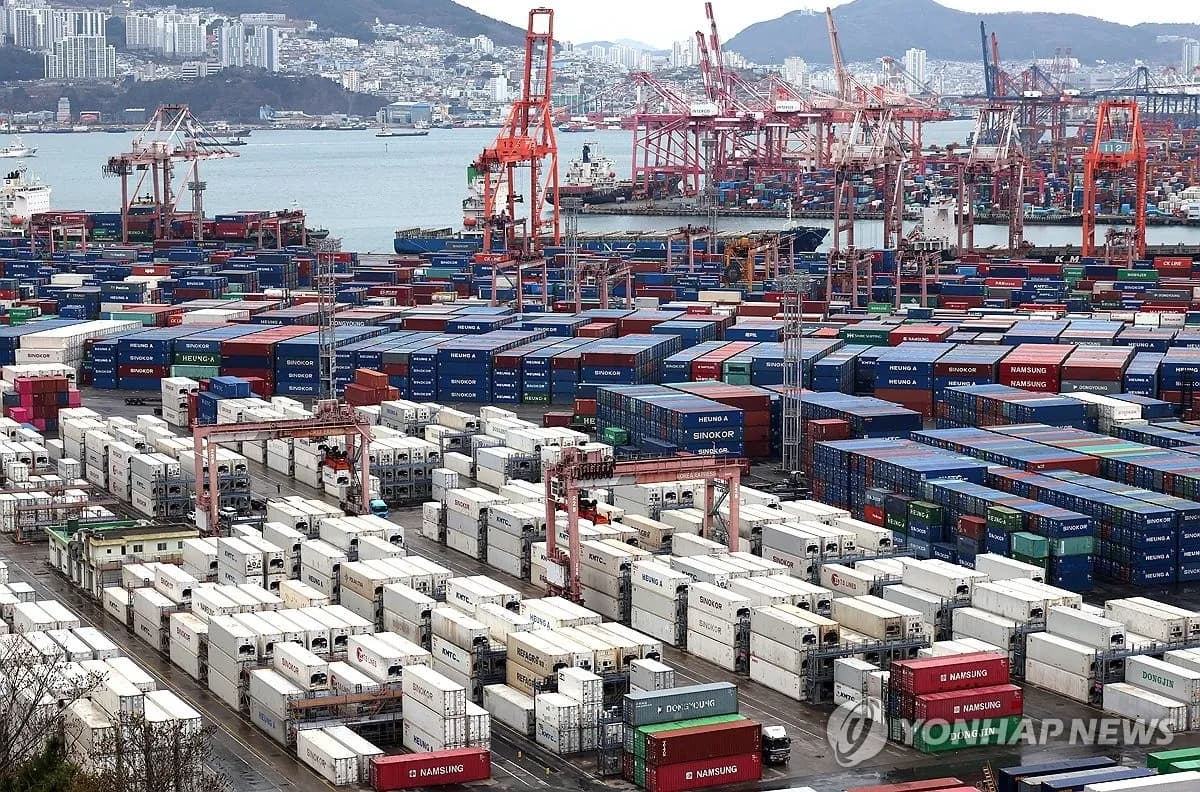
March Exports Hit Record $86.1B, First-Ever $80B+ Month
South Korea's March exports reach record $86.1B, first-ever $80B+ month
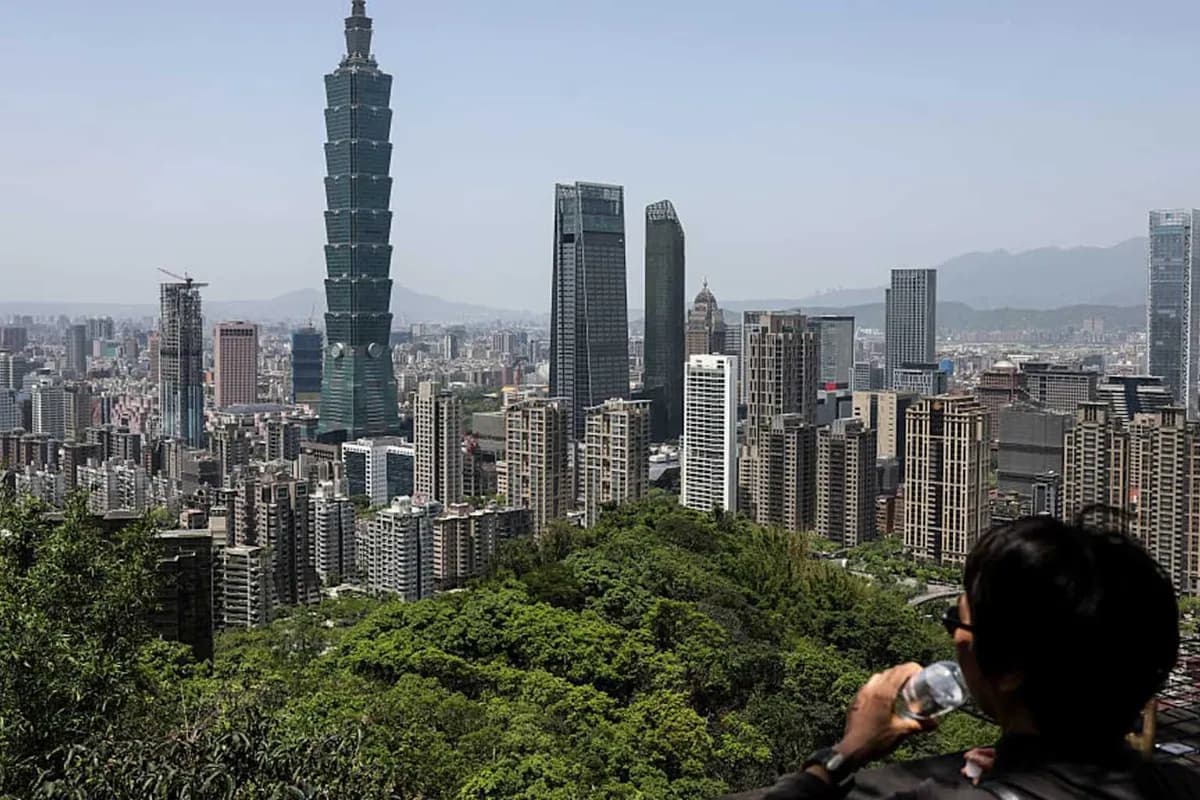
대만 증시, 2009년 이후 최대폭으로 한국 앞질러…구글 메모리 혁신에 코스피 직격탄
3월 대만 증시가 한국을 2009년 이후 최대폭으로 앞지르며 외국인이 코스피에서 하루 3.8조원 순매도
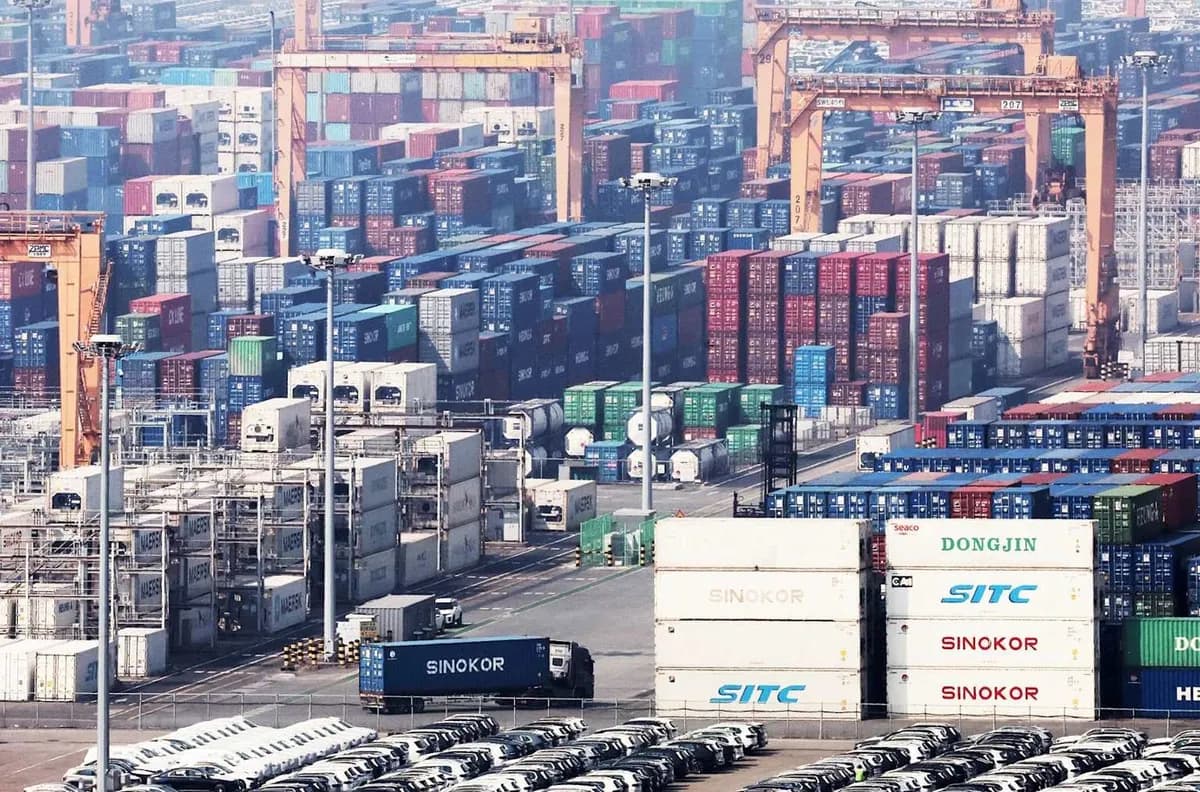
한국 월간 수출액, 사상 첫 800억 달러 돌파…반도체 수출 163.9% 급증
한국의 3월 수출액이 861억 3천만 달러로 월간 사상 처음 800억 달러를 돌파하며 48.3% 증가했다.
브렌트유 1분기 94% 폭등…호르무즈 봉쇄로 역대급 에너지 쇼크
브렌트유가 1분기 94% 급등하며 역대 최대 분기 상승률을 기록했고, WTI는 78% 상승해 팬데믹 이후 최대폭 올랐다.