Deminers Struggle to Keep Pace as Smart Mines Rewrite the Rules of War
3D-printed mines, drone deployment, and magnetic-trigger sensors — Ukraine is reshaping the future of landmine warfare

- •Smart landmines that detonate in response to metal detector magnetic fields are now deployed in Ukraine.
- •3D printing and drone delivery have fundamentally transformed how mines are manufactured and laid.
- •If demining technology cannot keep pace with weapon innovation, civilian casualties will likely rise.
When the Detector Triggers the Mine
The device you use to find a landmine can now detonate it. What sounds like science fiction is a battlefield reality in Ukraine.
Paul Heslop, Head of the UN Mine Action Service (UNMAS) in Ukraine, told UN News that advanced mines now being deployed are equipped with magnetic influence fuses — meaning they can detonate when exposed to the magnetic field of a metal detector. Others carry sensors that can detect an approaching deminer, whether on foot or in a vehicle, and trigger automatically. Landmine detection has become, in his words, "a much more complicated and dangerous task."
April 4 marks the International Day for Mine Awareness and Assistance in Mine Action. This year, the occasion carries an especially sobering weight.
The Battlefield Factory: Mines Made by 3D Printer
The Ukraine conflict is setting a precedent for a new era in landmine technology. Near-frontline 3D printers are being used to produce basic mine casings, which are then assembled and filled with explosives on site — no factory, no supply chain needed.
Deployment methods have also been transformed. The majority of mines laid in Ukraine today are delivered remotely — by artillery, rockets, helicopters, or drones — rather than buried by hand. Mines dropped from the air often remain on the surface rather than penetrating the ground.
Paradoxically, this creates an opening for deminers. Surface-laid mines are easier to detect using drones and advanced sensor technology than traditionally buried ones, and mine action groups are actively developing methods to exploit this vulnerability.
A Long History of Cat and Mouse
Landmines have been used in warfare since the 19th century, but their toll on civilians drew sustained international attention only in the latter half of the 20th century. The 1997 Ottawa Treaty — signed by more than 160 countries — marked a landmark commitment to banning anti-personnel mines. Yet major military powers including Russia and the United States did not sign, limiting the treaty's reach.
From the 2010s onward, the spread of commercial drone and 3D printing technology began to fundamentally alter the calculus of mine warfare. Russia's full-scale invasion of Ukraine in 2022 became a real-world testing ground for how these technologies could converge in combat. Ukraine is now estimated to be among the most mine-contaminated countries on earth.
Outlook [AI Analysis]
The technological gap between mine deployment and mine clearance is unlikely to close quickly. Weapons developers draw on national defense budgets and military R&D infrastructure, while demining organizations rely on international aid and NGO funding — a structural imbalance that is difficult to correct.
However, advances in commercial AI and drone technology are opening new possibilities for detection. Machine-learning-based terrain analysis, thermal-imaging drones, and chemical-trace sensors are being trialed in the field. Experts suggest that no single technology is likely to offer a complete solution; instead, a layered, multi-method detection system is most likely to become the new standard.
Implications for South Korea: South Korea is home to one of the world's most heavily mined areas — the Demilitarized Zone (DMZ). As drone-deployed and sensor-triggered mine technology advances, the complexity and cost of DMZ clearance in any future peace process is likely to rise significantly. Defense planners and related agencies may face growing pressure to invest proactively in next-generation mine detection research.
댓글 (6)
Deminers 문제는 양쪽 입장을 모두 들어봐야 할 것 같습니다.
중요한 포인트를 짚으셨네요.
팩트에 기반한 냉정한 판단이 필요한 시점입니다.
차분한 논의가 필요하다는 말에 공감합니다.
댓글란이 과열되지 않았으면 합니다. 차분한 논의가 필요해요.
차분한 논의가 필요하다는 말에 공감합니다.
More in Global

'We Watched Them Die': Sudan's Last Maternity Hospital on the Brink

Artemis 2 Departs for the Moon — First Crewed Lunar Mission in 52 Years

South Sudan Crisis Reaches 'Catastrophic' Level; WHO Updates Opioid Treatment Guidelines
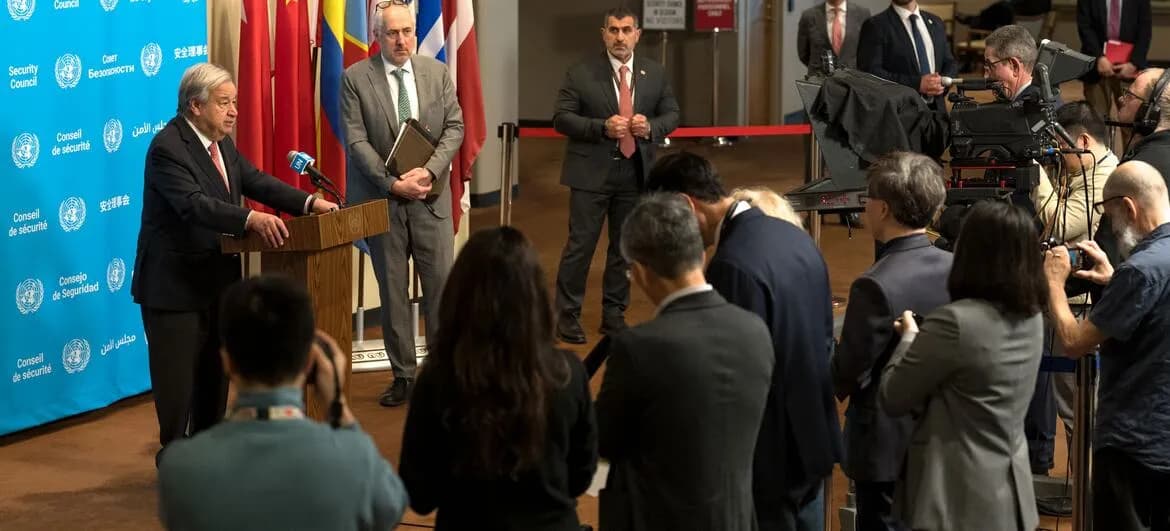
Guterres Warns of 'Wider War' as Middle East Conflict Enters Second Month

Hormuz Closure Lays Bare the World's Fossil Fuel Dependency
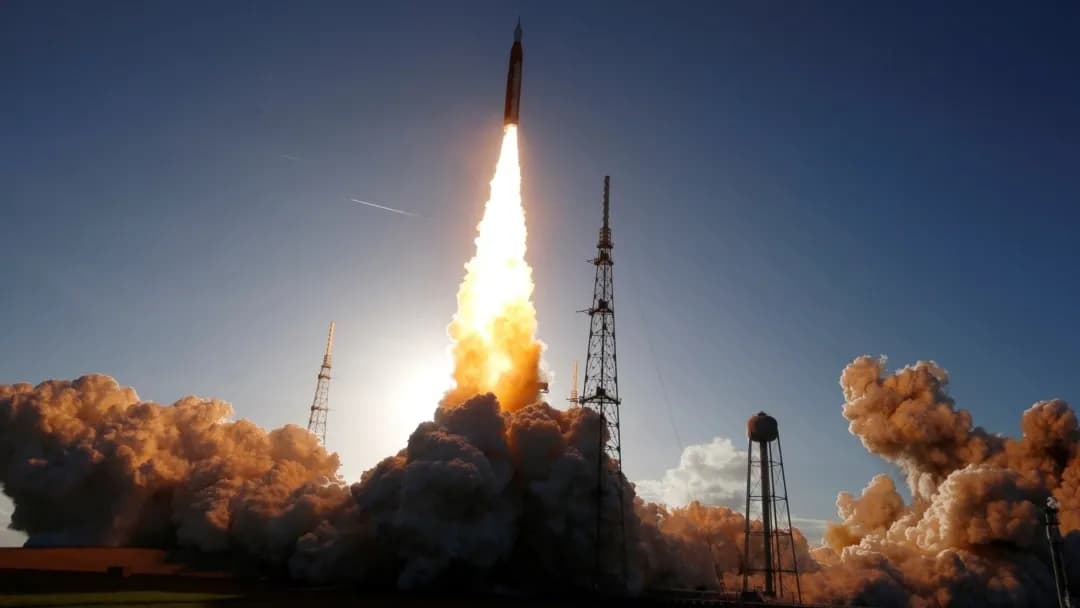
Artemis 2 Launches First Crewed Moon Voyage in 52 Years
Latest News

MLB's Top Prospect Griffin Doubles in First At-Bat, Cubs' Horton Exits Early with Forearm Discomfort
MLB's #1 prospect Konnor Griffin doubled in his first MLB at-bat at 105.8 mph.

19-Year-Old Griffin Lives MLB Dream with Pirates Debut
Konnor Griffin, 19, debuted for the Pittsburgh Pirates in the 2026 home opener.

Venus Returns as the Evening Star: What to Watch in Spring and Summer 2026
Venus returns as the evening star and will dominate the western sky through late August 2026.

Federal Reserve Issues Enforcement Action Against Former United Bank Employee
The Fed has issued a formal enforcement action against a former United Bank employee.

BTS Earns 7th Consecutive Win for 'SWIM' on Music Bank
BTS won their 7th straight No. 1 on Music Bank with 'SWIM.'

'In Your Radiant Season' Finale: Lee Sung Kyung Confronts the Truth as Lee Joo Yeon Reveals All
Song Ha Ran searches for the truth after Sunwoo Chan vanishes, leaving only a cryptic note.

'Still Shining' Finale: Yeon Tae Seo and Mo Eun Ah Reunite, But Im Ah Sol Complicates Everything
JTBC's Still Shining aired its finale on April 3, starring Park Jinyoung and Kim Min Ju.

Go Youn Jung Reveals the Inner Depth of Her Character in 'We Are All Trying Here'
Go Youn Jung portrays Byun Eun Ah, a sharp PD who hides deep existential anxiety.