Over 200,000 Flee Lebanon to Syria as Food Aid Blocked Amid Regional War
One month after Israeli-U.S. strikes on Iran, Middle East supply chains collapse and refugee crisis deepens

- •Over 200,000 people fled Lebanon to Syria in March 2026 alone.
- •WFP reports 70,000 tonnes of food stuck due to Middle East war disruptions.
- •South Korea faces potential energy price hikes if Hormuz tensions persist.
Exodus from Lebanon Pours into Syria
More than 200,000 people crossed from Lebanon into Syria in March 2026 alone, according to figures released by the UN Refugee Agency (UNHCR) in Geneva on March 31. Most fled intense Israeli bombardments, arriving exhausted, traumatized, and with very few belongings.
Who Is Fleeing
UNHCR's representative in Syria, Asseer Al-Madaien, said that between March 2 and 27, over 200,000 people crossed the Lebanon-Syria border. Nearly 180,000 are Syrians — including refugees who had previously fled Syria to Lebanon and are now forced to flee again. More than 28,000 Lebanese nationals also crossed into Syria.
UNHCR is preparing for as many as 350,000 crossings, depending on how the conflict evolves.
Food Aid Also Blocked
More than a month after Israeli and U.S. airstrikes on Iran sparked a wider regional war, supply chains across the Middle East have become severely disrupted. WFP's Director of Supply Chain Corinne Fleischer said 70,000 metric tonnes of food are currently impacted by the war — half on chartered bulk vessels, the rest in containers either en route or stuck in ports.
Although WFP has no vessels in the Strait of Hormuz, the ripple effects of the situation there — vessels stuck in ports, ships refusing to berth, containers stalled — are disrupting all of WFP's major operations.
How Did We Get Here
The roots of the Syrian refugee crisis trace back to the civil war that erupted after the Arab Spring in 2011, pushing millions into Lebanon, Turkey, and Jordan. Lebanon once hosted over one million Syrian refugees. The 2023 Gaza war escalated Israeli military operations into southern Lebanon, and in early 2026, direct Israeli-U.S. strikes on Iran transformed the conflict into a full regional war. Hormuz Strait tensions have since sent shockwaves through global energy and food supply chains.
What Comes Next [AI Analysis]
The crisis is unlikely to resolve quickly. If the conflict drags on, refugee flows could far exceed UNHCR's 350,000 estimate, overwhelming Syria's already-devastated infrastructure. The 70,000 tonnes of blocked food aid could remain stranded for weeks, compounding food crises in Syria, Yemen, and Sudan.
For South Korea, which sources over 70% of its crude oil from the Middle East, prolonged Strait of Hormuz disruptions could raise energy prices and logistics costs. Seoul may need to reassess its energy diversification strategy and emergency evacuation plans for citizens in the region.
댓글 (3)
댓글란이 과열되지 않았으면 합니다. 차분한 논의가 필요해요.
차분한 논의가 필요하다는 말에 공감합니다.
팩트에 기반한 냉정한 판단이 필요한 시점입니다.
More in Global
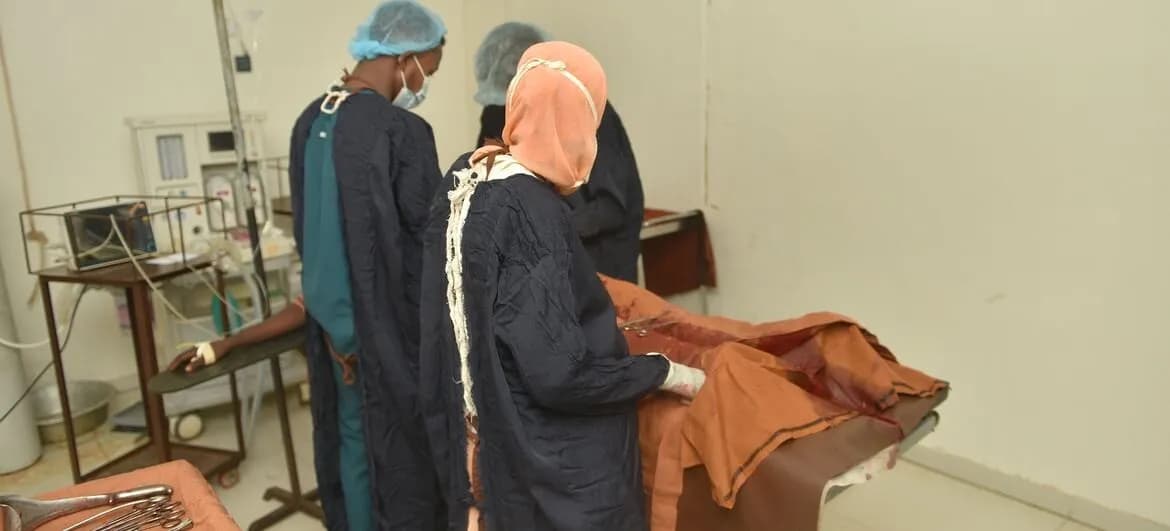
'We Watched Them Die': Sudan's Last Maternity Hospital on the Brink

Deminers Struggle to Keep Pace as Smart Mines Rewrite the Rules of War

Artemis 2 Departs for the Moon — First Crewed Lunar Mission in 52 Years
UN Chief Warns of Imminent Full-Scale Middle East War as Three UNIFIL Peacekeepers Killed
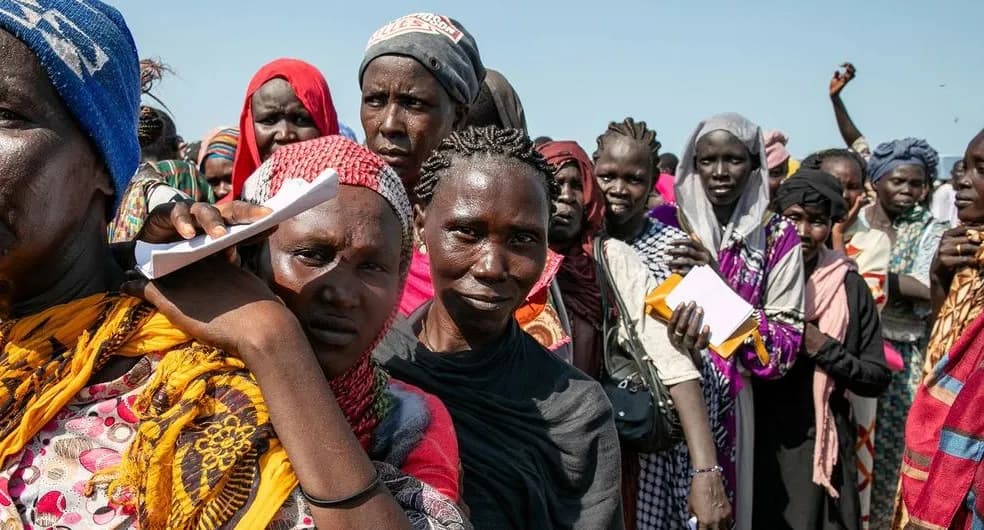
South Sudan Crisis Reaches 'Catastrophic' Level; WHO Updates Opioid Treatment Guidelines

Guterres Warns of 'Wider War' as Middle East Conflict Enters Second Month
Latest News

Yoo Yeon Seok and Esom Share Charged Amusement Park Moment in 'Phantom Lawyer' Episode 8
Episode 8 of 'Phantom Lawyer' previews an emotional amusement park scene between the two leads.

Coma Survivor Returns to Shake Up the Fragile Alliance in 'Mad Concrete Dreams'
Min Hwal Seong wakes from a coma and approaches Kim Seon at a dinner party.

Shiloh Jolie to Appear in WJSN Dayoung's MV — STARSHIP Says They Didn't Know Who She Was
Shiloh Jolie appeared as a dancer in Dayoung's solo MV teaser.

Han Ji Min Moves In With Park Sung Hoon After Falling Out With Her Mom in 'The Practical Guide to Love'
Lee Ui Yeong (Han Ji Min) moves into Song Tae Seop's home after a fight with her mother.

10 Nasty New Pitches to Watch in the 2026 MLB Season
Over 10 MLB pitchers debuted new or significantly altered pitches in the first week of 2026.

CORTIS Shatters Own Record With 1.2 Million Stock Pre-Orders for 'GREENGREEN'
CORTIS's comeback album 'GREENGREEN' has surpassed 1.22 million stock pre-orders.

He Pondered Retirement. Now He's Hit His First Grand Slam.
Tristan Gray made the Twins' Opening Day roster the day after discussing retirement with his wife.

DeLauter Hits 5th Homer in 7 Games, Ties MLB History
DeLauter went 3-for-4 with a decisive two-run homer in Cleveland's home opener.