UN Women Leaders Unite to Defend Gender Equality Against Rising Global Backlash
Fifth annual gathering in Manhasset reaffirms commitment to SDGs, women's rights, and multilateralism
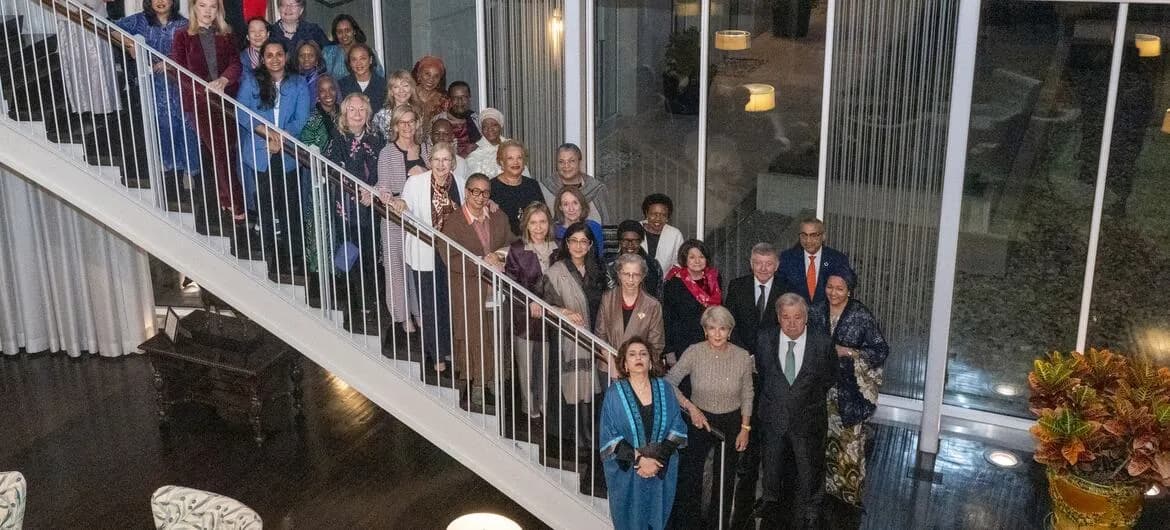
- •UN women leaders reaffirmed commitments to gender equality and multilateralism in New York.
- •Amid economic uncertainty and global gender backlash, structural barriers were declared an urgent priority.
- •Discussions linked AI governance, SDG financing, and women's rights into a unified policy agenda.
Women Leaders Rally Amid Global Headwinds
Senior women leaders of the United Nations convened for the fifth consecutive year at the Greentree Estate in Manhasset, Long Island, reaffirming their collective commitment to gender equality, the Sustainable Development Goals (SDGs), and the principles of the UN Charter. The gathering came at a critical juncture marked by economic volatility and mounting pressure on hard-won rights worldwide.
Convened by UN Deputy Secretary-General Amina Mohammed, the meeting brought together women leaders with deep, first-hand experience navigating today's intersecting global crises. Participants emphasized that gender equality is a fundamental human rights issue and the cornerstone of sustainable development, peace, security, and inclusive prosperity.
Why It Matters Now
The significance of this gathering extends far beyond a routine annual meeting. In recent years, a growing number of countries have witnessed institutional rollbacks on women's reproductive rights, access to education, and labor protections. Authoritarian regimes have increasingly framed gender equality agendas as foreign ideological imposition, fueling what analysts describe as a global 'gender backlash.'
This backlash poses a direct threat to the international community's shared agenda under the 2030 Sustainable Development framework. Participants identified the urgent removal of systemic barriers to women's leadership across political, economic, and social spheres as a critical and immediate priority.
The discussions also addressed the intersection of artificial intelligence (AI), philanthropy, financing for human dignity, and the state of multilateralism — with particular concern raised over AI systems that risk embedding and amplifying existing gender inequalities.
How We Got Here: A Historical Thread
The international gender equality agenda is the product of decades of accumulated effort.
The Fourth World Conference on Women in Beijing in 1995 formalized gender equality as a core international policy priority through the Beijing Platform for Action. The 2000 Millennium Development Goals (MDGs) incorporated gender equality, and the 2015 SDGs enshrined it as Goal 5: Achieve gender equality and empower all women and girls.
However, from the late 2010s onward, the rise of populist and nationalist movements in multiple countries began to erode international consensus on women's rights. The U.S. Supreme Court's 2022 reversal of abortion rights and the Taliban's sweeping bans on women's education and employment in Afghanistan served as stark symbols of this global regression.
As of 2026, the network of international women leaders centered on the UN has positioned itself as a critical bulwark against ongoing efforts to roll back women's rights.
What Comes Next [AI Analysis]
The impact of this gathering is likely to extend beyond short-term declarations into medium- and long-term policy shifts. With senior UN women leaders directly engaging on AI governance, SDGs financing, and multilateral cooperation frameworks, there is a strong likelihood that gender perspectives will be more formally institutionalized in upcoming international agreements and guidelines.
For South Korea — which holds one of the largest gender pay gaps among OECD nations — the recommendations emerging from this UN meeting may translate into increased international pressure on domestic gender equality policies. The question of gender representation in AI development is particularly relevant to Korea's ongoing digital transformation agenda.
That said, as long as anti-multilateralism sentiment continues to gain traction globally, the practical enforceability of UN resolutions is likely to face limits. Ultimately, the true measure of this meeting's success will depend not on the declarations adopted, but on how effectively national governments and civil society translate them into concrete policy action.
댓글 (5)
흥미로운 주제입니다. 주변에도 공유해야겠어요.
기사 잘 봤습니다. 다른 시각의 분석도 읽어보고 싶네요.
좋은 의견이십니다.
간결하면서도 핵심을 잘 정리한 기사네요.
공감합니다. 참고하겠습니다.
More in Global
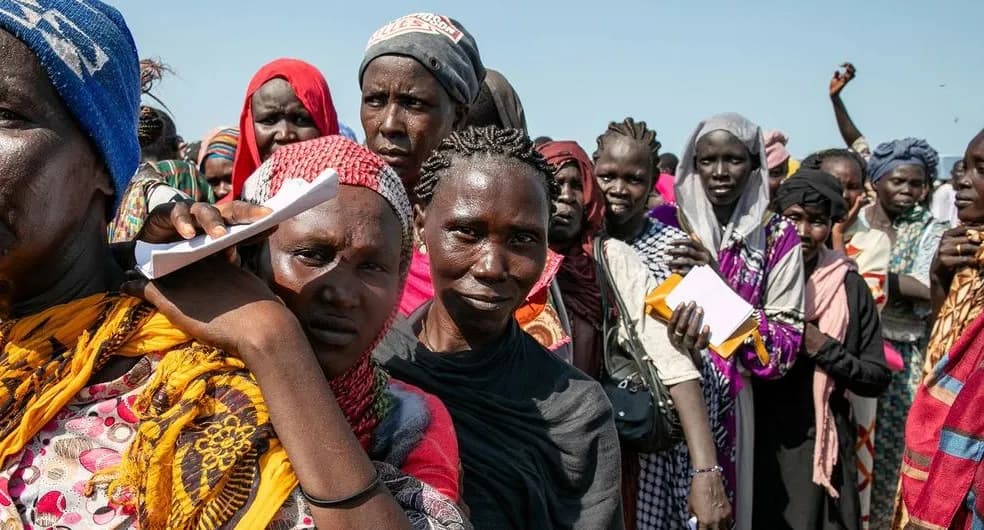
South Sudan Crisis Reaches 'Catastrophic' Level; WHO Updates Opioid Treatment Guidelines
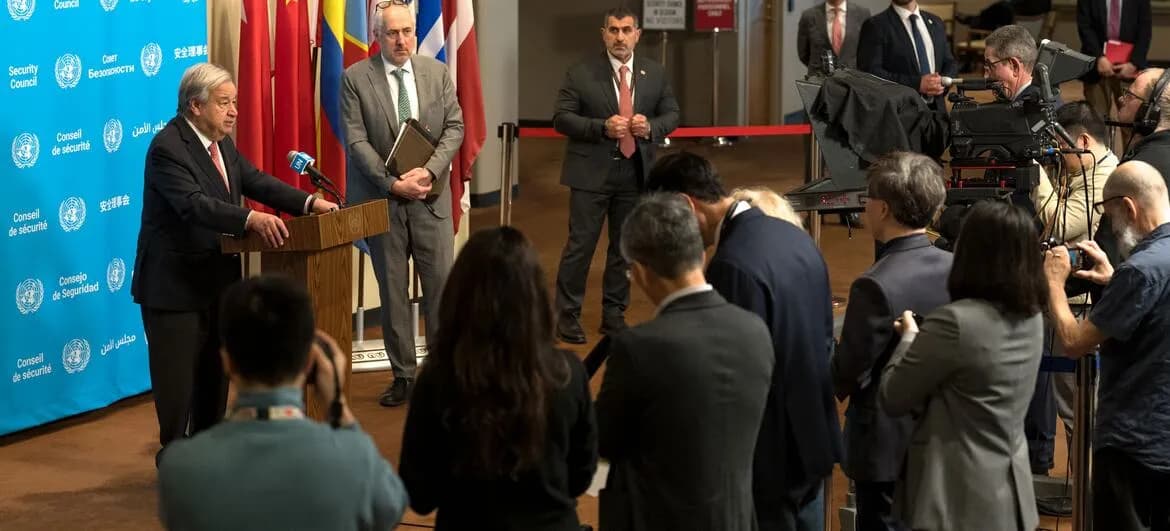
Guterres Warns of 'Wider War' as Middle East Conflict Enters Second Month
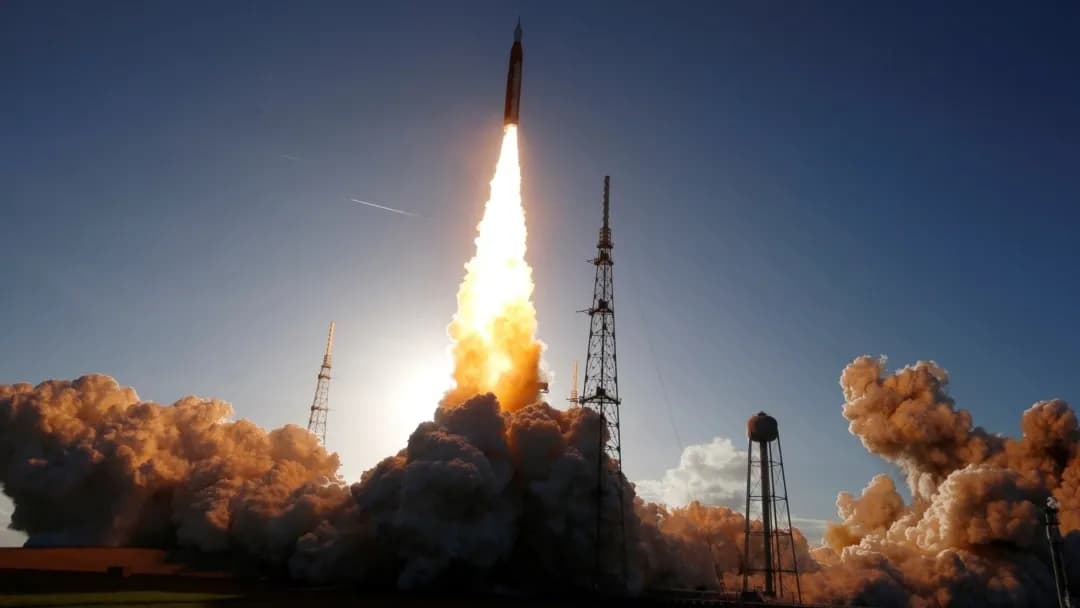
Artemis 2 Launches First Crewed Moon Voyage in 52 Years

UN's Türk Slams 'Severe Restrictions' on Free Speech Across Middle East

Breaking the Gaza Aid Bottleneck: 106-Tonne Shipment Arrives via New Sea Route

Brent Crude Oil Surges 63% in March—Largest Monthly Gain in 38 Years Since 1987
Latest News

Beyond Rocky: 17 Sci-Fi Aliens That Dared to Look Nothing Like Us
Rocky from 'Project Hail Mary' reignites interest in non-humanoid sci-fi aliens.

Langeliers Eyes Catcher Home Run History One Year After Raleigh's 60
Langeliers hits 5 HRs with a 1.400 OPS in his first six games of 2026.

MLB's Top Prospect Konnor Griffin Set to Debut in Pirates' Home Opener Friday
MLB's top-ranked prospect Konnor Griffin will debut in Pittsburgh's home opener Friday.

'The Scarecrow' Drops Main Trailer: Park Hae Soo, Lee Hee Joon, and Kwak Sun Young Unite to Chase a Serial Killer Across 30 Years
ENA's 'The Scarecrow' has released its main trailer.

Kim Sung Cheol Plays a Loan Company Schemer Closing in on Park Bo Young's Gold Bars in 'Gold Land'
Kim Sung Cheol takes on the role of Woo Gi, a scheming loan company employee, opposite Park Bo Young in Gold Land.

6 Pitchers Who Stole the Show in Their 2026 MLB Debuts
Six MLB pitchers delivered standout performances in their first starts of 2026.

Skenes Bounces Back with 5 Strong Innings, Pirates Down Reds 8-3
Paul Skenes earns first 2026 win with five innings of one-run ball

An Amateur Astrophotographer's 396-Hour Journey to Hollywood
An astrophotographer with just 2.5 years of experience had his nebula photos close out 'Project Hail Mary.'