Middle East War Triggers Global Energy Crisis, Poorest Nations Hit Hardest
Hormuz Strait near-shutdown pushes Brent crude past $100, leaving Africa and South Asia's LDCs scrambling
- •The Middle East war has crippled Hormuz Strait shipping, disrupting global energy supply chains.
- •LDCs in Africa and South Asia face compounded crises in energy, fertilizer, and food imports.
- •Brent crude topping $100 has prompted fuel rationing and an unplanned return to coal in many countries.
A War That Rewrote the Energy Map
Four weeks since Israeli-US airstrikes on Iran ignited a wider regional conflict, the world's energy markets are reeling from structural shock. The near-paralysis of the Strait of Hormuz — the Persian Gulf's critical maritime chokepoint — severed oil shipments and triggered a cascade of disruptions across natural gas, coal, food, and fertilizer supply chains. According to multiple UN agency reports, the blow is falling hardest on the least developed countries (LDCs) of Africa and South Asia, which are structurally dependent on imported energy.
Brent crude is now trading above $100 per barrel. That price level has forced many governments to introduce fuel rationing and shift official meetings online. Workers and households in several nations have reverted to oil and coal as LNG prices soar, raising alarms about lasting environmental setbacks.
Even Exporters Feel the Pain
Countries that export energy are not immune. UNCTAD's Junior Davis, Head of Policy Analysis for Africa and LDCs, notes that only a handful of LDCs are net energy exporters: South Sudan, Angola, Chad, Mozambique, Laos, Myanmar, and Yemen. The vast majority — including Niger, Zambia, Rwanda, Ethiopia, Tanzania, Bangladesh, Cambodia, and Senegal — are net importers.
Angola illustrates the exporters' dilemma. Despite producing crude oil, it lacks domestic refining capacity and must re-import refined products at elevated prices, meaning its gains from high crude prices are limited. Zambia faces starker hardship: it imports refined fuel almost entirely from the Middle East, particularly the UAE, a supply line now effectively severed. Fertilizer access compounds the crisis, as LDCs rely heavily on overseas production that depends on natural gas as a feedstock.
The Historical Weight of Hormuz
The Strait of Hormuz handles roughly 20% of global oil exports. During the Iran-Iraq War's "Tanker War" of the 1980s, the strait's vulnerability already shook energy markets. A 2019 Iranian seizure of a British tanker renewed fears of closure. Yet while wealthy nations built strategic petroleum reserves and diversified supply chains in the decades since, LDCs lacked the fiscal space to do the same — leaving a structural gap that this crisis has now exposed in full.
Outlook [AI Analysis]
Even if the Middle East conflict resolves quickly, this episode is likely to permanently reshape how the international community views LDC energy vulnerability. In the near term, emergency food and fertilizer support mechanisms through FAO and UNCTAD are likely to be activated, with World Bank and IMF emergency lending requests expected to follow.
Over the medium term, two trajectories may intersect. First, investment in domestic renewable energy for LDCs could accelerate, as the structural dependence on imported energy is the root vulnerability. Second, the coal and oil fallback risks slowing climate commitments — the trap of "energy poverty vs. decarbonization" may become a political flashpoint in upcoming international climate negotiations.
댓글 (3)
불안한 시기에 정확한 보도가 중요합니다. 좋은 기사 감사합니다.
이 위기를 어떻게 극복할 수 있을지 전문가 의견이 더 필요합니다.
걱정이 많이 되네요. 좋은 지적입니다.
More in Global
Artemis 2 Departs for the Moon — First Crewed Lunar Mission in 52 Years
South Sudan Crisis Reaches 'Catastrophic' Level; WHO Updates Opioid Treatment Guidelines
Guterres Warns of 'Wider War' as Middle East Conflict Enters Second Month
Hormuz Closure Lays Bare the World's Fossil Fuel Dependency
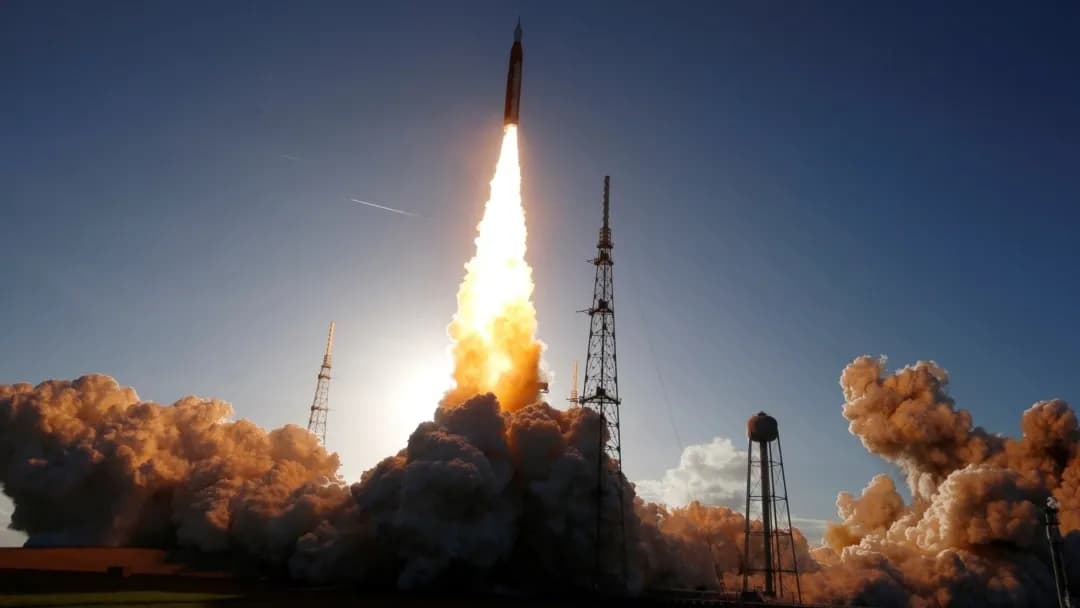
Artemis 2 Launches First Crewed Moon Voyage in 52 Years
UN's Türk Slams 'Severe Restrictions' on Free Speech Across Middle East
Latest News
Park Bo Young And Lee Kwang Soo To Appear On Season 4 Finale Of 'Whenever Possible'
Park Bo Young and Lee Kwang Soo will guest on the Season 4 finale of 'Whenever Possible.'
'Bloodhounds 2' Premieres on Netflix with Woo Do Hwan, Lee Sang Yi, and Rain
Bloodhounds Season 2 premiered on Netflix on April 3.
DJI Avata 360 Review: Setting a New Standard for 360-Degree Drones
DJI Avata 360 combines cinewhoop FPV design with dual 64MP sensors for 8K 360-degree video.
Breaking: Mark Parts Ways with NCT and SM Entertainment After 10 Years
Mark will end his exclusive contract with SM Entertainment on April 8.
Zhang Hao, Ricky, Kim Gyu Vin, Han Yu Jin & Yoo Seung Eon Confirmed as AND2BLE
AND2BLE confirmed as 5-member group debuting in May 2026.

ABS Challenge System: How Well Did Players Optimize in Week One?
In MLB's first week of ABS Challenges, 2-2 count usage was solid, but 0-0 challenges were too frequent.

Royals Prospect Jensen Scratched After Oversleeping, Vows to 'Set a Million Alarms'
Royals top prospect Jensen was scratched from the lineup after oversleeping before a day game.
MLB 2026 Prospect Tracker: No. 1 Konnor Griffin Called Up After Just 5 Triple-A Games
No. 1 prospect Konnor Griffin was called up after just 5 Triple-A games.